

Advanced LED Display Technology: Innovations, Specifications, and Industry Standards
The LED display industry has undergone remarkable advancements in recent years, driven by increased demand for high-resolution visuals, energy efficiency, and versatile applications. As an experienced LED display engineer, I aim to provide an authoritative and comprehensive overview of the current state of LED LCD screen manufacturing, highlighting key technical specifications, industry standards, innovations, and practical applications relevant to professionals across the globe.
Introduction
LED displays, incorporating Light Emitting Diodes as the primary light source, have become the benchmark for digital signage, broadcast screens, consumer electronics, and industrial monitors. The integration of LED technology with LCD panels (LED LCD) enables a balance of superior brightness, color accuracy, and energy efficiency, advancing the visual experience in both indoor and outdoor settings. Understanding the underlying technology, manufacturing processes, and compliance with global standards is crucial for engineers, designers, and manufacturers in delivering optimal LED display solutions.
Main Body
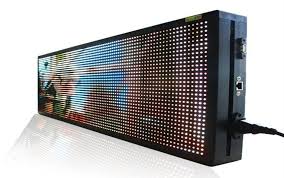
1. Fundamental Technology and Structure
Modern LED displays leverage thousands to millions of tiny LEDs arranged in pixels. These LEDs emit light directly or serve as backlights for LCD panels. Key variants include:
- Direct View LED (DVLED): Uses individual LEDs as pixels, known for exceptional brightness and contrast, suited for large-scale outdoor displays.
- LED-backlit LCD: Uses LED arrays as backlighting sources behind LCD panels, providing thinner designs and improved energy consumption over traditional CCFL backlights.
Technical parameters that define LED display performance include:
- Pixel Pitch: The physical distance between LED centers, measured in millimeters (mm). Smaller pixel pitches (e.g., 0.9mm - 2.5mm) correspond to higher resolutions ideal for close-proximity viewing.
- Brightness: Measured in nits (cd/m²), typical indoor displays range 800-1500 nits, while outdoor display brightness can exceed 5000 nits for sunlight visibility.
- Refresh Rate: Influences image smoothness, with advanced LED displays featuring refresh rates from 1920 Hz to over 3840 Hz to minimize flicker, essential for broadcast applications.
- Color Gamut & Calibration: High-end LED displays achieve NTSC color gamut coverage exceeding 90% with 14-bit color processing for seamless gradation and accurate reproduction.
2. Industry Standards and Compliance
Adhering to international standards ensures reliability, interoperability, and safety of LED display products:
- IEC 62368-1: Specifies safety requirements for audio/video and information technology equipment, including LED displays, ensuring protection against electrical hazards.
- IP Rating (Ingress Protection): Defines environmental resistance levels, e.g., IP65 or above is mandatory for outdoor modules protecting against dust and water ingress.
- RoHS and REACH: Compliance with restrictions on hazardous substances ensures eco-friendly manufacturing and aligns with global regulatory demands.
- UL Certification: Addresses product safety and electromagnetic compatibility, critical for indoor and outdoor display installations.
3. Innovations and Manufacturing Techniques
The LED industry continuously pushes the envelope to improve pixel density and form factors:
- Mini and Micro LEDs: Mini LEDs (about 100-200 micrometers) and Micro LEDs (less than 100 micrometers) bring dramatic improvements in contrast ratio (>1,000,000:1), power efficiency, and lifespans, challenging OLED technology in premium displays.
- Flexible LED Panels: Using bendable substrates, manufacturers now enable curved and foldable displays, expanding design possibilities for automotive, wearable, and architectural applications.
- Automated Pick-and-Place and Soldering: Robotics and AI-driven quality inspection have optimized yield and reduced defect rates, critical for high-volume manufacturing.
4. Practical Applications and Market Trends
LED displays are prevalent in diverse sectors:
- Outdoor Advertising: Large-format DVLED screens offer unparalleled visibility in varying weather and lighting conditions, with pixel pitches optimized for viewing distances between 5m to over 50m.
- Broadcast and Control Rooms: High refresh rate and color accuracy are essential to meet the stringent requirements of TV studios and security monitoring centers.
- Consumer Electronics: The rise of UHD and 8K displays in TVs and monitors leverages advanced LED LCD backlighting for superior image quality and energy savings.
- Automotive Display: Heads-up displays (HUDs) and digital instrument clusters increasingly adopt micro LED technologies for their superior brightness and durability.
Conclusion
As the LED display market evolves, mastering core technologies, adhering to rigorous standards, and embracing innovation are critical for maintaining competitive advantage. The continued development of high-resolution, energy-efficient, and flexible LED solutions is transforming digital displays across industries. Engineers and manufacturers must prioritize precise calibration, rugged design, and sustainable production methods to meet the growing complexity and demand of global customers. Comprehensive expertise and engineering experience remain invaluable for delivering next-generation LED displays that elevate visual communication and user engagement worldwide.













