

Advanced LED Display Technology: Engineering Excellence and Industry Insights
The LED display industry has witnessed remarkable advancements over the past decade, driven by innovations in materials, manufacturing processes, and design architectures. As an experienced LED display engineer working extensively on both LED and LCD technologies, it is essential to understand the intricate details of LED display manufacturing, which directly influence product quality, durability, and performance.
Understanding LED Display Fundamentals
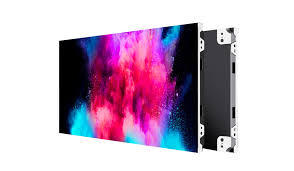
At its core, an LED (Light Emitting Diode) display consists of arrays of mono- or multi-color LEDs that emit light when current passes through them. These LEDs are typically grouped into modules, which integrate numerous diodes to create pixels. The arrangement and density of these pixels significantly determine the resolution and visual clarity of the display. For example, high-precision indoor LED displays often feature pixel pitches ranging from 0.9 mm to 2.5 mm, whereas outdoor displays might range from 4 mm to 20 mm depending on viewing distances.
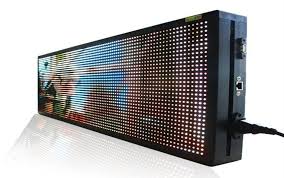
Technical Parameters and Their Impact
Key parameters that define LED display performance include pixel pitch, brightness, contrast ratio, refresh rate, and viewing angle. Brightness is crucial for outdoor applications where ambient light can exceed 5,000 nits; standard indoor LED displays operate between 800 and 1,500 nits for optimal comfort. Contrast ratio, another vital specification, typically exceeds 10,000:1 to ensure vivid color reproduction and deep blacks, a standard benchmark supported by guidelines from the Society for Information Display (SID).
The refresh rate plays a pivotal role in ensuring smooth video playback and flicker-free images. Industry-standard refresh rates of 3,840 Hz or higher are recommended, especially for LED displays used in broadcasting environments to reduce scan-line flicker on camera capture.
Manufacturing Excellence and Quality Control
Manufacturing LED displays requires meticulous precision, encompassing raw material selection, SMT (Surface Mount Technology) assembly, and rigorous testing. The use of high-quality LED chips, often from suppliers like Nichia or Cree, coupled with advanced calibration methods, results in uniform color and brightness across the entire display panel.
The integration of automated optical inspection (AOI) systems during the printed circuit board (PCB) assembly phase minimizes defects and significantly enhances yield rates. Furthermore, to ensure long-term reliability, LED modules undergo environmental testing such as thermal cycling, moisture resistance (following IEC 60068 standards), and vibration tests.
Case Studies and Industry Applications
One notable application of cutting-edge LED display engineering is seen in stadium giant screens, where Pixel pitch as low as 4mm combines with ultra-high brightness of 7,000 nits to deliver clear visuals under direct sunlight. In retail and control room environments, fine-pitch LED walls with pitches below 1.5 mm have enabled immersive viewing experiences that rival LCD video walls in terms of color accuracy and contrast, yet with better scalability and energy efficiency.
Another industry trend is the hybridization of LED and LCD technologies to leverage their respective strengths; for example, transparent LED displays integrate LED pixels on glass substrates, supporting see-through applications for retail windows without compromising display brightness.
Emerging Trends and Future Outlook
With the global demand for digital signage, smart cities, and immersive AR/VR interfaces rising, research and development are focusing on microLED technology. MicroLEDs, characterized by extremely small diode sizes (micrometer scale), promise exceptional contrast, ultra-high brightness, and energy efficiency beyond traditional LEDs and OLEDs.
Standards organizations like the International Electrotechnical Commission (IEC) and the Digital Signage Federation continue to promote best practices ensuring interoperability and sustainability in LED display manufacturing. Engineers must also consider regulations related to electromagnetic compatibility (EMC) and electrical safety (IEC 60950-1/IEC 62368-1) when designing products for diverse global markets.
Conclusion
Mastery of LED display manufacturing requires a comprehensive understanding of technical specifications, manufacturing protocols, and industry standards. Through adherence to stringent quality control measures and embracing innovation such as fine-pitch and microLED technologies, manufacturers can produce LED displays that deliver superior performance across a variety of applications — ranging from outdoor billboards to immersive indoor experiences. This ensures that end-users benefit from vivid, reliable, and long-lasting visual solutions, maintaining the industry's continuous evolution at the forefront of display technology.













