

Taxi LED Screen Technology: Enhancing Urban Advertising and Passenger Experience
The integration of LED display technology into urban transportation has revolutionized the way information and advertising are delivered to both passengers and pedestrians. Among these innovations, Taxi LED screens have emerged as a dynamic platform that combines mobility, visibility, and interactivity, creating new opportunities within the digital advertising ecosystem and enhancing passenger engagement.
Taxi LED screens are specialized digital displays mounted on taxis, typically on the rooftop or rear window, designed to broadcast real-time content including advertisements, news, public service announcements, and GPS-enabled route information. These devices leverage advanced LED technology to deliver bright, high-resolution visuals even under challenging outdoor conditions, ensuring visibility both day and night.
#Technical Specifications and Design Considerations
Modern taxi LED screens use SMD (Surface Mounted Device) LEDs, which are known for their compactness, energy efficiency, and superior color uniformity. Typical pixel pitches range from 3mm to 10mm, determining the resolution and viewing distance—3mm pitches suit close-up urban environments, while larger pitches work for longer visibility distances.
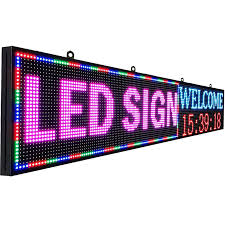
Standard taxi LED displays measure approximately 1m x 0.5m for rear windows or rooftop panels around 1.2m x 0.6m to maintain aerodynamic stability. Brightness levels usually exceed 5,000 nits (cd/m²) to guarantee readability under direct sunlight, conforming to IEC 60598-1 standards for outdoor lighting fixtures to ensure safety and durability.
To withstand the rigors of city traffic, these displays boast IP65-rated enclosures, offering protection against dust and low-pressure water jets, critical for longevity and reliability. Additionally, robust thermal management systems, including aluminum backing plates and active cooling fans, prevent LED overheating during prolonged operation.
#Connectivity and Content Management
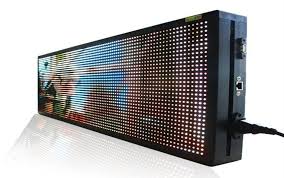
The backbone of effective taxi LED screen deployment lies in seamless connectivity and versatile content management. Utilizing 4G/5G network modems, these screens receive and refresh content remotely via cloud-based platforms. This enables advertisers to push live updates, deliver location-based ads, and schedule campaigns that adjust dynamically based on time, weather, or traffic conditions.
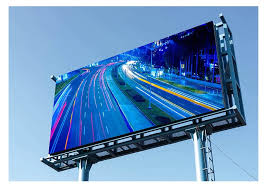
AI-powered content optimization tools analyze passenger demographics and environmental data, tweaking advertisements to maximize engagement. For instance, ads shown during rush hours differ from midday slots to better suit target audiences.
#Case Study: Successful Implementation in Singapore
Singapore’s Land Transport Authority rolled out a pilot program equipping 500 taxis with LED digital signage panels in 2023. The initiative grew from urban smart city goals, aiming to enhance public communication and boost advertising revenues for cab operators. Reports indicate a 30% increase in passenger interaction with displayed content and a significant uplift in local business ad revenues.
The program adhered strictly to ISO 9241-307 (Display Colour Performance) standards to ensure high legibility and minimal driver distraction, underlining the importance of user safety in public transportation digital signage.
#Benefits and Industry Impact
The benefits of Taxi LED screens are multifold:
1. Enhanced Advertising Reach: Mobility allows advertisers to access diverse urban sectors, improving ROI compared to static billboard installations.
2. Interactive Passenger Experience: Integrated QR codes and NFC capabilities enable passengers to engage instantly with advertised services.
3. Real-time Communication: Authorities can broadcast urgent alerts or transit updates efficiently.
4. Sustainability: Energy-efficient LEDs combined with solar-powered auxiliary units reduce environmental footprints.
From an engineering perspective, the challenge remains balancing brightness, durability, and power consumption while adhering to regulatory frameworks such as city ordinances on digital signage brightness and driver visibility requirements.
#Future Trends and Innovations
Looking ahead, taxi LED screen technology is evolving through incorporation of mini-LED and micro-LED technologies, advancing display contrast and power efficiency. The advent of AI-driven targeted advertising and augmented reality (AR) overlays presents exciting prospects for immersive passenger experiences.
Moreover, integration with Intelligent Transportation Systems (ITS) will enable dynamic data exchange, facilitating adaptive displays that respond to traffic conditions or personalized passenger preferences.
#Conclusion
Taxi LED screens represent a convergence of cutting-edge LED display engineering and urban mobility solutions. By delivering high-brightness, reliable, and contextually relevant content, they redefine the landscape of urban advertising and in-transit communication. Continuous innovation aligned with stringent industry standards ensures these digital displays meet performance, safety, and environmental criteria essential for sustainable deployment in modern cities worldwide.













