

Advanced LED LCD Screen Manufacturing: Techniques, Standards, and Industry Insights
In the dynamic landscape of display technology, LED LCD screens have emerged as a dominant force due to their superior brightness, energy efficiency, and versatility across applications ranging from consumer electronics to large-scale digital signage. As a seasoned LED display engineer with extensive experience in LED LCD manufacturing processes, this article delves into the technical intricacies, manufacturing standards, and industry best practices that define state-of-the-art LED LCD screen production.
Understanding LED LCD Technology
LED LCD screens use a liquid crystal display panel illuminated by an array of light-emitting diodes (LEDs). Unlike traditional cold cathode fluorescent lamp (CCFL) backlights, LEDs provide enhanced color accuracy, higher contrast ratios, and better power consumption characteristics. Typical LED backlighting methods include edge-lit and direct-lit configurations, each impacting the display’s thickness, uniformity, and cost.
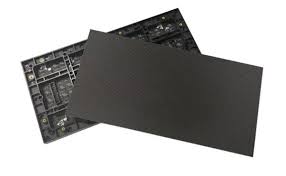
Key technical parameters in LED LCD manufacturing include:
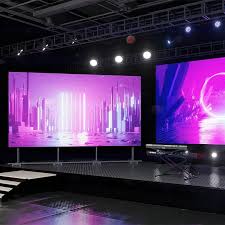
- Brightness: Measured in nits (cd/m²), consumer displays range typically from 250 to 500 nits, whereas professional-grade screens for outdoor signage often exceed 1000 nits.
- Contrast ratio: Indicates the ratio between the luminance of the brightest white and the darkest black achievable, with high-end LED LCDs reaching above 5000:1.
- Color gamut: Modern displays aim to cover wide color spaces such as Adobe RGB or DCI-P3, enhancing visual fidelity for critical color applications.
- Refresh rate: Typically 60Hz for most LCDs, but gaming and professional monitors can support 120Hz or higher.
Manufacturing Process Highlights
1. Panel Fabrication: This begins with the creation of the LCD glass substrate, requiring ultra-cleanroom environments (Class 10 or better) to prevent particle contamination that can cause pixel defects.
2. Backlight Module Assembly: The LED backlight is integrated behind or along the edges of the LCD panel. For direct-lit models, uniform LED placement, thermal management, and proper diffuser layers ensure uniform brightness without hotspots.
3. Liquid Crystal Alignment: The orientation of liquid crystal molecules is controlled via alignment layers and precise voltage application, enabling accurate pixel-level modulation of light.
4. Module Testing: Each assembled screen undergoes rigorous testing per ISO 9241-307 standards for display pixel defect classification, alongside measurements of luminance uniformity, color accuracy (using spectroradiometers), and electrical performance parameters.
Industry Standards and Quality Control
Adherence to industry norms is critical in ensuring display reliability and long-term performance. Standards from organizations such as the International Electrotechnical Commission (IEC 62676 for display system performance) and the Video Electronics Standards Association (VESA) guide product specifications and testing methodologies.
To guarantee durability, LED LCD manufacturers apply rigorous accelerated life tests, including thermal cycling (-20°C to 70°C), humidity exposure (85% RH), and UV resistance evaluations in line with JEDEC standards. These tests ensure panels maintain visual performance across typical and harsh operational environments.
Innovation Trends and Challenges
The integration of Mini-LED and Micro-LED technologies into LCD systems is trending, enhancing local dimming capabilities to approach OLED-like contrast levels while preserving LCD benefits like low burn-in risk and cost-effectiveness. Furthermore, the push for higher refresh rates and HDR support compels refinements in driving electronics and panel materials.
However, challenges persist: managing thermal dissipation in densely packed LED arrays, reducing power consumption in large-size displays, and improving viewing angles through advanced optical engineering remain active R&D areas.
Case Studies
In large public information displays, adopting direct-lit LED backlighting combined with a 10-bit color depth panel significantly improved visibility under sunlight, elevating the brightness beyond 1200 nits while maintaining energy efficiency within 25 W/m².
In the consumer electronics sector, integrating quantum dot layers into the LCD stack enhanced color gamut coverage to 99% of DCI-P3, receiving certification under DisplayHDR 1000 standards, thereby offering cinematic-level image quality.
Conclusion
Expertise in LED LCD screen manufacturing integrates a confluence of materials science, precision engineering, and rigorous quality assurance. Adhering to established international standards while innovating with emerging technologies positions manufacturers to produce displays that satisfy both current market demands and future challenges. Practitioners should maintain a vigilant focus on thermal management, optical uniformity, and compliance testing to uphold industry authority and credibility.
As LED LCD technology evolves, continuous investment in research and quality infrastructure will remain pivotal in delivering reliable, high-performance displays in diverse applications worldwide.













