

Frameless Monitor Technology: Advancements, Benefits, and Industry Applications
The evolution of display technology has significantly transformed how users interact with digital content, with frameless monitors standing out as a pinnacle of modern design and engineering. This article delves into the technical intricacies, manufacturing processes, and practical advantages of frameless monitors, while providing insights grounded in industry standards and recent advancements.
Frameless monitors, also known as borderless or bezel-less monitors, are characterized by extremely thin or virtually nonexistent borders around the LCD or LED display panel. This design innovation not only enhances aesthetic appeal but also improves user experience through maximized screen real estate and minimized distractions.
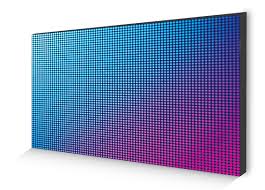
Technical Parameters and Construction
At the core of frameless monitor construction is the meticulous integration of the liquid crystal display (LCD) or light-emitting diode (LED) panel with advanced front glass and electronic components. The typical bezel width of frameless monitors has been reduced to as low as 1–2 millimeters, compared to traditional monitors that sport bezels of 10 millimeters or more.
The manufacturing process involves precision engineering steps:
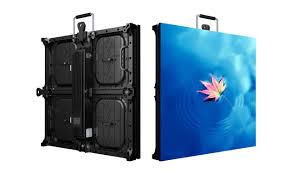
- Edge Sealing: Utilizing high-clarity optical adhesives, the display edges are sealed with minimal gap, preventing dust ingress and maintaining structural integrity.
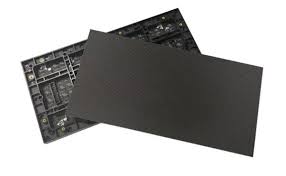
- Advanced bonding technology: Technologies like In-Cell and On-Cell touch integration allow the touch sensor to be built directly within or on top of the LCD panel, reducing thickness and enabling a uniform surface up to the edge.
- Anti-reflective coatings: Nanostructured coatings diminish glare and enhance contrast, crucial in frameless designs where screen borders are minimal.
- Panel alignment and calibration: Precision aligning tools ensure that the LCD module aligns perfectly with the cover glass, preventing light leakage or uneven illumination.
Industry standards such as the Video Electronics Standards Association (VESA) DisplayHDR certifications are commonly upheld to guarantee consistent image quality. Frameless monitors today often feature HDR10 or DisplayHDR 400 certification, providing wide color gamuts (DCI-P3 coverage up to 90%) and brightness up to 400 nits. These specifications ensure vivid images with deep contrast, essential for professional creative work.
Benefits and Use Cases
One of the most palpable benefits of frameless monitors is the enhanced immersion factor. By virtually eliminating the borders, multitasking across multiple displays becomes seamless, as visual disruptions caused by bezels are significantly reduced. This is particularly beneficial in financial trading floors, command and control centers, and video editing suites, where multiple screens operate in concert.
Additionally, frameless designs contribute to ergonomic workspace arrangements. Monitors can be placed side by side with minimal gap, creating a continuous visual canvas that alleviates eye strain associated with bezel interruptions. Surveys within corporate environments have shown a measurable improvement in user satisfaction and productivity when transitioning to frameless monitors.
From a manufacturing perspective, the rise of frameless monitors has prompted innovation in materials, such as the adoption of chemically strengthened ultra-thin glass with high resistance to scratches and impacts (e.g., Corning Gorilla Glass enhancements). These materials ensure durability without sacrificing the slim profile.
Current Market Trends and Challenges
As of 2024, the demand for frameless monitors continues to surge, driven by sectors such as gaming, professional content creation, and enterprise IT solutions. Many manufacturers are adopting OLED (Organic Light Emitting Diode) technology alongside LCD IPS panels to achieve even thinner profiles and more vibrant colors, without limitations of backlight bleeding common in traditional LCDs. For instance, OLED monitors achieve true blacks and higher contrast ratios well beyond 1,000,000:1 compared to LCD’s approximate 1,000:1.
However, challenges persist including:
- Manufacturing costs: The precision and material quality required for frameless monitors elevate production expenses compared to traditional designs.
- Durability concerns: The ultra-thin borders and glass edges necessitate robust casing design to prevent damage from impacts.
- Thermal management: Reduced bezel areas limit ventilation space, requiring sophisticated heat dissipation designs to preserve component longevity.
Conclusion
Frameless monitors epitomize the confluence of cutting-edge engineering, material science, and user-centric design philosophy. By driving forward screen-to-body ratios and enhancing visual continuity, these displays cater to both aesthetic and functional demands across industries. For manufacturers and end-users alike, understanding the balance of technical parameters, materials, and ergonomic benefits is essential to leverage the full potential of frameless monitor technology.
Industry leaders must continue innovating within the framework of recognized standards such as VESA DisplayHDR and IEC safety regulations to deliver reliable, high-performance frameless monitors that set the benchmark for future display technologies.













