

Comprehensive Analysis of Taxi Top LED Display Price and Key Factors Influencing Cost
Taxi top LED displays have become an essential advertising medium that combines visibility, mobility, and technological sophistication. For fleet operators and advertisers alike, understanding the price of taxi top LED displays is crucial in making informed purchasing decisions. This article provides an in-depth examination of the factors influencing taxi top LED display prices, typical technical specifications, and industry standards, offering valuable insights for stakeholders worldwide.
Key Technical Parameters Affecting Taxi Top LED Display Price
1. Display Size and Resolution
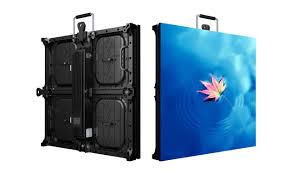
The primary determinant of cost is the display's physical dimensions and pixel density. Taxi top LED displays vary from compact sizes of 1.5 to 3 square meters to larger units exceeding 4 square meters depending on vehicle size and regulations. Higher resolution (with pixel pitches ranging from 4mm to 10mm) translates into clearer images but increases the price significantly. For example, a 2m² display with a 4mm pixel pitch could cost 30% more than a 2m² display with 10mm pitch due to more LED modules and advanced control systems.
2. Brightness and Weatherproofing
Brightness plays a vital role for outdoor visibility, with typical taxi top LED displays featuring a brightness of 5000 to 7000 nits to ensure readability under direct sunlight. Displays with enhanced brightness capabilities or automatic ambient light adjustment technologies also come at a premium. Additionally, robust IP65 or higher weatherproof ratings are essential due to constant exposure to outdoor elements, impacting both material quality and manufacturing cost.
3. Control System and Connectivity
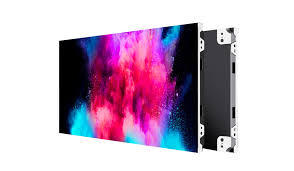
Modern taxi top LED systems are equipped with sophisticated control units enabling real-time content updates via wireless networks, including 4G/5G LTE and Wi-Fi. The inclusion of advanced media players, cloud-based content management platforms, and GPS synchronization adds both functional value and cost. Basic models may rely on USB or manual updates, reducing initial costs but limiting advertising flexibility.
4. Energy Efficiency and Power Consumption
Energy-saving LED modules, efficient power supplies, and intelligent dimming features contribute to ongoing operational cost savings. Displays optimized for minimal energy consumption typically have a higher upfront price but reduce the total cost of ownership. Industry leaders implement power-efficient drivers that lower consumption by up to 20% compared with standard models.
5. Installation and Mounting Solutions
Custom mounting brackets and vibration-resistant fixtures adapted to different taxi models can also influence price. Standardized mounts lower costs, whereas bespoke solutions tailored to specific vehicle aerodynamics increase complexity and expense, ensuring safety and minimal impact on vehicle performance.
Price Range Analysis
Based on industry data from multiple manufacturers and case studies, the price range for taxi top LED displays is generally between $1,200 to $4,500 per unit depending on the configuration:
- Basic entry-level models (low resolution, limited brightness, manual control): approximately $1,200 - $1,800
- Mid-range models (moderate resolution, better brightness, wireless control): approximately $2,000 - $3,200
- High-end models (high resolution, peak brightness, cloud connectivity, energy-efficient): approximately $3,500 - $4,500
Additional costs may include installation labor, cabling, regulatory licensing fees, and maintenance contracts which can add 10-20% to the total expenditure.
Industry Standards and Regulations
Taxi top LED displays must comply with stringent safety and advertising regulations that differ by country and city. For example:
- In the EU, compliance with the CE mark and EMC directive ensures electromagnetic compatibility without interference to vehicle electronics.
- Brightness limits may be regulated to prevent driver distraction—typically capped at 7000 nits, with dimming at night mandatory in many jurisdictions.
- Vehicle modification approvals often require adherence to local transport safety standards, affecting design and pricing.
Trends and Innovation Impacting Price
Technological advancements drive gradual price reductions while enhancing display capabilities:
- Integration of AI-driven ad scheduling and facial recognition are emerging but currently premium-priced features.
- Flexible and curved taxi top display panels allow aerodynamically optimized designs that can cost 15-25% more than flat panels.
- The adoption of micro-LED technology is nascent; prices remain substantially higher but promise superior brightness and longevity.
Conclusion
Understanding taxi top LED display price involves balancing upfront costs against long-term operational benefits, display performance, and compliance with local regulations. Buyers should carefully evaluate pixel pitch, brightness, control systems, energy efficiency, and custom mounting requirements. By choosing the right configuration aligned with campaign goals and budget, taxi operators and advertisers can maximize returns on investment in this dynamic outdoor advertising channel.
For more precise cost calculations, consulting with experienced manufacturers who can provide turnkey solutions based on specific vehicle types and advertising needs is recommended. Industry data, combined with regulatory compliance and technological innovation, define the evolving landscape of taxi top LED display pricing internationally.













