

Key Technical Insights and Applications of LED Cube Screens in Modern Display Technology
The rapid advancement of display technology has ushered in innovative formats, among which LED cube screens stand out as a breakthrough in three-dimensional visual presentations. These displays merge spatial design with dynamic content, revolutionizing the way brands, event organizers, and architects captivate audiences.
An LED cube screen, distinct from traditional planar LED displays, is a three-dimensional structure typically consisting of multiple flat LED panels assembled into cube forms. This configuration allows for 360-degree visibility, maximizing audience engagement in public spaces such as shopping malls, transportation hubs, exhibitions, and concerts. Constructed from high-quality SMD (Surface-Mounted Device) LEDs, these cubes provide vivid color reproduction, high brightness (often exceeding 5,000 nits), and exceptional viewing angles exceeding 160 degrees.
Key Technical Parameters
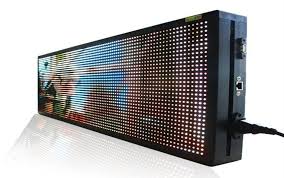
To understand LED cube screens, evaluating important technical specifications is imperative:
1. Pixel Pitch: This parameter, the center-to-center distance between adjacent LEDs, influences resolution and viewing distance. Typical pixel pitches for cubes range from 2mm in indoor models to 10mm or more for outdoor cubes, balancing cost and pixel density based on application needs.
2. Brightness and Contrast Ratio: Outdoor LED cube screens require high luminance levels (5,000 to 8,000 nits) to outshine sunlight, while indoor cubes operate comfortably around 800 to 1,500 nits. Contrast ratios of 3,000:1 or higher guarantee vivid content clarity, crucial for immersive experiences.
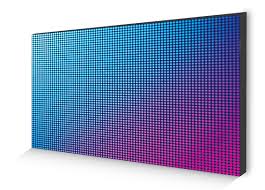
3. Refresh Rate: High refresh rates exceeding 3,840 Hz ensure flicker-free performance for dynamic video playback and smooth animations, essential for live events and photo/video shoots.
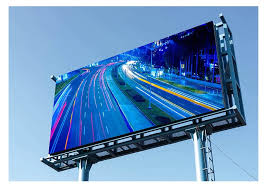
4. Modular Design: Each panel or cube face often utilizes modular construction for easy maintenance, installation, and scalability. Industry-standard cabinets with IP65 or higher ratings ensure protection against dust and water in outdoor setups.
5. Processing and Control Systems: State-of-the-art LED controllers and processors facilitate seamless synchronization between cube panels with support for real-time content updates via fiber optic or wireless networks.
Applications and Benefits
LED cube screens have carved niches in multiple sectors:
- Advertising and Retail: Their 3D structure attracts foot traffic and enhances brand visibility, delivering immersive product promotions.
- Events and Entertainment: LED cubes create stunning backdrops and interactive stages that engage viewers with dynamic visuals from all angles.
- Architectural Integration: Transparent and semi-transparent LED cube installations are used in façades to create artistic lighting effects without obstructing visibility.
- Data Visualization: Scientific exhibitions and control rooms employ these structures for multi-dimensional data representation, improving comprehension.
By leveraging 3D display capabilities, LED cubes surpass traditional banners and flat screens in capturing attention and delivering compelling visual narratives.
Industry Standards and Quality Assurance
Leading manufacturers abide by international standards such as IEC 62471 for photobiological safety and ISO 9001 for manufacturing quality. Compliance ensures durability, energy efficiency, and safety, critical for long-term public installations. Additionally, certifications like RoHS and CE guarantee environmental responsibility and user protection.
In conclusion, LED cube screens represent an innovative leap in immersive display technology. Their technical sophistication—encompassing brightness, resolution, modular system design, and reliable control mechanisms—combined with versatile applications, positions them as pivotal tools for the future of advertising, entertainment, and architectural lighting. As demand for captivating visual experiences grows, LED cube screens will continue to evolve, integrating newer technologies such as AI-driven content management and augmented reality.













