

Transport Digital Signage Outdoor: Enhancing Passenger Communication with Advanced LED Display Technology
In the evolving landscape of public transportation, outdoor digital signage has become a pivotal tool for real-time communication, passenger information, and operational efficiency. Transport digital signage outdoor solutions, primarily utilizing advanced LED display technology, play a critical role in enhancing visibility, durability, and interactivity, ultimately improving the commuter experience.
Technical Overview and Industry Standards
Outdoor transport digital signage predominantly employs high-brightness LED modules with pixel pitches ranging from 2.5mm to 10mm, depending on the viewing distance and application requirements. For bus stops, train stations, and airports, displays typically feature a brightness level of 5,000 to 7,000 nits to ensure legibility under direct sunlight conditions. According to the International Electrotechnical Commission (IEC 62471) standard, these displays must also comply with photobiological safety norms to protect viewers from harmful light exposure.
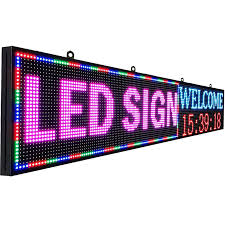
The use of IP65 or higher rated enclosures guarantees protection against dust and water ingress, crucial for outdoor installations exposed to adverse weather conditions. Robust materials such as powder-coated aluminum frames and tempered glass with anti-reflective coatings increase longevity and contribute to maintenance cost reduction.
Display Specifications and Operational Benefits
Key parameters defining outdoor transport digital signage include resolution, refresh rate, contrast ratio, and viewing angles. High refresh rates of 3,840 Hz or higher are essential in reducing flicker and ensuring the clarity of dynamic content, especially for video announcements and emergency alerts. Wide viewing angles up to 160° horizontally and vertically are crucial in busy transit hubs where information must be accessible from multiple directions.
The contrast ratio in LED screens, typically exceeding 3,000:1, ensures sharp text and vibrant colors, essential for conveying critical schedule changes and safety instructions. Integration with IoT and transport management systems enables real-time updates on delays, route changes, and environmental conditions.
Case Studies and Real-World Applications
Globally, several transit authorities have successfully implemented outdoor LED signage to streamline operations and enhance user satisfaction. For instance, Transport for London (TfL) incorporated high-definition LED displays with automated content management systems across key stations, resulting in a 25% reduction in passenger queries and improved crowd flow during peak hours.
Similarly, the Singapore Land Transport Authority (LTA) deployed outdoor digital panels equipped with interactive touch capabilities and multilingual support, facilitating seamless communication in a multicultural environment. These displays adapted dynamically to daylight conditions by using ambient light sensors, optimizing brightness and power consumption.
Installation and Maintenance Considerations
When deploying outdoor transport digital signage, engineers prioritize factors such as thermal management, power consumption, and mounting structures. LED modules generate significant heat; therefore, an efficient cooling system—combining heat sinks, ventilated enclosures, and sometimes active cooling fans—is implemented to maintain operational stability.
From a power perspective, many transport authorities opt for energy-efficient drivers and utilize solar power supplementation where feasible, aligning with sustainability goals. Mounting solutions typically involve corrosion-resistant brackets with anti-vibration features to withstand high winds and urban traffic vibrations.
Routine maintenance involves modular replacement of LED panels to minimize downtime. Many manufacturers now offer remote diagnostics and cloud-based monitoring platforms for proactive troubleshooting, reducing the workload on onsite technicians.
Future Trends and Innovations
The integration of AI-powered content management and augmented reality displays stands at the forefront of transport digital signage development. Predictive analytics help optimize passenger flow by adjusting displayed information based on real-time crowd density data. Moreover, developments in micro-LED technology promise even higher pixel densities and lower power consumption, beneficial for compact outdoor signs with high-resolution requirements.
The adoption of open standards like DVB-T2 for broadcasting transport-related information ensures compatibility and interoperability across different systems and geographic regions.
Conclusion
Transport digital signage outdoor solutions leveraging advanced LED display technology are indispensable in modern urban transit environments. Their ability to deliver clear, real-time, and multichannel information improves passenger satisfaction, safety, and operational efficiency. Adherence to industry technical standards, environmentally robust design, and integration with intelligent transport systems underline the effectiveness of these installations. As the technology evolves, the synergy between hardware performance and intelligent software solutions will further revolutionize outdoor transit communication.
References:
- IEC 62471: Photobiological safety of lamps and lamp systems, International Electrotechnical Commission
- Transport for London Digital Display Implementation Report, TfL (2022)
- Singapore Land Transport Authority Annual Smart Transport Report (2023)
- "LED Displays for Outdoor Signage," Journal of Display Technology, IEEE (2024)
- AR/AI Innovations in Public Transport Digital Signage, Intelligent Transport Systems Journal, 2024













