

Advanced Technologies and Engineering Principles in LED Display Manufacturing
The LED display industry has witnessed remarkable growth driven by technological innovations, evolving market demands, and enhanced engineering practices. As a professional LED display engineer with extensive experience in design, manufacturing, and quality assurance, I am positioned to provide a comprehensive overview of the critical technologies and engineering principles shaping modern LED LCD screen fabrication. This article deeply explores LED display architectures, key technical parameters, production processes, and quality testing, aligned with the latest industry standards including IEC 62087 for video performance measurement and ISO 9001:2015 for quality management.
Fundamentals of LED Display Technology
An LED (Light Emitting Diode) display operates by arranging thousands to millions of individual diodes that emit light in response to electrical signals. Unlike traditional LCDs which use backlighting, LED displays can be broadly categorized into two types:
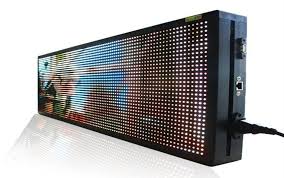
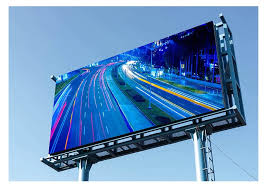
- Direct-View LED Displays: These utilize LEDs that directly emit light visible to the viewer. They include large-sized digital billboards, stadium screens, and indoor/outdoor signage.
- LED-Backlit LCD Displays: These combine LED backlights with an LCD panel to provide better brightness, contrast, and energy efficiency compared to older CCFL backlighting.
Pixel Structure and Subpixel Configurations
Each pixel in an LED display is composed of multiple subpixels, usually red, green, and blue (RGB). Modern displays can also incorporate white, yellow, or cyan LEDs to enhance color gamut and brightness uniformity. Typical pixel pitches vary depending on application:
- Fine-pitch indoor displays: 0.7mm to 2mm pitch enables ultra-high resolution.
- Standard outdoor displays: 6mm to 20mm pitch balances visibility from longer distances and production cost.
Optimal pixel density must be balanced with manufacturing feasibility and target viewing distance, preserving image clarity and minimizing pixelation. The international guideline from the Society for Information Display (SID) suggests a minimum pixel density of around 1000 pixels per inch for visual applications under two meters viewing distance.
Material Selection
The choice of LED chips, driver ICs, and substrates critically influences reliability and performance. Gallium Nitride (GaN)-based LEDs have become standard due to their high brightness and efficiency. Printed Circuit Boards (PCBs) utilize high-temperature-resistant materials like FR4 or ceramic composites to maintain structural stability under extended thermal loads.
Encapsulation techniques with silicone gels and epoxy resins provide moisture resistance and mechanical protection. Additionally, advanced phosphor technologies are employed in white LEDs to achieve accurate color temperatures and long lifespans.
Manufacturing Workflow
The production of LED displays encompasses multiple stages:
1. Chip Production: Using epitaxial growth techniques such as Metal-Organic Chemical Vapor Deposition (MOCVD), LED wafers are fabricated with precise doping profiles.
2. Die Preparation: Post-epitaxy, wafers are diced into dies, wire-bonded to substrate pads, and tested for electrical parameters.
3. Module Assembly: Individual LEDs are placed on PCBs and interconnected via surface mount technology (SMT). Automated pick-and-place machines with optical alignment ensure pixel-level precision.
4. Panel Integration: Modules are tiled to form larger display panels, with care taken on signal integrity for high data rates and synchronized refresh.
5. Encapsulation and Housing: Protective layers and frames provide durability, water resistance (targeting IP65 or higher for outdoor applications), and heat dissipation via aluminum heat sinks or forced air cooling.
Technical Parameters and Performance Metrics
Key technical parameters define LED display quality:
- Brightness: Indoor displays typically range from 600 to 1500 nits, whereas outdoor displays exceed 5000 nits to combat sunlight glare.
- Contrast Ratio: High contrast (>3000:1) is essential for vivid images, achieved through improved LED diode efficiency and LCD layer optimization.
- Refresh Rate: Modern displays use refresh rates above 1920 Hz to eliminate flickering and support high frame-rate video content.
- Color Gamut and Accuracy: Wide color gamuts (up to 140% of sRGB) are achievable with multi-primary LED arrangements. Calibration systems such as colorimeters ensure delta E values under 2 for accurate color reproduction.
- Viewing Angle: Generally exceeds 160° horizontally and vertically, ensuring image uniformity without distortion.
Testing and Quality Assurance
To guarantee product reliability and performance consistency, manufacturers adhere to rigorous testing procedures:
- Burn-in Testing: Extended operation at elevated temperatures detects early-life failures.
- Environmental Testing: Includes humidity, salt spray, and UV exposure to assess outdoor durability.
- Electrical Testing: Checks for voltage/current stability and response times.
- Optical Testing: Measures brightness uniformity, color consistency, and flicker rates using precision photometers and spectroradiometers.
- Compliance Certifications: Products must comply with regulatory standards like CE, FCC, RoHS for safety, electromagnetic compatibility, and environmental compliance.
Industry Trends and Innovations
Emerging trends are pushing LED displays into new horizons:
- MicroLED Technology: MicroLED displays utilize microscopic LEDs to enable true self-emissive screens with unparalleled brightness, contrast, and energy efficiency, representing a future replacement for OLED and conventional LCD technologies.
- Flexible and Transparent Displays: Advances in substrate flexibility enable bendable screens for automotive, wearable, and architectural applications.
- AI-Powered Calibration: Machine learning algorithms optimize real-time color and brightness adjustments, improving display longevity and user experience.
- Sustainability: Enhanced energy-saving designs and recyclable materials reduce environmental footprint.
Case Study: High-Resolution Fine-Pitch LED Video Wall
A recent project involved manufacturing a 4K resolution indoor LED video wall with a 0.9mm pixel pitch, designed for a control room environment requiring impeccable clarity and zero latency. Utilizing Samsung's high-brightness GaN LEDs and proprietary driver ICs from Texas Instruments, the manufacturing workflow leveraged fully automated SMT lines with inline optical inspection. Color calibration was performed using SpectraCal software, achieving delta E values below 1.5 across the entire surface area.
The final product exhibited 1200 nits brightness, 5000:1 contrast ratio, and a 3840 Hz refresh rate, surpassing IEC 62087 standards. This case exemplifies how meticulous material selection, precision assembly, and stringent testing converge to produce state-of-the-art LED displays.
Conclusion
The design and manufacturing of LED displays require a thorough understanding of semiconductor physics, materials science, electrical engineering, and optics, combined with advanced production methodologies and strict compliance to international standards. Continuous R&D into LED chip structures, driving electronics, and encapsulation technologies ensures that LED displays deliver superior image quality, reliability, and energy efficiency.
As the industry progresses toward MicroLED and flexible display formats, manufacturers must maintain a delicate balance of innovation, quality control, and cost efficiency to meet the evolving demands of global consumers and commercial applications.
References
1. IEC 62087:2011 – Methods of measurement for the power consumption of audio, video, and related equipment. International Electrotechnical Commission.
2. ISO 9001:2015 – Quality management systems – Requirements. International Organization for Standardization.
3. Society for Information Display (SID) Display Measurement Standard.
4. Nakamura, S. (2016). The Roles of Structural Imperfections in InGaN-Based Blue Light-Emitting Diodes and Laser Diodes. Science.
5. Samsung Electronics Technical Whitepaper, 2023.
6. Texas Instruments LED Driver Datasheets and Application Notes, 2024.













