

LED Passenger Information Displays for Rail: Enhancing Travel Experience with Advanced Technology
In the ever-evolving landscape of rail transportation, LED passenger information displays have emerged as a pivotal technology that enhances the travel experience while improving operational efficiency. These displays, integrated into stations and onboard trains, provide real-time updates, critical safety information, and dynamic content that cater to the needs of modern railway systems worldwide.
Technological Overview and Design Standards
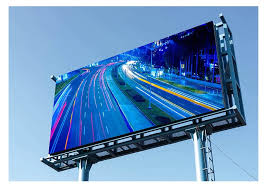
LED (Light Emitting Diode) technology is preferred for passenger information displays due to its excellent visibility, energy efficiency, and durability. According to the International Electrotechnical Commission standard IEC 62471, ensuring low photobiological risk is essential for devices installed in public spaces. Modern LED displays typically employ high-brightness SMD LEDs with pixel pitches ranging from 2.5mm to 10mm for optimal resolution and readability at various viewing distances.
The displays must comply with the EN 50155 railway application standard for electronic equipment used on rolling stock, which mandates resistance to vibrations, temperature fluctuations (-40°C to +85°C), and electromagnetic compatibility (EMC). The enclosures are constructed to meet IP54 or higher ingress protection, ensuring reliability even in harsh outdoor or tunnel environments.
Enhancing Passenger Communication
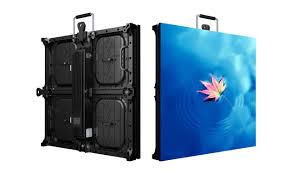
Rail networks globally are increasingly adopting LED passenger information displays to deliver multilingual, dynamic content such as:
- Train schedules and real-time arrival/departure updates
- Platform changes and delays
- Safety warnings and emergency evacuation instructions
- Advertising and promotional content
The capability to push timely updates through integrated backend systems, connected via fiber optics or wireless communication, ensures passengers receive accurate information that minimizes confusion and improves satisfaction.
Case Studies and Market Applications
For instance, the Tokyo Metro upgraded its platform display systems to high-definition LED panels with a 3mm pixel pitch, enhancing visibility in brightly lit underground stations. The displays utilize contrast ratios exceeding 3000:1 and brightness levels up to 5000 nits, allowing easy readability even under direct sunlight or station glare.
Similarly, Deutsche Bahn incorporated large-format LED displays on their Intercity Express (ICE) trains to communicate real-time route progress and safety messages, conforming to EN 45545 fire protection standards that are critical in maintaining onboard safety.
Integration and Smart Features
Modern LED passenger information displays are now equipped with sensor-based brightness adjustment, ensuring optimal visibility without causing glare or energy wastage. Some systems are integrated with Artificial Intelligence (AI) for predictive maintenance, dynamically adjusting content based on passenger flow and providing bespoke information to improve crowd management.
Open communication protocols like TCP/IP and MQTT facilitate seamless integration with centralized traffic control centers and passenger information management systems (PIMS), providing operators with centralized control to push updates efficiently.
Energy Efficiency and Sustainability
Energy consumption is a critical consideration for rail operators aiming for sustainability. LED displays consume significantly less power compared to LCD alternatives, with typical consumption ranging from 100 to 350 W/m² depending on pixel density and brightness levels. This reduces operational costs and carbon footprint, aligning with global initiatives towards greener transportation.
Future Trends and Innovations
Looking ahead, advancements in micro-LED and transparent LED display technology offer exciting opportunities to incorporate interactive panels, improve aesthetics, and enable augmented reality features, enriching passenger engagement further. Moreover, integration with smartphone apps and NFC (Near Field Communication) technology is poised to deliver personalized, accessible information directly to travelers’ devices.
In conclusion, LED passenger information displays are indispensable components of modern rail transport infrastructure. Their robust design, superior visibility, and integration capabilities contribute significantly to efficient operations and enhanced passenger experience. Rail operators and manufacturers must adhere to established standards and continuously innovate to meet the evolving demands of global rail networks.
References:
1. IEC 62471: Photobiological safety of lamps and lamp systems.
2. EN 50155: Railway applications – Electronic equipment used on rolling stock.
3. EN 45545: Fire protection on railway vehicles.
4. International Association of Public Transport (UITP) – Passenger information systems guidelines, 2022.
5. Energy Efficiency in LED Displays, U.S. Department of Energy, 2020.













