

Advanced Technologies and Best Practices in LED Display Manufacturing for Optimal Performance
In the ever-evolving landscape of display technology, LED (Light Emitting Diode) displays stand as a benchmark for vibrant visuals and energy efficiency. As global demand surges for high-definition, large-scale, and versatile display solutions, understanding the manufacturing intricacies and technical specifications of LED displays is vital for engineers, manufacturers, and integrators alike. This article elucidates the core technologies, process standards, and practical insights required to produce LED displays that offer superior performance, reliability, and visual quality.
Introduction
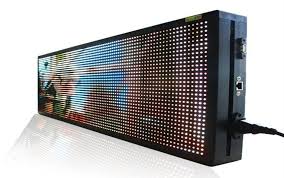
LED displays have revolutionized visual communication in sectors ranging from advertising to transportation and entertainment. Unlike traditional LCDs, LED displays utilize discrete diode units as the light source, enabling greater brightness, contrast, and flexibility. Ensuring these characteristics translates into superior user experience depends largely on the manufacturing process and the adoption of industry standards. This article offers a comprehensive examination of the contemporary manufacturing approaches, key parameters, and quality control measures instrumental in achieving LED panels with optimal performance.
Main Body
1. Key Manufacturing Technologies
The fundamental structure of an LED display involves a matrix of pixels, each composed of red, green, and blue diodes, capable of emitting light individually. Producing high-precision LED modules involves sophisticated processes:
- Surface Mount Technology (SMT): SMT is the backbone of LED mounting, allowing chips to be placed on circuit boards with micron-level precision. Automated SMT lines reduce defects and increase throughput, enabling consistent pixel pitch accuracy, often required to be within ±10 µm.
- Soldering and Encapsulation: Proper solder joint integrity is paramount for long-term reliability. Controlled reflow soldering ensures robust mechanical and electrical connections. Encapsulation with silicone or epoxy resins protects LEDs from humidity and physical damage while maintaining light transmissivity and color stability.
- Masking and Calibration: Post-assembly, each LED unit undergoes photoelectric and colorimetric calibration using spectrometers and CCD cameras. This step aligns luminous intensity and chromaticity coordinates (following CIE 1931 color space), minimizing color variation across the panel.
2. Critical Technical Parameters
Optimal LED displays balance several important parameters:
- Pixel Pitch: The distance between LED pixel centers, typically ranges from 0.9mm for indoor fine-pitch displays to over 10mm for outdoor signage. Finer pitches yield higher resolution but require advanced manufacturing precision and quality control.
- Brightness and Contrast Ratio: Brightness levels for indoor LED displays generally range between 800 to 1500 cd/m², whereas outdoor displays require up to 7000 cd/m² to overcome ambient lighting. Contrast ratios exceed 5000:1 to ensure deep blacks and vibrant colors.
- Viewing Angle: A wide viewing angle, commonly 140° horizontal and vertical, results from LED arrangement and lens design, ensuring consistent image quality even at lateral views.
- Refresh Rate and Gray Scale: Refresh rates above 1920 Hz prevent flicker in video content and camera capture scenarios. Grayscale depth of 14-bit or higher guarantees smooth color gradients and accurate image reproduction.
3. Industry Standards and Quality Assurance
Complying with international standards underpins product reliability and customer satisfaction:
- IEC 62031: Specifies safety requirements for LED modules and luminaires, ensuring electrical safety, thermal management, and environmental resilience.
- RoHS Compliance: Restricts hazardous substances such as lead and mercury in LED materials, meeting global environmental regulations.
- IP (Ingress Protection) Ratings: Outdoor LED displays demand at least IP65 rating to resist dust ingress and water jets, impacting module sealing technologies.
Quality control is multilayered, encompassing:
- Automated Optical Inspection (AOI): Detects positional and soldering defects in real-time during assembly.
- Burn-in Testing: Modules are subjected to prolonged operational periods under elevated temperatures to identify early failures and stabilize performance.
- Electromagnetic Compatibility (EMC) Testing: Ensures displays do not emit unwanted interference and are immune to external electromagnetic disturbances.
4. Emerging Trends and Innovations
Advancements in LED displays focus on miniaturization, power efficiency, and enhanced pixel architectures:
- MicroLED Technology: Integrates microscopic LEDs to deliver exceptional brightness, contrast, and lifespan, with pixel pitches sub-100 microns, although currently constrained by high production complexity.
- Hybrid Driving Circuits: Utilize advanced ICs enabling precise current control, reducing power consumption and increasing uniformity.
- Flexible and Transparent LED Displays: Employ polymer substrates and novel encapsulation for curved or see-through installations, expanding application scope.
Conclusion
The manufacturing of high-quality LED displays is an intricate process demanding precision, robust quality standards, and continuous innovation. As display technology pushes towards finer pitches and more versatile form factors, adherence to meticulous manufacturing protocols and comprehensive testing is indispensable. Engineers and manufacturers who embrace these best practices and emerging technologies will be at the forefront of delivering LED solutions that meet global market expectations for performance, durability, and visual excellence.
Adherence to industry norms like IEC standards and environmental regulations combined with advanced manufacturing techniques such as SMT, precise calibration, and stringent quality assurance measures, ensures LED displays provide optimal brightness, color fidelity, and reliability. The future of LED display manufacturing is poised to incorporate micro-scale LED technologies and innovative materials, promising richer user experiences across numerous applications worldwide.













