

Advanced Technologies and Best Practices in LED Display Manufacturing for Superior Performance
The LED display industry has witnessed remarkable advancements over the past decade, driving significant improvements in the quality, reliability, and versatility of LED and LCD screen products. As a veteran LED display engineer, I provide an authoritative and in-depth review of the current state-of-the-art manufacturing processes, critical technical parameters, and best practices that ensure optimal product performance in diverse applications ranging from outdoor advertising to indoor visualization and control rooms.
The foundation of a high-quality LED display begins with precision LED chip selection. Modern displays predominantly use Surface-Mount Device (SMD) technology with RGB LEDs encapsulated in compact packages. SMD LEDs such as SMD 2121 and 3535 offer superior brightness uniformity and viewing angles, typically up to 160° horizontal and vertical. Chip binning based on luminous intensity, chromaticity, and forward voltage is essential to ensure uniformity across large panel assemblies. Industry standards such as the Illuminating Engineering Society (IES) guidelines define measurement protocols that manufacturers should follow to guarantee consistency.
In the manufacturing process, PCB substrate quality and layout dramatically influence the thermal management and electrical stability of the LED modules. High-quality aluminum-backed PCBs with thermal conductivity of 1.2-2.0 W/mK are industry-preferred to facilitate rapid heat dissipation, which directly impacts the lifespan and stability of LEDs. Overheating can reduce LED lifespan from 100,000 hours under optimal conditions down to below 50,000 hours. Hence, adherence to IPC standards for PCB manufacturing is critical for durability.
Another key aspect is the precision mounting and soldering process. Automated pick-and-place machines with ±0.02 mm accuracy enable the correct alignment of LEDs, avoiding poor pixel mapping and color inconsistencies. Reflow soldering with nitrogen atmosphere reduces oxidation, enhancing joint reliability. Each step requires strict inline quality control to comply with ISO 9001 quality management systems, which many reputable manufacturers have adopted.
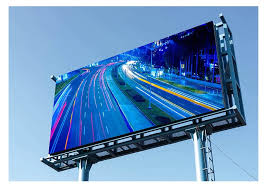
Optical design and encapsulation are equally crucial. Modern LED displays employ advanced phosphor-converted LEDs to optimize color gamut and luminous efficacy. The adoption of 6,500K daylight white LEDs with a color rendering index (CRI) above 80 enhances image realism. Moreover, uniform diffuser layers combined with precision lenses minimize hotspot effects, thus ensuring consistent brightness distribution.
Regarding electronics and driver ICs, industry benchmarks point to highly integrated constant current driver ICs that support PWM dimming at frequencies above 20 kHz, eliminating flicker and ghosting effects. Typical scanning modes—ranging from 1/4 to 1/32—are selected based on the pixel pitch and application demands, balancing power consumption and refresh rates. For ultra-fine pitch LED displays (≤1.2 mm), direct drive ICs combined with high refresh rates (≥3840 Hz) are essential to meet the demands of broadcast-grade video applications.
Environmental reliability is ensured through robust panel housing and protective coatings. Aluminum or stainless steel frame structures with precise IP65 or higher ingress protection ratings guarantee weather resistance necessary for outdoor displays. Conformal coatings on PCBs prevent moisture penetration and corrosion, extending operational stability in harsh conditions. The integration of internal fans or heat pipes further improves thermal regulation, an aspect emphasized by standards such as IEC 60529.
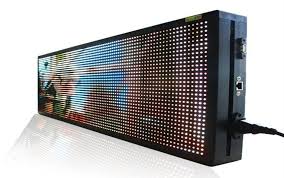
From a manufacturing perspective, lean production methodologies combined with Industry 4.0 technologies such as real-time process monitoring and data analytics enable defect minimization and yield improvement. Case studies from leading manufacturers demonstrate the effectiveness of implementing AI-powered optical inspection and automated laser cleaning to control particulate contamination and defective pixel rates under 0.1%.
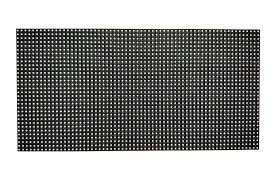
Finally, post-manufacture calibration and quality assurance remain the pillars of delivering premium LED displays. Calibration techniques include both hardware-based adjustments using colorimeters and software-level algorithms to compensate for non-linearity in brightness and color shifts across multiple modules. Regular re-calibration during the product lifecycle ensures sustained performance, particularly in mission-critical applications like transportation hubs and command centers.
In conclusion, mastering every step—from chip selection, PCB design, mounting, optical enhancements, driver IC integration, to protective measures and intelligent manufacturing—defines the success of modern LED display production. Adhering to internationally recognized standards such as IPC, ISO, IES, and IEC, and embracing continuous innovation, manufacturers can achieve displays that meet the highest expectations for brightness, color accuracy, durability, and energy efficiency. These advanced manufacturing practices not only enhance product value but also extend the operational lifespan significantly, thus offering robust solutions to fulfill the growing global demand for high-performance LED display systems.













