

Advancements and Practical Applications of Interactive LED Displays in Modern Environments
Interactive LED displays have revolutionized the way businesses and public spaces engage with audiences, combining vivid visual technology with touch-responsive interfaces. As an experienced engineer in LED display manufacturing, I have witnessed the rapid evolution of interactive LED screens, driven by advancements in display technologies and increased demand for dynamic user engagement solutions.
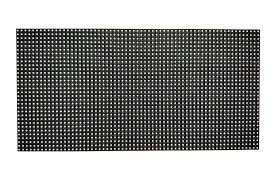
At the core of interactive LED display technology lies the integration of high-resolution LED panels with interactive capabilities, such as capacitive touch, infrared touch, or camera-based proximity sensing. These displays utilize densely packed light-emitting diodes arranged in pixel matrices, offering brightness levels typically ranging from 1,000 to 5,000 nits, ensuring visibility in various ambient lighting conditions including outdoor daylight settings. The pixel pitch, often between 1.5 mm to 4 mm for indoor displays, plays a crucial role in image clarity and touch sensitivity, balancing resolution with cost and installation logistics.
Industry standards, such as those set by the Digital Signage Federation and IEC 62368-1 for safety, govern the manufacturing and deployment of these interactive LED systems. Meeting these standards ensures operational reliability, user safety, and compliance with electromagnetic compatibility requirements, which is particularly critical in high-traffic public installations. The modular design approach, where LED panels can be easily connected and configured into any size or shape, marks a significant trend in recent years, providing flexibility for creative architectural integration.
In sectors like retail, education, transportation, and entertainment, interactive LED displays serve multiple functions—wayfinding kiosks in airports, interactive product showcases in stores, or immersive learning walls in classrooms. For example, a retail environment might employ a multi-touch LED video wall with a 3 mm pixel pitch and 2,500 nits brightness to allow customers to interact with product catalogs or promotional content seamlessly. The touch technology used ensures responsiveness and durability, often rated for over 50 million touches without degradation, crucial for maintaining performance under continuous use.
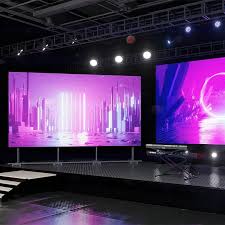
An exciting development is the incorporation of AI and sensor fusion techniques, allowing interactive LED displays to adapt content based on audience demographics or environmental conditions automatically. Such systems can dynamically adjust brightness, contrast, and themes, increasing user engagement while optimizing energy consumption—an important consideration given the rising focus on sustainability in electronics manufacturing. Advanced control systems support remote management and diagnostics, minimizing on-site maintenance and enhancing uptime.
When selecting an interactive LED display, it is essential to consider parameters such as contrast ratio (commonly exceeding 5,000:1 for vibrant visuals), refresh rate (typically 1,920 Hz or higher to prevent flicker and ensure smooth motion), and color gamut (covering more than 90% of Rec. 709 for rich color reproduction). Connectivity options, including HDMI, USB, Ethernet, and wireless standards like Wi-Fi or Bluetooth, enable integration with interactive platforms and content management systems.
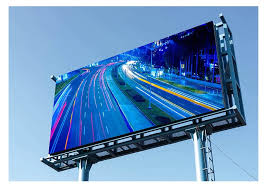
Installation environments also dictate technical requirements: outdoor interactive LED displays require IP65 or higher ingress protection ratings to withstand weather exposure, whereas indoor units prioritize aesthetics and minimal heat dissipation, often incorporating efficient thermal management solutions such as passive cooling or built-in heat sinks. LED manufacturers frequently provide tailored firmware updates to optimize performance over the product lifecycle, ensuring compatibility with evolving software ecosystems.
Looking ahead, the convergence of micro-LED technology and enhanced touch feedback systems promises to elevate interactive LED displays to new levels of precision, energy efficiency, and design flexibility. Micro-LED offers superior pixel density and brightness with ultra-low power consumption, addressing current limitations in fine pixel pitch LED screens. This aligns with global trends favoring smarter, more sustainable digital signage solutions in public and commercial spaces.
In summary, interactive LED displays exemplify a synthesis of cutting-edge optoelectronics, advanced user interface design, and robust industrial engineering. Their growing prevalence reflects a shift towards immersive, user-centric digital experiences across multiple sectors worldwide. Manufacturers and integrators must focus on quality standards, technological innovation, and customization to meet the diverse needs of this expanding market. By understanding the key technical parameters and industry-driven best practices, stakeholders can deploy interactive LED solutions that not only captivate audiences but also deliver lasting operational value.













