

Advancements and Best Practices in LED Display Manufacturing for Superior Performance
LED display technology has rapidly evolved over the past decade, becoming integral in various applications ranging from digital signage and advertising to industrial monitoring and entertainment. As a professional LED display engineer with extensive experience in manufacturing processes, this article explores the technical advancements, manufacturing best practices, and industry standards that define superior LED LCD screen production today. Understanding these factors is critical to delivering displays with optimal performance, longevity, and visual quality on an international scale.
Introduction
LED (Light Emitting Diode) displays offer numerous benefits including high brightness, energy efficiency, and exceptional durability. However, achieving peak performance and reliability in LED LCD manufacturing demands meticulous control over material selection, assembly, calibration, and testing processes. With a growing global demand for high-resolution, high-contrast displays suitable for both indoor and outdoor use, manufacturers must integrate cutting-edge technologies and adhere to stringent quality standards to remain competitive.
Main Body
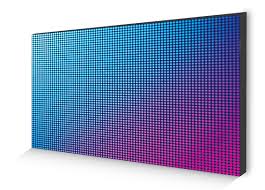
1. Materials and Components
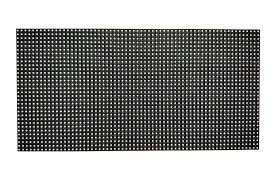
The foundational elements of an LED display include the substrate, LED chips, driver ICs, and protective encapsulation. High-grade semiconductor wafers such as Gallium Nitride (GaN) are widely employed for blue and green LEDs due to their superior efficiency and longevity. The choice of substrates—typically FR4 for indoor panels and high TG (glass transition temperature) materials for outdoor units—affects thermal management and mechanical stability.
Driver ICs specify the current regulation for individual LEDs, with modern chips supporting features such as PWM (Pulse Width Modulation) dimming and multi-bit grayscale control. According to the JEDEC standards (e.g., JESD22 series for electronic component reliability), components must undergo rigorous thermal and mechanical stress testing to ensure durability.
2. Manufacturing Processes
Precision in assembly is paramount. SMD (Surface-Mounted Device) technology dominates LED panel fabrication, allowing for compact pixel pitches as fine as 0.9mm, critical for 4K and higher-resolution screens. Automated pick-and-place machines with optical inspection ensure pixel placement accuracy within micrometer tolerances.
Encapsulation with UV-resistant silicone or epoxy materials not only protects LEDs from environmental degradation but also optimizes light extraction efficiency. The industry's leading manufacturers employ a controlled lamination process to prevent air bubbles, which can affect display uniformity.
3. Calibration and Quality Control
Post-assembly calibration is essential for uniform brightness and color accuracy. Sophisticated colorimeters combined with software algorithms enable fine-tuning of each pixel's brightness and chromaticity, ensuring compliance with standards such as Rec.709 (for HDTV) and DCI-P3 (digital cinema). Brightness levels for indoor LED screens typically range from 800 to 1500 nits, whereas outdoor displays require upwards of 5000 nits to combat sunlight glare.
Thermal characterization and management directly impact lifespan. Integrating copper heat sinks and fan-based or liquid cooling solutions can maintain the junction temperature below 85°C, as recommended by semiconductor manufacturers, thereby preventing color shifts and premature failures.
4. Industry Standards and Certification
Compliance with international certifications such as CE, RoHS (Restriction of Hazardous Substances), and UL ensures environmental safety and product reliability. Additionally, adherence to ISO 9001 quality management systems promotes consistency in manufacturing output.
Case studies from leading market players, like Samsung and Leyard, demonstrate the integration of AI-driven quality inspection and adaptive refresh rate technology to enhance panel performance under dynamic environmental conditions.
5. Future Trends
Emerging trends include Micro LED technology, promising higher brightness, lower power consumption, and better contrast ratios. Furthermore, the shift towards flexible and transparent LED displays opens new applications in wearable devices and architectural design.
Conclusion
Manufacturing high-performance LED LCD screens necessitates a deep understanding of semiconductor physics, rigorous process control, and continuous innovation. By leveraging advanced materials, precise assembly techniques, thorough calibration, and compliance with global standards, manufacturers can deliver displays that meet the demanding requirements of contemporary applications worldwide. As the industry moves toward novel technologies such as Micro LED and flexible panels, the role of skilled engineers and robust manufacturing protocols will be more critical than ever in maintaining the quality and competitiveness of LED display products.













