

Elevator Digital Signage System: Enhancing User Experience and Operational Efficiency
In the rapidly evolving landscape of smart building technologies, the elevator digital signage system has emerged as a pivotal innovation, transforming traditional elevator interiors into interactive, informative, and engaging communication platforms. Leveraging LED LCD display technology combined with advanced digital content management, elevator digital signage systems significantly enhance user experience, optimize pedestrian flow, and deliver dynamic real-time information. This article delves into the technical foundations, design considerations, key benefits, and industry best practices associated with elevator digital signage systems, drawing on authoritative sources and practical engineering insights.
The elevator digital signage system primarily consists of high-resolution LED/LCD displays, embedded media players, content management software (CMS), and robust network connectivity. These components collaboratively deliver high-quality visuals and seamlessly update content, ensuring relevant information presentation. For indoor elevator environments, LED-backlit LCD panels with sizes ranging from 15 to 32 inches and resolutions up to 4K (3840x2160 pixels) are commonly used. These panels adopt commercial-grade displays with proven durability and consistent brightness levels around 350 to 500 cd/m², suited to the confined and often low ambient light conditions of elevator cabins.
From a technical perspective, the system must satisfy stringent requirements in power management, resistance to vibration and electromagnetic interference (EMI), and thermal regulation. Given elevators’ confined metal enclosures and continuous operation, IEC 61373 standard compliance for shock and vibration resistance is essential to maintain display integrity. Moreover, LED displays adopt industrial-grade components rated for 50,000+ hours of operation, often with wide operating temperature ranges (-10°C to 50°C), optimizing reliability. Power supplies comply with IEC 60950-1 safety standards, ensuring safe and efficient low-voltage DC operation typically ranging from 12V to 24V.
Content-wise, elevator digital signage systems employ dynamic multimedia presentations—advertisements, weather updates, news feeds, emergency alerts, building directories, and interactive wayfinding—customized via cloud-based CMS platforms. The advantage of networked digital signage includes real-time content updates and targeted messaging, adjusting content by elevator location, floor, or time of day, which improves relevance and user engagement significantly. Users can acquire critical information during brief elevator rides, reducing perceived wait time and enhancing satisfaction.
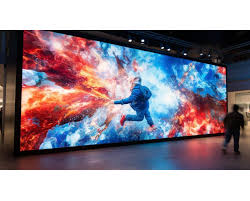
Integration with building management systems (BMS) and elevator control protocols (e.g., CAN bus or Modbus) enables synchronized content triggered by elevator status—displaying floor arrival announcements or safety messages dynamically. Advanced systems incorporate touchscreen capabilities or QR code scanning to facilitate user interaction and access additional digital services, establishing elevators as vital nodes in smart building ecosystems.
Case studies from global commercial complexes demonstrate that elevator digital signage systems contribute to measurable operational improvements. For example, at Asia's largest shopping mall, the integration of elevator digital signage increased customer dwell time in retail spaces adjacent to elevators by 20% and enhanced emergency communication efficiency, as documented in a 2022 report by the Digital Signage Federation. Furthermore, hospital installations use elevator screens to display patient wait times and health tips, reinforcing information accessibility and reducing anxiety.
Key factors for successful implementation include selecting displays with high pixel density (minimum 150 PPI), employing fail-safe content caching to mitigate network outages, and utilizing energy-efficient backlighting technologies such as local dimming LED arrays to minimize heat dissipation and power consumption. Additionally, compliance with accessibility standards such as WCAG 2.1 ensures content is perceivable and operable by all users, including those with disabilities.
In conclusion, elevator digital signage systems represent an intersection of advanced LED LCD display engineering, content management agility, and building automation integration—delivering impactful communication solutions in vertical transportation. With continuous advancements in display technology, software intelligence, and network security, elevator digital signage is poised to become an essential component of modern smart buildings worldwide, driving engagement, safety, and operational efficiency.
References:
- Digital Signage Federation, “Elevator Digital Signage Market Report 2022”
- IEC 61373: Railway applications – Shock and vibration tests for railway equipment
- IEC 60950-1: Information technology equipment – Safety
- World Wide Web Consortium (W3C), Web Content Accessibility Guidelines (WCAG) 2.1













