

Comprehensive Guide to LED LCD Display Manufacturing: Technologies, Parameters, and Industry Best Practices
The LED LCD display industry has witnessed transformative advancements over the past decades, driven by innovations in semiconductor materials, fabrication technologies, and consumer demand for higher image fidelity, energy efficiency, and durability. As an experienced LED display engineer with extensive expertise in LED and LCD manufacturing, this article provides an authoritative, technical, yet practical insight into the core aspects governing LED LCD screen production, backed by industry data, standards, and real-world case studies.
1. Introduction to LED LCD Displays
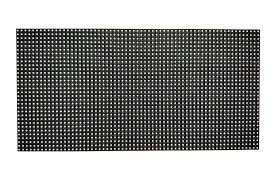
LED LCD displays combine two principal technologies: light-emitting diodes (LEDs) for backlighting or direct pixel illumination, and liquid crystal display (LCD) panels as the core imaging device. Unlike self-emissive OLED or MicroLED technologies, LED LCDs rely on a liquid crystal matrix modulating the light emitted from an array of LEDs.
The primary advantage of LED LCD technology lies in improved brightness control, slim form factors, and energy efficiency, which makes them highly suitable for consumer TVs, monitors, digital signage, and industrial applications.
2. Types of LED Backlighting in LCDs
Understanding the backlighting mechanism is critical:
- Edge-lit LED LCDs: LEDs are placed along the edges of the display panel. Light guide plates uniformly distribute light. This approach reduces thickness but may suffer from uneven brightness and color shifting at wide viewing angles.
- Direct-lit LED LCDs: LEDs are positioned behind the LCD panel in a matrix. This enables local dimming—dynamic control of different screen zones to improve contrast and black levels. Finer control is achieved in full-array local dimming (FALD) where multiple dimming zones exist.
- Mini-LED Backlights: The industry is increasingly adopting mini-LEDs—smaller, densely packed LEDs (~100–200 μm size)—enabling thousands of dimming zones with ultra-high dynamic range. For example, Samsung’s Neo QLED line leverages over 2,500 mini-LEDs for superior HDR performance.
3. Key Manufacturing Parameters for LED LCDs
- Pixel Pitch: Typical pixel pitch ranges between 0.25 mm to 0.5 mm for consumer-grade panels. Industrial or large dynamic signage displays can have wider pitches, increasing brightness but lowering resolution.
- Contrast Ratio: Modern LED LCDs with FALD can achieve contrast ratios exceeding 1,000,000:1, which historically was an OLED domain. Contrast ratio depends on LCD panel type (IPS, VA) and backlight precision.
- Brightness: Standard LED LCD TVs range from 250 to 500 nits peak brightness. HDR-capable units reach 1000 to 2000 nits, while specialized professional displays exceed 3000 nits. According to the UHD Alliance, HDR TVs supporting at least 600 nits peak brightness provide a superior viewing experience.
- Color Gamut: Backlight LED spectrum tuning with quantum dot enhancement films (QDEF) or color filters can cover up to 90-98% of the DCI-P3 color space, with recent efforts pushing towards Rec. 2020.
- Refresh Rate and Response Time: High-end panels support 120 Hz or more, essential for gaming and immersive media with response times under 5 ms for minimal motion blur.
4. LED LCD Manufacturing Process Overview
- Substrate Preparation: The LCD manufacturing begins with glass substrates coated with indium tin oxide (ITO) electrodes. Precision photolithography defines the pixel apertures and gate lines.
- Liquid Crystal Dispersion: Liquid crystal molecules are injected into the cell and aligned mechanically or via rubbing processes on polyimide layers.
- Assembly of LED Backlight Unit: LEDs are mounted onto a printed circuit board (PCB), followed by integration of diffuser films, light guide plates, and optical sheets to ensure uniform backlighting.
- Quantum Dot Integration: For wide color gamut displays, a quantum dot film layer is added between the LED backlight and LCD panel to shift the LED emission spectrum, enhancing color purity and efficiency.
- Quality Control: Optical measurements including luminance uniformity, chromaticity, and defect inspection are critical before packaging.
5. Challenges and Solutions in LED LCD Manufacturing
- Thermal Management: LEDs and LCD panels generate heat that can degrade image quality and component lifespan. Innovative heat sinking and thermally conductive materials are essential. For instance, graphene-enhanced substrates have shown improved thermal conductivity.
- Light Leakage and Blooming: Local dimming zones can cause halo artifacts, especially in high-contrast scenes. Algorithms that optimize dimming zone intensity dynamically reduce these artifacts.
- Color Calibration: Factory calibration and dynamic tone mapping are employed to ensure color accuracy and consistency over the product lifecycle. Using built-in sensors and AI-based algorithms enhances real-time calibration.
6. Industry Standards and Testing Protocols
- IEC 62341: Defines LED display performance measurement methods and energy efficiency guidelines.
- ISO 9241: Documents ergonomics and visual display quality standards used for professional monitors.
- UL 8750: Governs safety for LED components, ensuring product reliability and user safety.
- HDR Standards—HDR10, Dolby Vision, HLG: Define metadata and luminance requirements to enable consistent high dynamic range presentation across devices.
7. Case Studies
- Case Study 1: Samsung Neo QLED Development
Utilizing over 2,500 mini LEDs per display and quantum dot enhancement, Samsung’s 2024 Neo QLED series achieved peak brightness over 2000 nits and contrast ratios near 1 million:1, pushing LED LCD technology close to OLED’s performance while maintaining superior longevity and burn-in resistance.
- Case Study 2: Industrial LED LCD Panels for Tactical Applications
Military-grade LED LCDs require ruggedization and ultra-high brightness (over 3000 nits) combined with anti-reflective coatings to perform in outdoor and high-ambient-light conditions. Careful thermal design and vibration resistance testing per MIL-STD standards ensure reliability.
8. Future Trends
- MicroLED Hybrid Displays: Integrating microLED modules with LCD matrices may offer hybrid emissive capabilities, combining advantages of both technologies.
- Advanced AI in Manufacturing: AI-driven defect detection, process control, and calibration streamline production and improve yield rates.
- Sustainability: Use of environmentally friendly phosphors, reduced lead content in soldering, and energy-efficient driver ICs align the industry with global eco-regulations.
Conclusion
LED LCD display manufacturing is a highly sophisticated discipline requiring deep technical knowledge, stringent quality controls, and constant innovation. By leveraging the latest LED and LCD technologies—such as mini-LED backlighting, quantum dot color enhancement, and advanced thermal solutions—manufacturers can deliver displays that meet rigorous standards for brightness, color fidelity, contrast, and durability. Adherence to industry regulations and continuous improvement in production processes ensure the delivery of high-performance, reliable LED LCD products across sectors ranging from consumer electronics to specialized industrial applications.
References:
- International Electrotechnical Commission (IEC) 62341: LED display performance standards
- UHD Alliance HDR Specification (2023)
- Samsung Electronics: Neo QLED Technical Whitepaper (2024)
- MIL-STD-810G: Environmental Engineering Considerations for Military Display Systems













