

Advanced LED Display Technologies: Engineering Excellence in LED Screen Manufacturing
In the rapidly evolving landscape of display technology, LED (Light Emitting Diode) displays have become a cornerstone in diverse fields ranging from commercial advertising to high-end consumer electronics and industrial applications. As a professional LED display engineer with extensive industry experience, this article delves into the intricate processes, key technical parameters, and industry standards that define state-of-the-art LED LCD screen manufacturing. The goal is to provide an authoritative and practical understanding of LED display technologies for an international technical audience.
Fundamentals of LED Display Technology
An LED display primarily consists of an array of tiny light-emitting diodes that serve as pixels which emit light when driven by an electric current. The core engineering challenges involve optimizing brightness, color accuracy, resolution, durability, and energy efficiency. Modern LED displays are typically classified as direct-view LED and LED-backlit LCD displays. Direct-view LED displays offer high brightness and contrast, making them ideal for outdoor and large-format installations. Conversely, LED-backlit LCDs combine LED illumination with an LCD panel, achieving high image quality with thinner form factors suited for consumer devices.
Key Technical Parameters
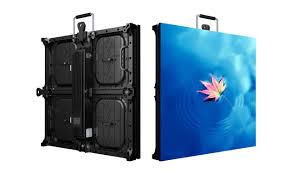
- Pixel Pitch: This is the distance between the centers of two adjacent pixels, expressed in millimeters (mm). The pixel pitch directly influences the display resolution and optimal viewing distance. For example, a pixel pitch of 1.5 mm is common in high-definition indoor displays, providing crisp images at close range. Outdoor LED screens typically employ a larger pixel pitch (e.g., 6–20 mm) to balance visibility and cost.
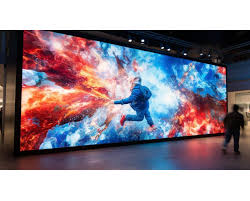
- Brightness: LED display brightness is measured in nits (cd/m²). Typical indoor LED displays operate between 500–1500 nits, while outdoor displays require 4000 nits or more to remain visible under direct sunlight. High Dynamic Range (HDR) further extends brightness levels and enhances contrast.
- Refresh Rate: Critical for reducing flicker and motion blur, the refresh rate is traditionally 60 Hz or above. High-end displays can reach up to 3840 Hz, essential for broadcasting and live events to ensure smooth motion reproduction without visual artifacts.
- Color Performance: Color gamut and color accuracy are essential, with standards such as Rec. 709 and DCI-P3 guiding color reproduction targets. Most premium LED displays offer greater than 90% coverage of the NTSC color space, ensuring vivid and accurate colors.
- Viewing Angle: Wider viewing angles minimize color shift and contrast degradation as the observer moves laterally or vertically. Modern LEDs can achieve viewing angles of 140° horizontally and vertically, critical for applications like stadiums and public signage.
Manufacturing Process and Quality Control
Manufacturing LED displays requires extreme precision during several key stages including die attachment, wire bonding, encapsulation, and modular assembly. Advanced pick-and-place machines align LED chips with micron-level accuracy to ensure uniform brightness and color consistency across the display panel.
Thermal management is another vital engineering aspect; LEDs generate heat that must be efficiently dissipated to prolong lifespan and maintain performance. Manufacturers implement heat sinks, thermal interface materials (TIMs), and active cooling in some designs. Industry-standard testing such as IEC 62717 (LED modules for general lighting – performance requirements) guides qualification of thermal and optical performance.
Industry Standards and Certifications
Compliance with international standards like IEC 62368-1 (Audio/Video, Information and Communication Technology Equipment Safety) ensures device safety. Optical performance is benchmarked by standards such as ISO 9241-307 for electronic visual displays. Energy efficiency certifications like ENERGY STAR further emphasize sustainability concerns increasingly weighted in global markets.
Recent Innovations and Challenges
Recent innovations include the integration of mini-LED and micro-LED technologies which promise even higher resolution and contrast ratios. Micro-LED screens, composed of microscopic LEDs, achieve deeper blacks and significantly reduced power consumption compared to traditional LED-backlit LCDs. However, challenges remain in mass production scalability and cost reduction.
Software enhancements such as adaptive brightness control and real-time color calibration algorithms ensure optimal performance under varying ambient light conditions, contributing to enhanced human visual comfort and extended display lifespan.
Case Study: High-Profile Outdoor LED Installation
A recent project involved installing a 10,000 square meter outdoor stadium display with a 6 mm pixel pitch and brightness of 6000 nits. This system operated reliably under harsh weather conditions with integrated IP65-rated enclosures and redundant power supplies to guarantee 24/7 uptime. The project exemplified the successful blend of advanced engineering, rigorous quality assurance, and compliance with local electrical safety codes.
Conclusion
The manufacturing of LED displays is a sophisticated discipline requiring multidisciplinary expertise spanning materials science, electronic engineering, thermal management, and software optimization. Adhering to strict industry standards and incorporating innovative technologies ensures that LED display solutions remain bright, durable, and visually stunning in an increasingly competitive market. Professionals must balance technical parameters, environmental considerations, and end-user requirements to engineer displays that define the future of visual communication.













