

Outdoor 3D LED Display: Revolutionizing Visual Experiences in Open-Air Environments
The evolution of display technology has significantly transformed the way we communicate and engage with visual content. Among the latest breakthroughs, outdoor 3D LED displays stand out as a powerful solution that combines high brightness, vivid colors, and immersive three-dimensional effects, offering unparalleled visual experiences in open-air environments. This article explores the technology behind outdoor 3D LED displays, their key technical parameters, practical applications, and industry standards that have established them as a centerpiece in modern outdoor advertising, entertainment, and public information systems.
Outdoor 3D LED displays differ from traditional LED screens by integrating stereoscopic 3D visualization without requiring users to wear special glasses. They leverage advanced LED pixel arrangements, high refresh rates, and brightness enhancement techniques to deliver a dazzling three-dimensional effect visible even in bright daylight conditions. This innovation opens new avenues for advertising agencies, event organizers, and municipalities who demand engaging, attention-grabbing displays that withstand varying environmental challenges.
Technical Specifications and Industry Standards
A typical outdoor 3D LED display involves several critical technical parameters, each contributing to performance, reliability, and viewer experience:
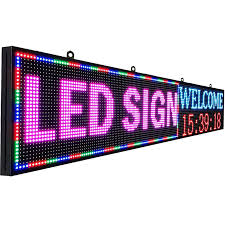
- Pixel Pitch: Outdoor LED displays usually range between 3mm to 10mm pixel pitch. For effective 3D visualization at a reasonable viewing distance, pixel pitches around 4mm to 6mm are common. Smaller pixel pitch ensures higher resolution and more detailed images, essential for realistic 3D effects.
- Brightness: Outdoor environments demand exceptionally high brightness levels to counteract sunlight. Industry standards suggest a minimum brightness of 5,000 to 7,000 nits. Leading manufacturers deliver displays with up to 10,000 nits that maintain vividness and clarity under direct sunlight.
- Refresh Rate: To avoid flicker and provide seamless video playback, especially for 3D content, refresh rates exceeding 3,840 Hz are prioritized. High refresh rates ensure smooth motion and reduce visual fatigue, crucial for prolonged viewer engagement.
- Viewing Angle: For outdoor applications, wide horizontal (≥120°) and vertical (≥60°) viewing angles are vital to accommodate diverse audience positions without compromising image quality or 3D effect perception.
- Ingress Protection (IP) Rating: Given exposure to weather, a minimum of IP65 certification is mandatory. This rating ensures protection against dust ingress and low-pressure water jets, guaranteeing durability and long-term operation in harsh outdoor environments.
- Color Uniformity and Contrast: Advanced calibration and driving ICs enhance HDR imaging capabilities by improving contrast ratios to 3,000:1 or higher. This contrast depth is necessary for the depth cues essential to 3D visualization, improving overall realism.
Technological Innovations in 3D Visualization
The core challenge in outdoor 3D LED display technology lies in achieving realistic depth perception without auxiliary equipment:
- Parallax Barrier and Lenticular Technology: These techniques manipulate the direction of light emission from LED pixels to create multiple viewing zones. As the viewer moves, the displayed image shifts to simulate different perspectives, resulting in a natural 3D experience.
- Multi-view Display Systems: Leveraging multiple synchronized image streams, these systems display varied angles of the same content, enabling autostereoscopic (glasses-free) 3D visualization. Integration with LED displays requires precise timing and high data throughput managed by cutting-edge video processors.
- High-Dynamic Range (HDR) and HDR10 Standards: The incorporation of HDR standards enhances color depth and highlights, crucial to the stereoscopic effect. Industry leaders adopt HDR10 compliance for outdoor 3D LED displays, matching cinema-grade visual quality.
Applications and Case Studies
Globally, outdoor 3D LED displays have revolutionized public engagement:
- Advertising and Marketing: Brands like Samsung and Nike utilize outdoor 3D LED façades in flagship stores and outdoor events. For instance, New York’s Times Square features several 3D LED installations that attract millions of eyeballs, combining motion, depth, and brightness unmatched by 2D displays.
- Sports and Entertainment Venues: Stadia and concert venues employ massive 3D LED walls to enhance audience immersion. The 3D content delivers dynamic replays and interactive visuals visible even under daylight and varying weather conditions.
- Public Information Systems: Cities deploy 3D LED displays for traffic updates, emergency alerts, and cultural promotions. The clarity and attention-capturing factor of 3D make these displays effective for disseminating critical information while also beautifying urban spaces.
Manufacturing and Quality Assurance
Achieving high-quality outdoor 3D LED displays demands rigorous manufacturing processes:
- Component Selection: Industrial-grade LEDs with consistent brightness and chromaticity are essential. OEMs source LEDs with superior binning to meet exacting color uniformity and durability standards.
- Module Assembly and Calibration: Precision assembly aligns pixels to support stereoscopic display patterns. Calibration involves color grading, brightness adjustment, and geometric alignment, conducted under controlled environments and verified with photometric equipment.
- Reliability Testing: Outdoor units undergo environmental stress tests, including temperature cycling (typically -40°C to +60°C), UV exposure, humidity tests, and shock resistance. Compliance with international standards such as IEC 60529 (IP ratings) and UL certification ensures field reliability.
Future Trends
The next frontier for outdoor 3D LED displays includes:
- Higher Resolution and Smaller Pixel Pitch: Advancements in miniaturized LEDs and micro-LED technology will drive pixel pitches below 3mm, making 3D visuals crisper and viewable at closer distances.
- AI-Driven Content Adaptation: Artificial intelligence will customize 3D content dynamically based on viewership analytics, lighting conditions, and viewer positioning, optimizing experience in real-time.
- Integration with Augmented Reality (AR): Combining 3D LED visuals with AR content on smartphones or wearables can create hybrid interaction ecosystems, enriching audience engagement further.
In conclusion, outdoor 3D LED displays represent a convergence of advanced display engineering, material science, and software innovation. For marketers, city planners, and entertainment professionals seeking high-impact visual communication, understanding the nuanced parameters and deploying industry-standard solutions is critical for success. As technology evolves, these displays will continue to reshape public spaces, delivering immersive, durable, and stunning visual spectacles for global audiences.
References:
- International Electrotechnical Commission (IEC) 60529 - Degrees of Protection Provided by Enclosures (IP Code)
- Society for Information Display (SID) Technical Digest, 2023
- Display Industry Association (DIA) Outdoor LED Display Standards, 2024
- Samsung Electronics Outdoor LED Display Product Specifications, 2024
- “High Brightness LED Display Technologies,” Journal of Display Technology, IEEE, 2023













