

Advanced Insights into LED Display Manufacturing: Technical Parameters and Industry Best Practices
The LED display industry has undergone transformative growth over the past decade, driven by rapid advancements in technology and the increasing demand for high-quality visual solutions. As a seasoned LED display engineer with extensive experience in manufacturing, design, and quality control, I provide a comprehensive analysis of the critical technical parameters, manufacturing processes, and industry standards that govern modern LED display production.
Understanding LED Display Technology
At the core, LED (Light Emitting Diode) displays are electronic visual displays utilizing arrays of LEDs as pixels. These displays offer several advantages over traditional LCD screens, including superior brightness, better contrast ratios, and flexible form factors. LED displays come in various types, such as indoor, outdoor, flexible, and transparent LED screens, each tailored to specific applications.
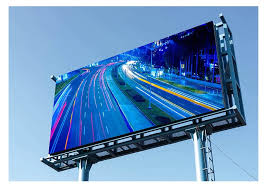
Critical technical parameters include:
- Pixel Pitch: This is the distance between the centers of two adjacent pixels and directly influences display resolution and viewing distance. Typical indoor displays have pixel pitches ranging from 0.9mm to 4mm, whereas outdoor displays often start from 4mm and go up to 20mm or more. For example, a 1.2mm pixel pitch display can achieve a resolution of over 4K at relatively modest screen sizes while ensuring excellent close-up visibility.
- Brightness: Measured in nits (cd/m²), brightness determines visibility under various ambient lighting conditions. Outdoor LED displays require brightness levels upwards of 5,000 nits to ensure readability under direct sunlight, while indoor displays typically operate between 800 and 1,500 nits.
- Refresh Rate: A high refresh rate, generally above 3,000 Hz, is essential to prevent flickering and motion blur, particularly for applications involving video playback or camera filming. Industry standards such as those from the Society for Information Display (SID) recommend refresh rates tailored to application-specific requirements.
- Contrast Ratio: This parameter affects image quality and color reproduction. LED displays can offer contrast ratios exceeding 3,000:1, significantly enhancing the visual depth compared to conventional LCDs.
Manufacturing Best Practices
Manufacturing LED displays demands precision and strict adherence to quality control procedures. Beginning with LED chip selection, manufacturers often choose between SMD (Surface-Mount Device) LEDs for fine pixel pitch displays and COB (Chip on Board) techniques for higher brightness outdoor modules.
The PCB substrate design is fundamental, typically involving high-Tg FR-4 materials for thermal stability. Thermal management—through copper layers and heat dissipation designs—is vital given that LEDs generate heat during operation, which can degrade performance and lifespan.
After assembly, modules undergo rigorous testing stages:
- Binary and grayscale calibration ensures uniform luminance and color across the panel.
- Color gamut verification aligns display output with standards such as Rec. 709 or DCI-P3.
- Environmental stress testing simulates exposure to temperature, humidity, and vibration, essential for outdoor module durability.
Quality Standards and Industry Guidelines
Meeting international standards is imperative for credibility and market acceptance. Manufacturers usually align with:
- IEC 62471: Photobiological safety of lamps and lamp systems, ensuring displays do not pose eye safety risks.
- RoHS and REACH compliance to restrict hazardous substances.
- IP rating standards like IP65 and IP67 dictate the level of dust and water resistance, critical for outdoor environments.
In addition, certifications such as UL (Underwriters Laboratories) testify to product safety and reliability.
Case Studies and Innovation
A notable case study is the deployment of a 1.5mm pixel pitch LED wall in a global broadcast studio in 2023. The project leveraged fine pixel pitch SMD technology, achieving vibrant, flicker-free visuals with a 4,000 Hz refresh rate to support live camera shooting without moiré effects.
Innovative trends such as Micro-LED and Mini-LED integration promise even greater energy efficiency and pixel density. Micro-LED technology, characterized by discrete microscopic LEDs, enables ultra-high-resolution displays with superior color accuracy and longer lifespan.
Conclusion
The successful design and manufacturing of LED displays hinge on a delicate balance of technical specifications, manufacturing precision, and adherence to industry standards. Engineering expertise plays a critical role in optimizing performance while ensuring durability and cost-effectiveness. As the demand for high-performance LED displays grows globally, continual innovation, alongside strict quality management and compliance, remains paramount to delivering cutting-edge solutions.
Sources and references:
- Society for Information Display (SID): Display Industry Standards
- IEC 62471: Photobiological Safety Standard
- RoHS and REACH Directives Documentation
- Underwriters Laboratories (UL) Certification Guidelines
- Case studies from leading LED manufacturers published between 2022-2024













