

Advanced Technologies and Industry Practices in LED LCD Screen Manufacturing
In the rapidly evolving field of display technologies, LED LCD screens have become the cornerstone for applications ranging from consumer electronics to professional-grade monitoring systems. As an LED display engineer with extensive experience in manufacturing and design, I will delineate the crucial technological aspects, manufacturing processes, and quality standards that govern today’s industry, ensuring enhanced performance, durability, and visual excellence.
Understanding LED LCD Screen Technology
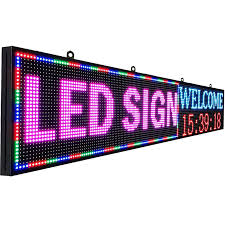
LED LCD screens fundamentally combine two distinct technologies: Liquid Crystal Display (LCD) and Light Emitting Diodes (LED) backlighting. The LCD forms the image matrix by modulating light, while the LED backlight provides uniform illumination. This synergy allows for higher brightness, increased energy efficiency, and better color accuracy compared to traditional CCFL-backlit LCDs.
Key technical parameters defining LED LCD performance include:
- Resolution: Typical sizes range from Full HD (1920x1080 pixels) to 8K (7680x4320 pixels).
- Brightness: Measured in nits (cd/m²), modern models achieve 500 to 2000 nits for outstanding visibility under various lighting conditions.
- Color Gamut: Coverage of 100% sRGB and up to 98% DCI-P3 provides vibrant and true-to-life colors essential for professional applications.
- Refresh Rate: Screens meet 60Hz standard frequency, with gaming and specialized panels going up to 240Hz or higher for smoother motion representation.
- Contrast Ratio: Static contrast typically ranges from 1000:1 to 5000:1; dynamic contrast ratios can be significantly higher, improving image depth.
Manufacturing Process and Quality Control
State-of-the-art LED LCD screen production involves precise layering of components, starting from fragile glass substrates coated with Indium Tin Oxide (ITO) electrodes, followed by uniform alignment layers for liquid crystal molecules. The assembly requires cleanroom environments classified to ISO 5 or better to avoid particulate contamination, which can cause pixel defects.
Backlight modules employ carefully arranged LED arrays, where edge-lit or direct-lit configurations cater to different performance needs. Direct LED backlighting, often with local dimming, provides superior contrast and energy savings but necessitates meticulous thermal management due to heat dissipation challenges.
Comprehensive testing regimes are embedded in the production workflow, such as:
- Pixel Defect Inspection: Using automated optical inspection (AOI) to detect dead or stuck pixels below the permissible defect rate per International Electrotechnical Commission (IEC) standards (IEC 61747-11).
- Color Uniformity Tests: Employing spectroradiometers to ensure consistent color temperature and luminance across the screen.
- Burn-in and Aging Tests: Simulating extended operational hours under elevated temperatures to guarantee long-term stability.
- Mechanical Stress Tests: Validating assembly durability through vibration, shock, and bending assessments aligned with MIL-STD-810G requirements.
Advancements and Industry Trends
The integration of quantum dots (QLED technology) into LED LCD screens heralds a significant leap in color reproduction and brightness efficiency. Quantum dot films replace conventional phosphors, enabling wider color gamuts and lower power consumption. According to recent studies from the Society for Information Display (SID), quantum dot-enhanced LED LCDs demonstrate up to 30% improvements in color volume.
Moreover, mini-LED technology, which incorporates thousands of tiny LEDs for local dimming backlighting, improves the dynamic contrast ratio dramatically, rivaling OLED panels while maintaining longer lifespans and affordability. In practice, hybrid backlighting systems blending mini-LED arrays with machine-learning algorithms for adaptive brightness control further optimize user experience in ambient environments from bright sunlight to dark rooms.
Sustainability and Environmental Considerations
With growing global emphasis on sustainability, manufacturers are adopting eco-friendly materials and processes. The Restriction of Hazardous Substances Directive (RoHS) and Waste Electrical and Electronic Equipment (WEEE) regulations are rigorously enforced to limit hazardous elements like lead and mercury. Additionally, LED backlighting contributes to reduced power consumption compared to older CCFL setups, aligning product lifecycles with energy efficiency targets.
Conclusion
Manufacturing high-performance LED LCD screens demands a multifaceted approach encompassing precision engineering, rigorous quality assurance, and innovation in materials science. Industry standards such as IEC 61747 and ISO 9241-307 remain pivotal in guiding product reliability and visual ergonomics. As technology advances towards mini-LED and quantum dot integration, the future for LED LCD screens promises enhanced visual experiences, greater energy efficiency, and expanded functionality across diverse applications.
By understanding these technical and industrial perspectives, professionals can better navigate the complexities of LED LCD screen production, fostering products that meet the highest expectations for quality and longevity.













