

Advanced LED LCD Screen Manufacturing: Practical Applications, Advantages, Common Issues, and Latest Trends
The LED LCD screen manufacturing industry has experienced remarkable advancements in recent years, driven by the demand for higher resolution, better color accuracy, energy efficiency, and innovative display technologies. As an experienced LED display engineer, I aim to deliver an authoritative and professional overview of this evolving field addressing practical applications, manufacturing advantages, common challenges, and emerging trends that define the present and future of LED LCD screens.
Practical Applications of LED LCD Screens
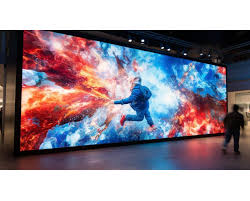
LED LCD screens are ubiquitous across numerous sectors, including consumer electronics, digital signage, medical imaging, automotive displays, and aerospace. In consumer electronics, they form the backbone of televisions, laptops, tablets, and smartphones, delivering crisp images with low power consumption compared to traditional LCDs. For digital signage and outdoor advertising, high-brightness LED-backlit LCDs perform reliably under varying light conditions, exceeding 1,000 nits of luminance according to industry standards (e.g., IEC 62717). Medical imaging utilizes high-contrast, large color-gamut LED LCDs to enhance diagnostic clarity, with gamma uniformity maintained within ±0.03 to ensure precision. Automotive displays benefit from flexible LED backlighting integrated with advanced LCD panels to provide adaptive brightness and visibility in extreme environments.
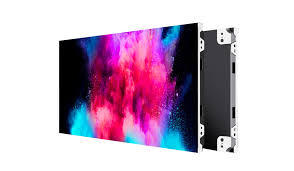
Advantages of LED LCD Technology
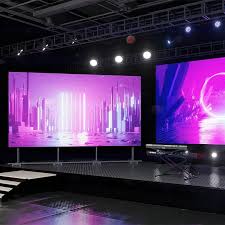
The integration of LED backlighting into LCD screens has revolutionized display quality and efficiency. Key advantages include:
1. High Brightness and Contrast Ratio: LED backlit LCDs can achieve brightness levels exceeding 1,200 nits, facilitating visibility even in direct sunlight. Combined with local dimming capabilities, contrast ratios often surpass 5,000:1, ensuring deep blacks and vibrant colors.
2. Energy Efficiency: Compared with cold cathode fluorescent lamp (CCFL) backlighting, LEDs consume approximately 30-50% less power, significantly extending device battery life and reducing operational costs in large installations.
3. Slim Form Factor: LED backlighting allows thinner displays by eliminating bulky fluorescent tubes, benefiting mobile devices and wall-mounted digital signage.
4. Long Lifespan and Reliability: LEDs typically offer operational lifespans between 30,000 to 100,000 hours, outperforming other backlight technologies regarding durability.
5. Enhanced Color Reproduction: With the adoption of quantum dot enhancement films (QDEF), LED LCDs increasingly approach wider color gamuts (e.g., 97% DCI-P3) critical for content creation and multimedia applications.
Common Problems in LED LCD Screen Manufacturing
Despite its benefits, manufacturing LED LCD screens involves several recurring technical challenges:
- Backlight Uniformity Issues: Inconsistent LED placement or LED aging can result in non-uniform luminance, brightness spot defects, or clouding (mura effect). Strict adherence to ISO 9241-302 standards for luminance uniformity and precise edge-lit or direct LED backlight design reduces occurrence rates.
- Thermal Management: LED arrays produce localized heat, which affects LCD panel performance and may lead to color shifts over time. Implementing advanced heat sinks, thermal interface materials, and active cooling mechanisms ensures operational stability.
- Color Calibration and Aging: LEDs experience spectral shifts due to aging; thus, periodic color calibration leveraging onboard sensors or external spectrometers is essential to maintain color consistency over a product’s lifetime.
- Manufacturing Yield Improvements: As resolutions increase to 4K and 8K+, pixel defects and assembly alignment accuracy challenge yield rates. Adopting inline optical inspection and AI-based defect detection enhances quality control.
Latest Trends Shaping the LED LCD Market
The LED LCD industry is simultaneously addressing emerging display demands while embracing new technology paradigms:
- Mini-LED and Micro-LED Backlighting: These represent the next generation of LED backlights with thousands (mini-LED) or millions (micro-LED) of tiny LEDs enabling more precise local dimming with contrast ratios exceeding 1,000,000:1 and HDR performance conforming to Dolby Vision/PQ standards. Mini-LEDs are increasingly adopted in premium monitors and high-end televisions.
- Flexible and Transparent Displays: Enhanced LED integration allows for bendable LCDs suitable for foldable devices and transparent displays for heads-up automotive displays and retail. Challenges include flexible PCB manufacturing and substrate durability.
- AI-Driven Calibration and Maintenance: AI algorithms and sensor networks facilitate automatic display tuning for optimal brightness, contrast, and color profiles adapting to ambient conditions in real-time, improving user experience.
- Sustainability Initiatives: Using recyclable materials, low-toxicity LEDs, and energy-saving designs aligns the industry with global ecological standards such as RoHS and WEEE directives, reflecting a growing corporate responsibility ethos.
In conclusion, the LED LCD screen manufacturing domain is characterized by continuous innovation backed by robust engineering principles and adherence to stringent quality standards. The synergy between LED technology improvements and LCD panel advancements unlocks practical benefits for users worldwide. By solving longstanding challenges and embracing the latest trends, manufacturers deliver displays that satisfy diverse application requirements—from immersive entertainment systems to mission-critical professional devices—while paving the way for future breakthroughs in visual technologies.
References:
- IEC 62717: LED Modules for General Lighting – Performance Requirements
- ISO 9241-302: Ergonomics of Human-System Interaction – Display Screen Colors – Part 302: Color Measurement Methodology
- SID (Society for Information Display) Reports and Technical Papers
- Dolby Laboratories HDR Standards Documentation













