

Fine Pitch LED Video Walls: Technology, Applications, and Industry Insights
Fine pitch LED video walls represent the cutting edge in display technologies, offering unprecedented resolution and visual clarity for a wide range of applications. As an experienced LED display engineer, I will provide a comprehensive overview of the technical parameters, manufacturing considerations, industry standards, and practical insights related to fine pitch LED video walls, reflecting the latest developments up to 2024.
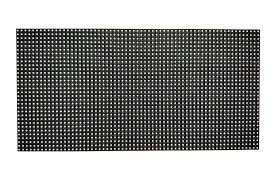
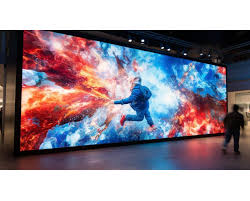
Fine pitch LED video walls are characterized primarily by their pixel pitch, the distance between the centers of adjacent LED pixels, typically ranging from 0.7mm to 1.5mm. This small pixel pitch enables extremely high pixel density and sharp image reproduction ideal for close viewing distances. Compared to traditional LED video walls with pixel pitches of 2.5mm and above, fine pitch technology provides a superior visual experience, crucial for control rooms, broadcast studios, retail environments, and high-end conferencing facilities.
Technical Parameters and Standards
Key parameters defining fine pitch LED panels include:
- Pixel Pitch: 0.7mm to 1.5mm, enabling pixel densities exceeding 400,000 pixels per square meter.
- Brightness: Typically between 600 to 1200 nits, sufficient for indoor ambient lighting conditions, adjustable via dynamic brightness control to save energy.
- Refresh Rate: Minimum 3840 Hz to avoid flickering in broadcast and professional environments, complying with industry standards like IEEE 1789.
- Color Accuracy: Support for 16-bit color depth and advanced calibration ensures color consistency across large formations, critical for broadcast and corporate applications.
- Viewing Angle: Generally wide, exceeding 160° horizontally and vertically, to maintain image legibility from multiple viewer positions.
- Power Consumption: Usually optimized between 200 to 400 W/m², with intelligent power management to balance performance and efficiency.
ISO 9241-307 and IEC 62368-1 standards guide ergonomic design and safety requirements for LED display systems, ensuring users experience minimal eye strain and safe operation conditions.
Manufacturing and Quality Control
Producing fine pitch LED video walls demands exacting manufacturing tolerances due to the compactness of each module. Components such as SMD LEDs must be highly uniform to avoid color shifts and mura (non-uniformity) across large video walls. High-precision surface mount technology (SMT) lines, coupled with automated optical inspection (AOI), are industry standard to guarantee pixel integrity and mechanical flatness.
Thermal management is critical, as densely packed LEDs generate more heat per unit area. Innovative cooling solutions, including multi-layer PCBs with copper heat spreaders and passive or active cooling systems, are integrated to maintain operational temperature within 40-50°C, thereby extending panel lifespan and maintaining color stability.
Applications and Industry Use Cases
Fine pitch LED video walls have revolutionized several fields requiring exceptional visual fidelity:
- Broadcast Studios: Delivering seamless wide-screen visuals with true color fidelity for live broadcast.
- Control Rooms: Offering sharp, detailed real-time data visualization critical for defense, traffic management, and utilities monitoring.
- Corporate Settings: Enhancing communication through high-resolution digital signage and conferencing backdrops.
- Retail and Exhibitions: Captivating consumers with vibrant, dynamic content at close viewing distances.
A notable case study is the deployment of fine pitch LED walls by the European Space Agency’s ESA Control Centre. Utilizing 0.9mm pixel pitch panels with 600 nits brightness, the large-scale video array provides operators real-time spacecraft telemetry in unparalleled detail, demonstrating the technology’s vital role in mission-critical environments.
Installation and Integration Challenges
Despite its advantages, fine pitch LED installation demands precision during mechanical assembly and electrical connectivity. Cabinet seams must be minimized—typically below 0.3mm—to ensure a uniform visual surface. Calibration post-installation involves complex software to compensate for LED aging and environmental factors.
Furthermore, interface compatibility requires video processors and media players capable of handling ultra-high resolutions (4K or higher) with low latency. Integration with existing control systems and ensuring synchronization across large arrays are essential for consistent image rendering.
Future Trends
Advancements continue with MicroLED technology, which promises even smaller pixel pitches and enhanced longevity. Meanwhile, developments in driver ICs and backend electronics are pushing refresh rates beyond 8000 Hz, facilitating flawless AR/VR integration and 3D holographic displays.
Sustainability concerns also drive innovation in low-power components, recyclable materials, and more efficient production cycles, aligning the fine pitch LED industry with global environmental goals.
In summary, fine pitch LED video walls embody the pinnacle of visual display technology. Their complexity in manufacturing and installation is justified by the exceptional quality and versatility they deliver. Industry adherence to rigorous technical standards and evolving innovations ensures continued leadership in sectors demanding premium visual solutions.
References:
- International Electrotechnical Commission (IEC) 62368-1: Safety standard for audio/video, information and communication technology equipment.
- IEEE 1789: Recommended practices for flicker mitigation in light sources.
- ISO 9241-307: Ergonomics of human-system interaction – Displays.
- Practical insights from the European Space Agency's display technology deployment, 2023.
- LED Display Industry Annual Report, 2024, Strategies Unlimited.













