

2000 Nit Brightness in LED Displays: Technical Insights and Industry Applications
In the rapidly evolving landscape of display technology, brightness is a pivotal parameter that defines not only the visual experience but also the functional performance of LED screens. Among the brightness measures, 2000 nit stands out as a benchmark for high-brightness LED displays used across various industries, from outdoor advertising to advanced industrial applications. This article delves into the technical significance of 2000 nit brightness, its impact on display quality, manufacturing challenges, and practical applications, drawing upon authoritative industry data and standards.
To begin with, nit (cd/m²) is a unit of luminance, representing the intensity of visible light emitted per unit area. A brightness level of 2000 nit means the screen emits 2000 candelas per square meter, which is significantly brighter than typical indoor LCD panels (usually 200–500 nits). Such high luminance levels maximize visibility under direct sunlight and challenging ambient lighting, making 2000 nit displays ideal for outdoor installations.
From an engineering perspective, reaching 2000 nit in LED displays involves optimizing several technical parameters:
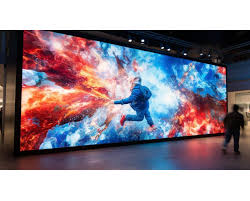
1. LED Chip Quality and Efficiency: High-brightness LED chips must maintain stable light output without color shift or premature degradation. Leading manufacturers utilize gallium nitride (GaN) based LEDs, which offer superior luminous efficacy and thermal performance, adhering to industry standards like the JEDEC JESD51 for thermal management.
2. Thermal Management: Brightness increase inherently raises heat generation. Efficient heat dissipation is critical to avoid thermally induced lumen depreciation. Techniques such as aluminum heat sinks, active cooling modules, and advanced PCB materials like IMS (Insulated Metal Substrate) are employed to maintain operating temperature below 85°C, thus prolonging LED lifespan and performance reliability.
3. Power Supply Design: To sustain 2000 nit brightness, LED drivers must deliver stable current with minimal ripple. Compliance with IEC 61347 standards ensures electrical safety and optimal power efficiency, typically achieving conversion efficiencies above 90%.
4. Calibration and Uniformity: Particularly with large LED video walls, brightness uniformity is paramount. Factory calibration using spectroradiometers ensures that luminance variation across the panel stays under 5%, meeting ISO 9241-302 guidelines for visual ergonomics.
Practically, the implementation of 2000 nit LED displays spans multiple sectors:
- Outdoor Digital Signage: Billboard and transit displays require such brightness to remain visible in direct sunlight, often reaching brightness peaks of 2500 nits for peak daylight hours.
- Broadcast and Studio Monitors: High dynamic range (HDR) content demands luminance capabilities well beyond standard levels. Professional monitors operating at 2000 nit facilitate precise color grading and content validation according to SMPTE ST 2084 PQ curve.
- Aviation and Military Displays: These sectors mandate extreme visibility in high ambient light conditions. 2000 nit or higher displays are integrated into cockpit instrumentation and command centers to reduce glare and improve readability.
Despite these advantages, achieving and sustaining 2000 nit brightness presents challenges. Increased energy consumption is a trade-off, necessitating power-efficient design and possible use of local dimming technologies. Additionally, prolonged exposure to high brightness can accelerate LED aging, emphasizing the importance of proper thermal and power management strategies.
Industry trends are advancing toward even higher brightness levels without compromising energy consumption or lifespan. Emerging microLED technology shows promise with 2000+ nit capabilities at micro-scale pixel density, increased contrast ratios, and reduced heat generation.
In conclusion, 2000 nit represents a critical threshold in LED display engineering, balancing visibility, color fidelity, and durability. Adhering to international standards and leveraging cutting-edge materials and calibration techniques ensure that 2000 nit displays meet the stringent demands of diverse professional applications. For stakeholders aiming to deploy high-performance LED displays, understanding these technical and practical dimensions is essential for informed decision-making and sustainable deployment.













