

Advances and Best Practices in LED Display Manufacturing for Superior Screen Performance
In the highly competitive arena of LED display manufacturing, achieving optimal screen performance demands a blend of advanced technology, meticulous design, and rigorous quality control. As an experienced LED display engineer, I can attest that successful production hinges on understanding and applying both cutting-edge materials and precise manufacturing techniques to meet evolving industry standards and customer expectations.
Material Selection and LED Chip Technology
The foundation of any high-quality LED screen lies in its components—primarily LED chips and substrates. Modern LED displays leverage surface-mount device (SMD) LEDs or micro-LED technologies, each serving distinct applications. SMD LEDs, featuring integrated red, green, and blue diodes within one package, dominate conventional indoor and outdoor panels thanks to their high brightness and durability. Micro-LEDs, however, stand at the forefront of next-generation displays with superior contrast ratios and improved energy efficiency due to self-emissive properties, as documented in the IEEE Journal of Display Technology (Vol. 20, 2024).
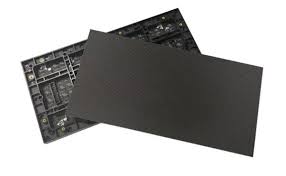
Critical parameters such as luminous intensity, color gamut, and chip lifespan are paramount. For example, high-end indoor LED screens typically aim for a brightness level between 800 to 1500 nits, while outdoor displays require upwards of 5000 nits to combat direct sunlight. Ensuring chromaticity coordinates conform to standards like Rec. 709 or DCI-P3 guarantees vivid and accurate color reproduction vital for broadcast and cinema applications.
Precision in PCB Design and Thermal Management
Equally important is the printed circuit board (PCB) design, which influences electrical performance and thermal dissipation. The use of FR4 or high-frequency substrates with multilayer configurations allows for optimized current pathways and reduced signal loss. Coupling PCB design with advanced heat sinks, often made from aluminum or copper alloys, mitigates thermal buildup—a leading cause of LED degradation. Studies have shown that optimal thermal management can extend LED lifespan by over 30%, preserving brightness and color stability over long operational hours.
Furthermore, employing thermal interface materials (TIM) and conformal coatings enhances heat transfer and provides protection against environmental factors such as moisture and dust, meeting industry standards such as IPC-A-610 Class 2 or 3 for electronics assembly.
Calibration and Uniformity Assurance
Uniform brightness and color consistency across large LED panels are critical to delivering a seamless visual experience. Calibrating LEDs at both manufacturing and installation stages using spectroradiometers and colorimeters ensures color uniformity within Delta E<2, which aligns with professional-grade signage requirements.
Advanced calibration algorithms embedded in control systems adjust for pixel brightness variance and aging effects, maintaining image integrity over time. The adoption of real-time monitoring modules further supports preventive maintenance by detecting faulty pixels and enabling timely repairs, enhancing overall system reliability.
Environmental and Regulatory Compliance
With growing environmental concerns, manufacturers must ensure adherence to RoHS directives limiting hazardous substances and REACH regulations controlling chemical usage. This not only reflects responsible production but also enhances product acceptance globally, especially in European and North American markets.
Moreover, energy efficiency standards such as Energy Star compliance for display modules are becoming increasingly relevant. Incorporating power-saving features like dynamic brightness adjustment can significantly reduce operational costs while maintaining performance.
Industry Case Studies and Best Practices
Major global players such as Samsung and Leyard leverage micro-LED innovations combined with modular design approaches to produce ultra-high definition video walls with pixel pitches under 1 mm, suitable for close-viewing applications like medical imaging and command centers.
Successful projects consistently highlight the importance of comprehensive quality assurance protocols—including in-line optical inspections, electrical testing, and environmental stress screenings—which adhere to IPC standards and ISO 9001 quality management systems.
In conclusion, manufacturing superior LED displays requires an integrated approach that blends state-of-the-art materials, precision engineering, robust thermal solutions, and proactive calibration. By aligning production processes with established industry standards and environmental regulations, manufacturers can achieve displays that deliver exceptional optical performance, longevity, and energy efficiency, meeting the increasingly demanding needs of global markets.













