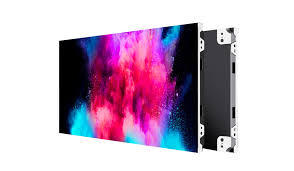
Fine Pitch LED Video Walls: Advanced Technology and Applications for Ultra-High Definition Displays
Fine pitch LED video walls represent the cutting edge of display technology, providing ultra-high resolution and stunning image clarity that meet the increasing demand for superior visual experiences across diverse applications. These walls are characterized by their extremely small pixel pitches — typically ranging from 0.9 mm to 2.5 mm — which denotes the distance between the centers of two adjacent LED pixels. The smaller the pitch, the higher the pixel density, resulting in sharper images and more precise detail reproduction, making fine pitch LED video walls ideal for indoor environments where viewers are positioned close to the screen.
From an engineering standpoint, fine pitch LED displays boast several critical parameters driving their performance. Brightness levels commonly reach 800 to 1200 nits indoors, balancing vivid visuals with eye comfort and energy efficiency. Contrast ratios exceed 4000:1, driven by high-quality LED chips and advanced driver ICs that enable deep blacks and vibrant color accuracy. In addition, fine pitch cabinets typically feature refresh rates of 3840Hz or more, critical to ensuring flicker-free images suitable for broadcast and live event settings. The high refresh capability also prevents motion blur, enhancing dynamic content presentation.
Manufacturing fine pitch LED video walls demands meticulous quality control and advanced technologies, including precise LED binning, thermal management, and calibration. Consistent color uniformity is achieved through calibration tools using spectrometers and software that adjust for slight variations in LED performance caused by manufacturing tolerances or operational temperature fluctuations. Moreover, sophisticated driver ICs like MBI5153 and ICN2153 facilitate high grayscale performance, improving subtle shading nuances in images. Thermal dissipation is managed with efficient heat sinks and airflow design to maintain stable operating temperatures, thereby extending panel lifecycles and reliability.
Applications for fine pitch LED video walls extend across various sectors. In control rooms and command centers, their ultra-clear visuals enable operators to monitor complex data flows meticulously. Corporate environments utilize these walls for immersive presentations and interactive displays, enhancing communication and engagement. Retail stores leverage fine pitch LED displays to showcase high-definition promotional content, while museums and exhibitions use them for immersive storytelling through ultra-realistic visuals. Additionally, broadcast studios benefit from negligible flicker and superior color fidelity, ensuring professional-grade video output.
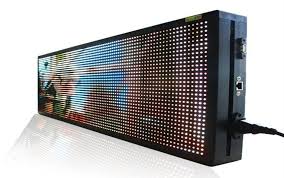
When choosing fine pitch LED video walls, several factors are vital to consider. Pixel pitch should align with the typical viewer distance; for example, 0.9 mm to 1.5 mm is optimal for close-up viewing in auditoriums or studios, while pitches closer to 2.5 mm suit larger conference venues. Energy consumption is another consideration; fine pitch panels require more power than larger pitch versions due to dense pixels, but improvements in LED efficiency and power management ICs have reduced overall operating costs.
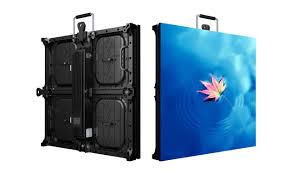
Installation involves precise mechanical frameworks to ensure seamless panel alignment with no visible gaps (known as zero bezel or near-seamless joining). Innovations like magnetic modules and click-lock fasteners enable quick maintenance and panel replacement, reducing downtime critical in commercial and professional settings. The modular nature of fine pitch LED walls also supports scalability, making it possible to expand displays to virtually any size while maintaining consistent image quality.
Industry standards such as ISO 9241 for ergonomics and safety, coupled with certifications like IEC 62471 for photobiological safety, guide manufacturers to ensure these LED walls are not only visually impressive but safe for prolonged viewer exposure. Internationally recognized manufacturers such as Samsung, LG, Leyard, and Unilumin lead in fine pitch LED innovation, integrating AI-based calibration and adaptive brightness controls to further enhance image quality under varying ambient light conditions.
In conclusion, fine pitch LED video walls stand at the forefront of display technology, delivering unparalleled image resolution, color fidelity, and refresh rates for diverse professional applications. The constant advancements in LED chip technology, thermal design, and electronic driving circuitry continue to push the boundaries of what these displays can achieve. Practitioners and decision-makers seeking immersive, high-performance visual solutions should consider the refined engineering, scalability, and operational advantages inherent in fine pitch LED video walls to meet future display demands.