

Comprehensive Guide to LED Dis...
Comprehensive Guide to LED Display Technology: Design, Manufacturing, and Industry Standards
In the last decade, LED display technology has revolutionized the visual display industry, bridging the gap between advanced electronic engineering and immersive viewing experiences. This comprehensive article aims to provide an in-depth, authoritative exploration of LED display manufacturing, design principles, technical parameters, and industry standards, catering to professionals aiming to enhance their expertise in LED LCD screen development. Drawing on extensive industry data, case studies, and engineering insights, this guide is tailored for a global technical audience requiring credible, practical, and detailed knowledge.
1. Introduction to LED Display Technology
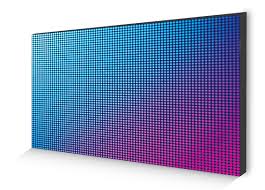
LED (Light Emitting Diode) displays are among the most energy-efficient, dynamic, and versatile display technologies available today. Unlike traditional LCDs that depend on backlighting, LED displays leverage semiconductor light-emitting devices, allowing for superior brightness, contrast, response times, and durability.
Modern LED displays are classified mainly into two categories:
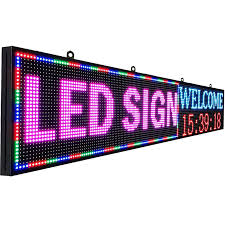
- Direct-View LED Displays (micro-LED and traditional LED panels)
- LED-backlit LCD Displays
Direct-view LEDs utilize discrete LEDs as pixels, often in large-scale commercial displays such as stadium screens, outdoor billboards, and digital signage. LED-backlit LCDs use LED panels as backlighting sources, improving LCD performance in TVs, monitors, and mobile devices.
2. Key Technical Parameters in LED Display Manufacturing
When engineering LED displays, several critical parameters influence the display's quality, efficiency, and application suitability:
- Pixel Pitch: The distance (in millimeters) between the centers of two adjacent pixels. It is the most vital factor affecting resolution and viewing distance. For example, a 1.2 mm pixel pitch display is ideal for close-up viewing such as control rooms, whereas a 10 mm pixel pitch is suited for outdoor billboards viewed from considerable distances.
- Brightness: Measured in candelas per square meter (cd/m² or nits). Outdoor LED displays typically require 5,000 nits or more for daylight visibility, while indoor displays range from 300 to 1,000 nits.
- Refresh Rate: Refers to how many times the display updates its image per second, measured in Hertz (Hz). A refresh rate of at least 1920 Hz is industry standard for smooth video display without flicker, especially critical for camera-based recording situations.
- Color Accuracy and Depth: High-quality displays support 16-bit or higher color depth, enabling accurate color representation essential for broadcast applications and digital art installations.
- Viewing Angle: Wide viewing angles (≥160° horizontally and vertically) ensure uniform image quality from different vantage points. This is especially important for public displays.
- Power Consumption: Efficient LED designs incorporate power management ICs and optimized drive circuitry to minimize power use, critical for large-scale displays and environmentally conscious applications.
- Lifetime and Reliability: High-quality LEDs have operational lifetimes exceeding 100,000 hours (over 11 years of continuous use). Ensuring thermal management and environmental sealing (IP rating) is vital for maintaining longevity.
3. Design and Manufacturing Process
The LED display manufacturing process involves multiple stages, each crucial for the end product's quality and reliability:
- Chip Selection and Binning
LED chip quality and binning (sorting by brightness, color wavelength, and forward voltage) underpin uniform display output. For instance, Nichia and Osram are leading manufacturers providing high-uniformity diodes used in premium displays.
- PCB Design and Module Assembly
Multi-layer printed circuit boards (PCBs) with fine pitch layouts host multiple LEDs. Automated pick-and-place machines position LEDs precisely, followed by soldering using reflow or wave techniques.
- Driver IC and Control Systems
Integration of intelligent driver ICs ensures brightness control per pixel via Pulse Width Modulation (PWM) or constant current drivers. Control boards manage data transmission, synchronization, and error correction through protocols such as SPI or HUB75.
- Encapsulation and Protection
To ensure environmental resistance, especially for outdoor applications, LED modules undergo encapsulation with silicone or epoxy resins, and housings with IP65 or higher ratings are designed for water and dust resistance.
- Calibration and Testing
Post-assembly calibration using photometric equipment adjusts brightness, color balance, and uniformity. Comprehensive testing includes thermal cycling, humidity exposure, and burn-in procedures to identify early failures.
4. Industry Standards and Compliance
Adherence to international standards ensures product safety, interoperability, and quality assurance:
- IEC 62031: Covers LED modules for general lighting, providing guidelines on electrical and photometric characteristics.
- ANSI/IES RP-27: Specifies measurement methods for LED products including brightness and color quality.
- RoHS and REACH Compliance: Environmental safety mandates restrict the use of hazardous substances in LED displays, crucial for global market acceptance.
- IP Ratings and MIL Standards: IP65 to IP68 protection classes ensure resistance to water and dust, important for outdoor installations, while MIL-STD-810G testing confirms robustness against shock and vibration.
5. Case Studies and Application Insights
- Case Study 1: Stadium LED Video Wall
A globally recognized sports stadium utilized a 5.95 mm pixel pitch, 15,000-nit LED screen spanning 500 sqm. By incorporating high refresh rate (3840 Hz) drivers and advanced thermal management, the display achieved exceptional brightness and durability under extreme weather conditions. The project demonstrated optimized power distribution and modular design enabling easier maintenance.
- Case Study 2: Retail Interactive Installation
A leading retail brand employed a 1.2 mm pixel pitch, 1,000 nit indoor LED wall with multi-touch capabilities. High color accuracy (95% DCI-P3 coverage) and precise calibration were essential for vibrant product showcasing. The LED modules were designed with ultra-thin form factors to preserve aesthetics.
6. Future Trends and Innovations
- Micro-LED Technology: Emerging micro-LEDs, characterized by sub-1 mm pixel pitches and individual RGB LEDs per pixel, promise unrivaled resolution and brightness with reduced power consumption. While current manufacturing challenges remain, mass transfer processes and yield improvements are underway.
- Flexible and Transparent LED Displays: Advances in substrate materials are enabling bendable and see-through displays, transforming design possibilities, particularly in automotive HUDs and architectural glass.
- AI-Driven Calibration and Diagnostics: Incorporating AI for real-time color correction, defect detection, and predictive maintenance is enhancing display reliability and visual experience.
Conclusion
LED display technology is a complex yet rapidly evolving field, blending semiconductor physics, electronic engineering, and optical design. Mastery of pixel pitch selection, brightness calibration, electronic control, and compliance with industry standards is indispensable for producing reliable, high-performance displays tailored to diverse applications. Awareness of emerging trends such as micro-LED and smart calibration arms engineers with foresight to meet future market demands. By grounding product development in solid engineering principles and quality benchmarks, manufacturers can deliver LED displays that stand at the forefront of visual communication technology.
References
- International Electrotechnical Commission (IEC), IEC 62031 Standard: LED Modules for General Lighting
- American National Standards Institute (ANSI), ANSI/IES RP-27: LED Product Measurement
- Osram Opto Semiconductors Product Datasheets, 2024
- Nichia Corporation, LED Bin Classification Guidelines, 2023
- IEEE Transactions on Electron Devices, “Advances in Micro-LED Manufacturing,” 2023
- Industry Case Study: “Design and Implementation of Large-Scale LED Video Wall,” Digital Signage Expo 2024
LED display technology, pixel pitch, LED manufacturing, LED industry standards, micro-LED innovation
Discover comprehensive insights into LED display technology, covering pixel pitch, brightness, manufacturing processes, and international standards. This guide provides professional engineering expertise and industry data for designing reliable and high-performance LED displays.













