

Advanced LED Display Technology: Engineering, Manufacturing, and Industry Insights
In the fast-evolving landscape of display technology, LED (Light Emitting Diode) screens have emerged as one of the most prevalent and versatile solutions across industries such as advertising, entertainment, medical imaging, and public information systems. Drawing from deep industry experience and up-to-date manufacturing methodologies, this article explores the technical foundations, engineering considerations, and quality standards that define the state-of-the-art in LED display technology as of 2024.
Introduction
The global demand for high-quality, reliable LED displays has surged in recent years, driven by increasing digital signage applications, immersive event productions, and advanced visualization needs in sectors like healthcare and transport. The evolution of LED technology from simple indicator lights to large-scale, intricately pixelated screens demands expert knowledge spanning semiconductor physics, optical engineering, and precision manufacturing processes. This article provides an in-depth look into key parameters, design principles, and production standards that ensure optimum performance and durability of LED displays.
Main Body
1. Technical Parameters and Display Engineering
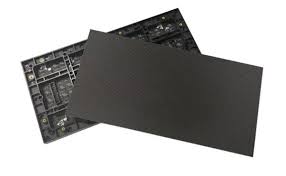
Modern LED displays consist primarily of an array of semiconductor LEDs arranged in pixels, each capable of emitting red, green, and blue light to create vibrant, full-color images. Critical performance metrics in LED display engineering include:
- Pixel Pitch: Defined as the distance between the centers of two adjacent pixels, pixel pitch directly impacts resolution and viewing distance. High-resolution indoor displays typically feature pixel pitches ranging from 0.8 mm to 2.5 mm, whereas outdoor displays span from 4.0 to 10 mm or more for broader viewing distances (International Electrotechnical Commission — IEC 62087).
- Brightness and Contrast: Outdoor LED displays require luminance values exceeding 5,000 nits to remain visible under direct sunlight. Conversely, indoor displays commonly operate between 600 and 1,200 nits for comfortable viewing and energy efficiency. Contrast ratios exceeding 3,000:1 enhance image depth, contributing to perceptual quality.
- Refresh Rate: To ensure flicker-free visuals, especially important for broadcast and live event applications, refresh rates are maintained above 1,920 Hz, far surpassing typical television standards. High refresh rates also contribute to motion clarity crucial in dynamic content.
- Color Accuracy and Calibration: Achieving precise color reproduction requires individual LED binning based on wavelength consistency and multi-point color calibration during manufacturing. Industry benchmarks such as ITU-R BT.709 and DCI-P3 guide color space adherence.
2. Manufacturing Processes and Quality Assurance
Manufacturing robust LED displays entails the integration of advanced semiconductor packaging, precise PCB assembly, and stringent quality controls:
- SMD vs. COB Technology: Surface Mount Device (SMD) LEDs are prevalent for indoor displays, offering small pixel pitches and high resolution. Chip on Board (COB) technology consolidates multiple LED chips into a single package, enhancing durability and thermal management, particularly in outdoor environments.
- Thermal Management: Elevated brightness levels generate significant heat, negatively affecting LED lifespan and color stability. Effective heat dissipation solutions include aluminum backplates, ventilation designs, and active cooling mechanisms conforming to JEDEC standards.
- Ingress Protection and Environmental Standards: Outdoor LED modules must meet IP65 or higher ratings to withstand dust and water ingress. Compliance with environmental regulations such as RoHS (Restriction of Hazardous Substances) ensures environmental safety and sustainability.
- Testing and Certification: Comprehensive testing — including brightness uniformity, pixel failure rates, and electromagnetic compatibility (EMC) — ensures reliability. Certification from authoritative bodies such as UL (Underwriters Laboratories) and CE (Conformité Européenne) guarantees compliance with international safety and performance standards.
3. Industry Case Studies and Emerging Trends
Industry-leading companies have showcased the capabilities of cutting-edge LED displays through landmark projects:
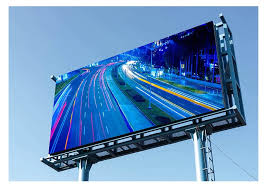
- Times Square media façades leveraging ultra-high-definition LED panels with 1.2 mm pixel pitch deliver engaging advertisements visible from hundreds of meters.
- Stadium installations integrating modular LED tiles enable rapid maintenance and scalable configurations optimized for diverse event requirements.
Looking forward, innovations in MicroLED technology promise even greater pixel density, energy efficiency, and lifespan. Additionally, flexible and transparent LED panels are facilitating novel applications in automotive glass and architectural surfaces, underpinning smart city development.
Conclusion
Engineering and manufacturing LED displays require a multifaceted approach that balances optical precision, durability, and cost-effectiveness. By adhering to established technical parameters and international standards, manufacturers can deliver products that meet the rigorous demands of today’s diverse applications. Continuous innovation, particularly in areas like MicroLED and enhanced thermal management, is poised to redefine the future of visual display technology globally. For engineers and decision-makers, understanding these intricacies facilitates informed product selection and deployment, enabling impactful visual communication across industries.













