

High Brightness Panel PC: Enhancing Visual Performance in Challenging Environments
In the evolving landscape of industrial computing and digital signage, High Brightness Panel PCs have emerged as a pivotal solution for applications demanding reliable and clear visual performance under intense ambient lighting conditions. These robust devices combine advanced display technology, rugged hardware design, and superior brightness capabilities to ensure optimal usability in environments traditionally challenging for conventional screens.
Understanding High Brightness in Panel PCs
Brightness, measured in nits (cd/m²), is a critical parameter for display visibility. A standard office panel PC typically offers 250 to 350 nits, which suffices for indoor, controlled lighting settings. However, environments such as outdoor kiosks, factory floors with bright overhead lighting, automotive diagnostics installations, or maritime control stations require displays with significantly higher luminance to overcome glare and sunlight reflection.
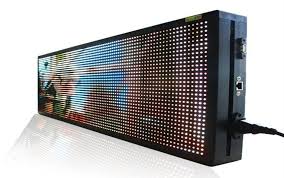
High brightness panel PCs typically feature brightness levels ranging from 1000 nits to over 2000 nits. This elevated luminance ensures that the screen content remains legible and sharp, even under direct sunlight or bright artificial light. For comparison, modern smartphones usually emit around 800-1000 nits for outdoor readability, but panel PCs require even higher values due to larger screen areas and industrial usage contexts.
Key Technologies Behind High Brightness Displays
1. Optical Bonding:
This process involves bonding the touch panel, protective glass, and LCD module together with a specialized optical adhesive. Optical bonding significantly reduces internal reflections and air gaps, which can cause glare and diminished display contrast. The result is improved sunlight readability and enhanced durability.
2. Anti-Reflective (AR) Coating:
High brightness panel PCs utilize AR coatings to minimize surface reflections, further improving visibility and crispness in bright environments. These coatings are tailored to disperse or absorb ambient light rather than reflecting it back to the user’s eyes.
3. Enhanced Backlighting Systems:
The LED backlight units integrated into these displays often feature high-efficiency LEDs capable of pushing luminance well beyond normal limits. Some devices adopt Direct LED arrays or Edge-lit LED configurations optimized for uniform brightness and energy efficiency.
4. High Contrast Ratio LCD Panels:
Coupled with increased brightness, high contrast ratios (over 1000:1) ensure that text and images are distinguishable and vivid. This is crucial when ambient lighting competes strongly with screen light output.
Rugged Design Considerations
Beyond brightness, these panel PCs are frequently constructed with industrial-grade components to withstand harsh conditions including dust, moisture, vibrations, and extreme temperatures. Typical features include:
- IP65 or higher Ingress Protection rating: Ensures protection against dust and water jets, enabling outdoor use.
- Wide Operating Temperature Range: Often between -20°C to +60°C, making them suitable for industrial or transportation applications.
- Durable Metal Housings: Aluminum or stainless steel frames protect internal components and aid in heat dissipation.
Applications Driving Demand for High Brightness Panel PCs
- Outdoor Digital Signage and Kiosks: Retailers, transportation hubs, and city information points rely on bright displays for customer interaction.
- Military and Defense: Tactical control systems require reliable performance in variable light settings without compromising clarity.
- Manufacturing and Automation: Factory floors with strong lighting benefit from displays that maintain readability for machine operators.
- Transportation Systems: Train control panels, ship bridge consoles, and automotive diagnostic tools benefit from robust, high brightness solutions.
Technical Parameters and Standards
When selecting or engineering a high brightness panel PC, key specifications should be reviewed carefully:
- Brightness: Minimum 1000 nits recommended for outdoor environments. Some applications may require 1500-2000 nits for direct sun exposure.
- Resolution: Full HD (1920x1080) or higher for sharp graphical output. 4K options exist but increase cost and power consumption.
- Touch Technology: Projected capacitive touch with multi-touch support is common; must be sealed against contaminants.
- Connectivity: Industrial-grade connectors supporting Ethernet, serial ports, USB, and optionally Wi-Fi or cellular for remote management.
- Power Consumption: High brightness panels consume more power; energy-efficient LED solutions mitigate thermal output.
- Compliance: Adherence to standards such as MIL-STD-810G for durability, IP ratings, and certifications like CE and FCC ensures reliable performance.
Industry Insights and Case Studies
According to a study by the International Display Manufacturing Association (IDMA, 2023), the global demand for high brightness industrial displays has grown by 12% annually, reflecting the increasing adoption of digital and automation technologies in outdoor and harsh environment sectors.
A notable case study involves a logistics company deploying 1500-nit high brightness panel PCs across its outdoor warehouse checkpoints. This upgrade resulted in a 30% improvement in operational efficiency due to reduced input errors and increased worker comfort under varying light conditions.
Future Trends
The continuous innovation in LED backlight efficiency, OLED panel adaptations for high brightness, and integration of AI-based adaptive brightness controls are shaping the next generation of panel PCs. Additionally, sustainability drives push manufacturers to develop energy-saving high brightness panels that maintain performance without compromising environmental responsibility.
Conclusion
High brightness panel PCs represent a synthesis of advanced display technology and rugged industrial engineering, crafted to meet the demanding visibility and durability challenges in bright and outdoor environments. Understanding their technical parameters and applications is essential for selecting appropriate solutions that ensure user productivity and operational reliability across diverse sectors.
For engineers, system integrators, and procurement specialists, investing in high brightness panel PCs backed by proven industry standards and supported by meticulous optical and mechanical design guarantees a future-proof, high-performance visual computing platform.













