

Advanced LED LCD Screen Manufacturing Technologies and Best Practices in 2024
Over the past decade, the LED LCD screen manufacturing industry has witnessed rapid advancements, significantly impacting display performance, durability, and energy efficiency. As of 2024, the integration of cutting-edge technologies coupled with refined manufacturing processes ensures that LED LCD screens meet the highest standards demanded by industries ranging from consumer electronics to professional signage and medical displays.
Understanding the Core Technology
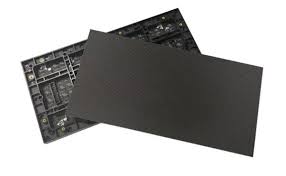
LED LCD (Light Emitting Diode Liquid Crystal Display) technology merges the benefits of LED backlighting with traditional LCD panels. Unlike conventional CCFL (cold cathode fluorescent lamp) backlights, LEDs offer higher brightness levels (up to 1000 nits or more), enhanced color gamut coverage (often exceeding 100% sRGB), and improved power efficiency with typical consumption reductions of 20-30% in standard models. These technical enhancements translate into more vibrant, energy-conscious displays.
Manufacturing Fundamentals
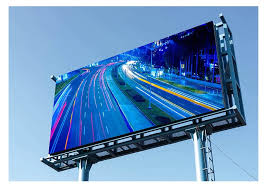
The production of LED LCD screens involves several intricate stages:
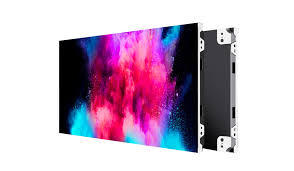
1. Substrate Preparation and TFT Layer Formation
The thin-film transistor (TFT) array, critical for pixel control, is deposited on a glass substrate using processes like sputtering and photolithography. Advances in oxide TFTs with materials such as IGZO (Indium Gallium Zinc Oxide) have markedly improved pixel response time and panel longevity. IGZO panels typically achieve response times below 10ms and support high-resolution definitions (4K and beyond) without compromising refresh rates.
2. Color Filter and Liquid Crystal Assembly
Applying precise color filters ensures accurate color reproduction. In high-end LED LCD screens, quantum dot enhancement layers (QDEF) have become mainstream, affording enhanced color purity and wider color gamut coverage (e.g., Rec. 2020 up to 85%). The liquid crystal layer, sandwiched between glass substrates, is aligned meticulously using advanced rubbing or photo-alignment techniques to optimize viewing angles and reduce light leakage.
3. Backlight Unit Engineering
LED backlight units (BLUs) are where significant improvements have been realized. Manufacturers now utilize mini-LED or micro-LED backlights, consisting of thousands of tiny LEDs rather than conventional arrays, enabling superior local dimming capabilities. Such fine control over brightness zones boosts contrast ratios beyond 5,000:1, fulfilling HDR (High Dynamic Range) standards like HDR10 and Dolby Vision.
4. Module Assembly and Quality Control
After integrating the LCD panel with LED backlighting, touch sensors (in touch-enabled displays) and anti-reflective coatings are applied. Rigorous testing for brightness uniformity, dead pixels (under ISO 9241-307 standards), color accuracy (using spectrophotometers), and durability (including thermal cycling and humidity stress tests per IEC 60068) guarantees product reliability.
Industry Case Studies and Standards
Leading manufacturers such as Samsung, LG Display, and BOE have incorporated these advanced manufacturing techniques to produce screens for flagship smartphones, ultra-thin TVs, and professional medical monitors with 12-bit color depth and refresh rates soaring to 120Hz for fluid motion rendering.
Compliance with international quality and safety standards, including RoHS (Restriction of Hazardous Substances Directive), UL certification, and CE marking, ensures market acceptance and environmental responsibility.
Energy Efficiency and Environmental Considerations
Energy-efficient LEDs with extended lifespans (>50,000 hours at 50% brightness) help reduce total lifecycle costs and electronic waste. Supported by OLED competition, LED LCD manufacturers are innovating in substrate materials, such as Corning’s Gorilla Glass Victus for scratch resistance, and developing recyclable components.
Implications and Future Trends
The near future promises further integration of AI-driven manufacturing analytics, predictive maintenance, and even more granular LED arrays, such as full micro-LED displays, which will eventually merge the benefits of emissive displays with the scalability and cost-efficiency of LCD manufacturing.
Conclusion
Combining superior materials, innovative backlight structures, and precise assembly techniques allows LED LCD screens in 2024 to deliver exceptional image quality, durability, and energy efficiency. Adherence to rigorous international standards and continuous R&D investment ensures that LED LCD technology remains central to the display industry’s evolution, serving a diverse array of global applications.
参照来源:
- International Electrotechnical Commission (IEC) 60068 - Environmental testing
- ISO 9241-307 - Pixel defects in displays
- Samsung Display Technical Whitepapers (2023-2024)
- LG Display Annual Reports (2024)
- Corning Gorilla Glass Technology Brief
- DisplayWeek Conference Proceedings 2023













