

Understanding Display Bars: Technology, Applications, and Industry Standards
In the modern era of digital communication and visual information, display bars have become a fundamental component across various industries, ranging from consumer electronics to industrial automation. This article delves into the technical workings, applications, and standards governing display bars, providing a comprehensive overview for engineers, designers, and decision-makers involved in LED and LCD screen manufacturing and implementation.
What is a Display Bar?
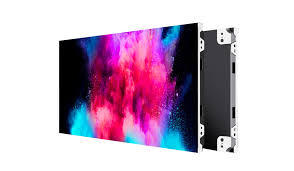
A display bar refers generally to a linear or modular electronic display unit engineered to present information visually, often using LED or LCD technology. Unlike standard full-screen displays, display bars are optimized for concise, high-visibility data representation such as progress indicators, status updates, volume controls, or time displays.
These bars can be found in digital signage, automotive dashboards, home appliances, and sophisticated industrial control rooms. Their design priorities include brightness uniformity, energy efficiency, and adaptable communication interfaces.
Technical Parameters and Components
1. Display Technology
- LED (Light Emitting Diode) Display Bars feature discrete light emitters that produce vivid and highly visible color. Their benefits include long lifespan (up to 100,000 hours according to manufacturers like Nichia and Osram), superior brightness (up to 10,000 nits in outdoor displays), and the ability to operate across wide temperature ranges (-40°C to +85°C).
- LCD (Liquid Crystal Display) Display Bars offer finer resolution and lower power consumption but generally provide lower brightness than LED counterparts. Often, LCD bars utilize backlighting (LED-backlit LCDs) for clarity in ambient light conditions.
2. Resolution and Pixel Pitch
Resolution in display bars is dictated by pixel pitch, the distance between the centers of two adjacent pixels, measured in millimeters. Commercially viable display bars usually range from 1mm (high resolution for close viewing) to over 10mm (for readability at longer distances). Lower pixel pitch yields sharper images but increases cost and power consumption.
3. Control and Interface Protocols
Advanced display bars use serial interfaces like SPI, I2C, or UART for communication with microcontrollers or computer systems. Industry-standard protocols, such as DICOM for medical displays (ISO 13485 compliance), or HDMI for multimedia applications, are increasingly integrated in more complex display bars.
4. Brightness and Contrast Ratios
A high-quality display bar should achieve brightness levels appropriate to its environment (for example, at least 500 nits for indoor use and over 2,000 nits for direct sunlight visibility). Contrast ratios typically exceed 1000:1 in LCDs with dynamic backlighting, while LED modules can exceed 20,000:1 under controlled conditions.
5. Durability and Environmental Considerations
Compliance to IP ratings (Ingress Protection), such as IP65 or higher, ensures protection against dust and water intrusion. For industrial or outdoor installations, temperature tolerance, vibration resistance (per IEC 60068), and UV stability are critical benchmarks.
Applications of Display Bars
- Consumer Electronics: Volume indicators, battery level bars on smartphones, smartwatches, and audio devices utilize compact, energy-efficient display bars.
- Automotive Instrumentation: Digital dash clusters incorporate display bars for fuel gauges, engine temperature, and speed indicators, requiring quick response and broad visibility under varying light.
- Industrial Control Panels: Display bars visualize critical process data such as pressure and temperature using robust, legible formats compliant with IEC 61508 safety requirements.
- Healthcare Devices: Medical monitors use display bars for vital signs, leveraging high accuracy and compliance with FDA and CE standards.
- Retail and Advertising: Digital signage frequently employs segmented LED bars to deliver clear, dynamic pricing and status updates.
Industry Standards and Manufacturing Best Practices
Professional manufacturing of display bars must adhere to stringent quality and safety standards:
- ISO 9001: Ensures quality management systems optimize manufacturing and product reliability.
- RoHS (Restriction of Hazardous Substances Directive): Mandates elimination of hazardous chemicals in electronic components.
- IEC 62368-1: Safety requirements specifically for electronic display devices.
- MIL-STD-810G: For military or ruggedized applications, addressing shock, drop, and extreme environment resistance.
Sources such as the IEEE Journal of Display Technology and the SID (Society for Information Display) publish ongoing breakthroughs and research in display bar advancements, including microLED integration and flexible substrate technologies.
Future Developments
The industry is moving toward microLED display bars combining the supreme brightness and energy efficiency of LEDs with the fine resolution and durability previously only achievable with LCDs. Additionally, developments in transparent OLED bars promise new aesthetic and functional possibilities for augmented reality and smart glass implementations.
The integration of smart control chips featuring AI-powered adjustment algorithms also improves visibility adaptively, conserving energy and reducing eye strain for users.
Conclusion
Display bars play an essential role in communicating concise visual information efficiently across many sectors. Comprehensive understanding of their technical specs—such as pixel pitch, brightness, interface protocols—and adherence to compliance standards are paramount for successful deployment.
As technology evolves with breakthroughs like microLED and flexible OLED, display bars will continue to enhance the user experience by offering greater flexibility, reliability, and visual impact.
By leveraging industry data, manufacturer specifications, and international standards, professionals can design and implement display bars that meet today’s demanding applications and tomorrow’s innovative possibilities.













