

Advanced LED Display Technologies: A Comprehensive Guide to Manufacturing and Performance Optimization
In the rapidly evolving realm of visual display technology, LED (Light Emitting Diode) displays continue to dominate sectors ranging from consumer electronics to large-scale outdoor advertising and professional broadcast environments. With the escalating demand for high-resolution, energy-efficient, and durable displays, understanding the nuances of LED display manufacturing is critical for engineers and manufacturers aiming to deliver cutting-edge products that meet global standards.
Fundamental Principles of LED Display Technology
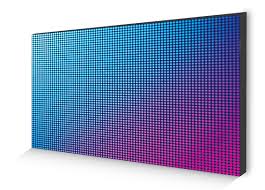
At its core, an LED display comprises countless tiny diodes capable of emitting light directly upon electrical stimulation. This direct emissive property differentiates LEDs from traditional LCD panels, which rely on backlighting. As a result, LEDs offer superior contrast ratios, wider viewing angles, and enhanced color vibrancy. The most common types used in display manufacturing include SMD (Surface-Mount Device) LEDs and COB (Chip on Board) LEDs, with pixel pitches as fine as 0.7mm in indoor applications enabling ultra-high-definition displays.
Key Technical Parameters and Manufacturing Considerations
When embarking on LED display production, several parameters govern design and operational efficiency:
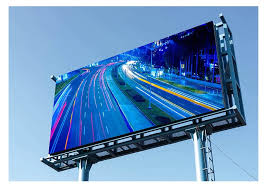
- Pixel Pitch: Defined as the center-to-center distance between two adjacent pixels, pixel pitch directly influences resolution and viewing distance. For indoor applications, pixel pitches range typically from 0.7mm to 3mm, while outdoor displays often employ 4mm to 20mm due to viewing distance requirements.
- Brightness and Contrast Ratio: Outdoor LED displays require luminance levels exceeding 5,000 nits for visibility under direct sunlight, whereas indoor screens operate comfortably around 800-1,500 nits. A contrast ratio exceeding 3,000:1 is often achievable, underpinning image clarity.
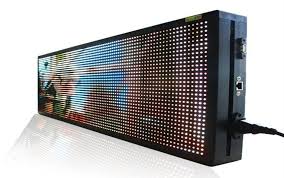
- Color Accuracy and Calibration: Adhering to color standards such as Rec. 709 for broadcast or DCI-P3 for cinema ensures that the display delivers faithful color reproduction. Advanced calibration tools employing spectroradiometers and custom lookup tables allow for achieving uniformity and precise hue representation.
- Refresh Rate and Gray Scale: High refresh rates above 1,920 Hz are essential to prevent flicker in video applications, especially in televised events. Grayscale depth of 14-16 bits per color channel enables smooth gradients, critical for professional imaging sectors.
Manufacturing processes involve precise SMT (Surface Mount Technology) placement of LEDs onto PCBs, followed by stringent quality checks including optical testing, moisture sensitivity assessments, and environmental reliability tests conforming to IEC 60068 and MIL-STD-810 standards.
Challenges in LED Display Assembly
Ensuring module uniformity and longevity remains a significant challenge. Thermal management is paramount, as operating temperatures affect LED lifespan and chromaticity. Innovative heat dissipation solutions, such as aluminum heat sinks and thermally conductive adhesives, are integrated to maintain optimal junction temperatures, typically around 85°C maximum.
Integration of advanced driver ICs capable of real-time current regulation prevents brightness degradation and color shift, enhancing overall system reliability.
Emerging Trends: Mini-LED, Micro-LED, and Beyond
The display industry is progressively integrating Mini-LED and Micro-LED technologies to push resolution and luminance boundaries further. Mini-LED features thousands of diminutive LEDs acting as local dimming zones, markedly improving dynamic contrast ratios in LCD displays—capable of achieving over 1,000,000:1 contrast. Meanwhile, Micro-LEDs, with their microscopic LED arrays, promise unparalleled pixel-level control and efficiency, heralding a new era of ultra-high-resolution, energy-saving displays.
Adoption barriers exist, such as intricate mass transfer processes and yield challenges, but international research consortia and companies like Samsung and Sony are spearheading efforts to overcome these hurdles.
Quality Assurance and Standards Compliance
Meeting international standards such as ISO 9241-307 for ergonomic requirements and the UL and CE electrical safety certifications ensure displays pass rigorous tests for electromagnetic compatibility (EMC), mechanical robustness, and user safety. Consistent reliability testing over 50,000 operational hours validates longevity claims necessary in professional installations.
Case Studies and Practical Applications
For instance, the deployment of a 500m² SMD LED video wall in a major international airport demonstrated remarkable energy savings due to optimized driving currents and intelligent ambient light sensors, reducing power consumption by 30% compared to legacy displays. Calibration routines implemented post-installation maintained color consistency across the expansive panel despite dynamic lighting conditions, evidencing the critical role of in-field calibration.
Conclusion
The manufacturing of advanced LED displays requires deep technical expertise encompassing materials science, electronic engineering, and quality assurance. Adhering to precise technical parameters, leveraging cutting-edge calibration techniques, and conforming to international standards are essential to produce high-performance, reliable LED display products for diverse global applications. As innovations such as Mini-LED and Micro-LED mature, experts in the field must stay abreast of technological advancements to engineer next-generation displays that redefine visual experiences.













