

Advanced Insights into LED LCD Screen Manufacturing: Applications, Advantages, Challenges, and Emerging Trends
The landscape of LED LCD screen manufacturing has undergone remarkable evolution over the past decade, driven by continual innovations in materials science, manufacturing processes, and integration technologies. As a professional engineer specializing in LED display technologies, this article aims to dissect the pivotal aspects of LED LCD production, emphasizing practical applications, inherent advantages, recurring challenges, and cutting-edge trends shaping the industry today.
Understanding LED LCD Technology Fundamentals
LED LCD displays combine liquid crystal display (LCD) panels with light-emitting diode (LED) backlighting systems. This hybrid approach leverages the precise pixel control of LCD panels while harnessing energy-efficient and bright LED lighting. State-of-the-art LED backlighting, including edge-lit and direct-lit configurations, enables enhanced contrast ratios, color accuracy, and uniformity.
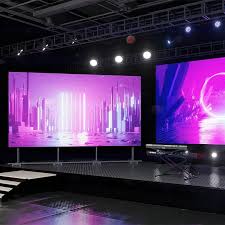
Modern LED LCDs typically employ In-Plane Switching (IPS) or Vertical Alignment (VA) panel technologies with resolution standards ranging from Full HD (1920×1080) to 4K UHD (3840×2160) and beyond. Key technical parameters include brightness levels between 250 to 1000 nits, contrast ratios of up to 4000:1, and color gamut coverage exceeding 90% DCI-P3 for high-fidelity imaging.
Practical Applications Across Industries
The versatility of LED LCD screens makes them indispensable in various sectors:
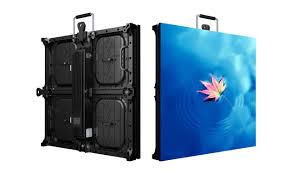
1. Consumer Electronics – Smartphones, tablets, and smart TVs rely on LED LCDs for vibrant displays, low power consumption, and sleek form factors.
2. Automotive Displays – Instrument clusters, infotainment systems, and heads-up displays have adopted LED LCDs for their durability and visibility under diverse lighting conditions.
3. Healthcare – Medical monitors benefit from accurate color reproduction and high brightness to support diagnostic imaging.
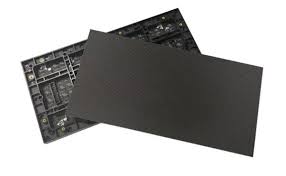
4. Commercial Signage and Digital Out-of-Home Advertising (DOOH) – Large-format LED LCD displays provide dynamic, eye-catching advertising with seamless integration into urban environments.
5. Industrial and Military Applications – Ruggedized LED LCDs designed for harsh environments maintain performance with robustness and reliability.
Advantages Over Conventional Display Technologies
LED LCD displays offer several considerable advantages:
- Energy Efficiency: LED backlighting consumes less power than traditional cold cathode fluorescent lamp (CCFL) backlights, aligning with international energy standards such as Energy Star and RoHS compliance.
- Longevity and Reliability: LEDs provide longer lifespan (typically 50,000+ hours) and more stable luminance over time.
- Slim and Lightweight Design: Enables ultra-thin panels enhancing portability and aesthetic appeal.
- Superior Contrast and Color: Dynamic local dimming techniques in direct-lit LED configurations boost contrast to levels competitive with OLED displays.
- Environmental Benefits: Reduced use of hazardous materials and lower heat emission contribute to greener manufacturing practices.
Common Challenges and Mitigation Strategies
Despite progressive advancements, the industry faces several challenges:
- Backlight Uniformity Issues: Edge-lit LED configurations can exhibit brightness inconsistencies and color shifts at panel edges. This is mitigated through advanced light guide plates (LGPs) and quantum dot enhancement films (QDEF).
- Heat Dissipation: High brightness levels generate thermal stress, potentially accelerating panel degradation. Effective thermal management via heat sinks, thermoelectric cooling, and material selection is critical.
- Response Time Lag: LCD switching mechanisms can introduce motion blur artifacts, especially in fast-moving video content. Overdrive circuitry and higher refresh rates (e.g., 120Hz and above) alleviate this problem.
- Manufacturing Complexity: Achieving high pixel density without sacrificing panel yield demands stringent quality control and precision in cell alignment and thin-film transistor (TFT) fabrication.
- Cost Constraints: Advanced materials like quantum dots and mini-LED arrays typically raise production costs, necessitating optimization for mainstream commercial viability.
Emerging Trends and Industry Outlook
The LED LCD display industry is currently witnessing transformative developments:
- Mini-LED and Micro-LED Backlighting: These technologies incorporate thousands of tiny LEDs enabling finer local dimming zones, significantly improving contrast and HDR performance. Mini-LED LCDs provide a cost-effective bridge between conventional LED LCDs and OLEDs.
- Quantum Dot Integration: Quantum dots are increasingly used to expand color gamut and boost brightness while maintaining energy efficiency. They fulfill the growing demand for vivid, cinema-grade picture quality.
- Flexible and Transparent Displays: Innovations in flexible substrates and transparent LED LCDs are opening new applications in wearable devices, augmented reality (AR), and heads-up displays (HUDs).
- AI-Driven Display Calibration: Artificial intelligence algorithms optimize color accuracy, gamma correction, and backlight control in real-time, enhancing user experience.
- Sustainability Focus: Manufacturers are adopting eco-friendly materials, reducing hazardous chemical usage, and improving recyclability as part of corporate social responsibility.
Industry Standards and Compliance
Adherence to rigorous standards such as ISO 9241-307 for visual ergonomics, IEC 62368 for safety, and ANSI/IES LM-79 for photometric measurements ensures product reliability and consumer protection. OEMs must navigate global regulatory frameworks related to electromagnetic compatibility (EMC) and environmental regulations, which directly impact manufacturing processes.
Conclusion
LED LCD screen manufacturing is a dynamic domain at the intersection of optical engineering, material science, and electronics manufacturing. The practical benefits of LED LCD technology, including high efficiency, image quality, and wide applicability, position it as a cornerstone in display technology. Awareness of manufacturing challenges and proactive adoption of emerging innovations such as mini-LED backlighting and quantum dot enhancements are essential for producers aiming to sustain competitive advantage.
For manufacturers, design engineers, and end-users, a comprehensive understanding of these parameters facilitates informed decisions, driving forward the next generation of LED LCD display solutions that meet both market demands and technological expectations.
—
References:
- Society for Information Display (SID) Technical Digest, 2024
- International Electrotechnical Commission (IEC) Standards
- Energy Star Program Requirements for Displays, EPA 2023
- Semiconductor Industry Association Reports, 2024
- Recent peer-reviewed studies in Journal of Display Technology (IEEE)













