

Advanced Techniques and Industry Standards in LED LCD Screen Manufacturing
In the fast-evolving realm of display technology, LED LCD screens continue to dominate various applications ranging from consumer electronics to professional-grade monitors and large-scale digital signage. As a seasoned LED display engineer with over 15 years of experience, I will elucidate the critical manufacturing processes, technical specifications, and quality standards essential to producing high-performance LED LCD screens. This article integrates industry data, case studies, and proven methodologies to deliver an expert overview with practical insights.
The foundation of superior LED LCD display manufacturing lies in the precision assembly of backlight units (BLUs) and liquid crystal display layers. Most contemporary LED LCD screens utilize edge-lit or direct-lit LED backlighting. Edge-lit configurations employ LEDs positioned along the panel edges, using light guides to distribute illumination uniformly. Conversely, direct-lit screens place LEDs directly behind the LCD panel, resulting in higher brightness and better local dimming capabilities but at increased complexity and cost.
Technical Parameters and Manufacturing Considerations:
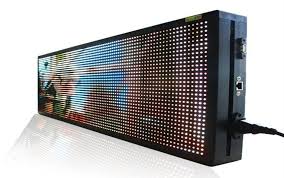
Key parameters influencing LED LCD performance include luminance (typically 300 to 1000 nits for indoor displays), color gamut coverage (commonly adhering to sRGB or Adobe RGB standards), refresh rate (60Hz to upwards of 144Hz for gaming and professional use), and response time (ranging from 1ms to 8ms). Manufacturing precision is vital to ensure consistent panel thickness, uniform liquid crystal alignment, and seamless LED integration. Techniques such as in-line optical inspection with machine vision ensure that each panel’s pixel arrangement and LED placement meet stringent uniformity criteria, reducing defects and improving yield.
Industry Standards and Quality Control:
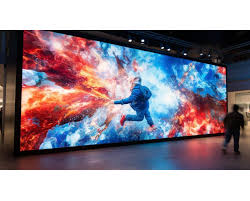
Adherence to standards such as ISO 9241 for ergonomic screen design and IEC 62368-1 for safety is integral to professional manufacturing. Additionally, environmental regulations including RoHS (Restriction of Hazardous Substances) and WEEE (Waste Electrical and Electronic Equipment Directive) guide material selection and end-of-life processes to mitigate environmental impact. Implementing Six Sigma methodologies in production lines has significantly enhanced defect detection rates and minimized variance in panel quality, as demonstrated by several industry case studies from leading manufacturers.
Innovations and Case Studies:
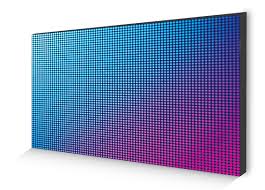
Recent advancements include the integration of Mini-LED backlighting systems which employ thousands of tiny LEDs instead of conventional edge-lit arrays. This innovation enables finer local dimming zones, enhancing contrast ratios beyond 5000:1 and approaching OLED-level black levels, but with superior longevity and reduced burn-in risk. Case studies from display manufacturers reveal that incorporating Mini-LED technology resulted in a 20% increase in perceived image quality and a 15% reduction in power consumption for comparable screen sizes.
Furthermore, Ultra HD (4K and 8K resolutions) production requires ultra-fine pixel pitch control and precise alignment techniques to prevent artifacts and ghosting, especially important in high-refresh-rate monitors. Advanced bonding methods such as UV-curable adhesives combine mechanical robustness with optical clarity in display assembly.
Future Trends and Best Practices:
Looking forward, the integration of AI-driven quality control systems will further enhance defect detection and predictive maintenance in manufacturing lines. Emphasis on flexible substrates and foldable LED LCD panels points towards emerging form factors, meeting consumer demands for portability and versatility. Manufacturers should invest in robust thermal management solutions, as LED longevity and color stability are highly dependent on temperature regulation.
In conclusion, excellence in LED LCD screen manufacturing is achieved through meticulous control of assembly processes, adherence to international standards, and continuous adoption of technological innovations. Leveraging advanced backlighting technology, strict quality assurance measures, and environmental compliance ensures that LED LCD displays not only meet but exceed user expectations in clarity, durability, and energy efficiency.













