

MIP LED Technology: Revolutionizing Indoor and Outdoor Display Solutions
Micro-Indoor-Panel (MIP) LED technology has rapidly emerged as a game-changer in the LED display industry. Combining superior pixel pitch precision, enhanced brightness, and modular flexibility, MIP LED displays cater to both indoor and outdoor applications with exceptional visual performance. With the global digital signage market expected to exceed USD 30 billion by 2028 (Fortune Business Insights, 2023), MIP LED solutions present a reliable, scalable, and cost-effective choice for businesses seeking high-definition display solutions.
What is MIP LED Technology?
MIP LED is a proprietary display technology characterized by ultra-small pixel pitch sizes, typically ranging from 0.9 mm to 1.9 mm, enabling high-resolution imagery even at close viewing distances. Unlike conventional LED modules, MIP employs advanced surface-mounted device (SMD) LEDs combined with innovative micro-assembly and calibration techniques to enhance color uniformity, brightness stability, and heat dissipation.
Technical Advantages of MIP LED
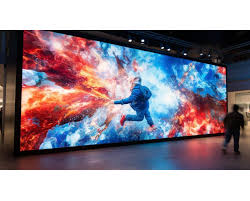
1. High Pixel Density: MIP LED modules feature pixel densities exceeding 277,000 pixels per square meter for 0.9 mm pitch models, supporting seamless full HD and 4K content rendition in compact form factors. This density rivals traditional LCD panels while maintaining superior contrast and refresh rates.
2. Brightness and Contrast: Typical brightness levels range from 600 to 1,200 nits for indoor applications, extendable to 5,000 nits or more with outdoor modified versions. This results in crisp images under varied lighting conditions, supported by a contrast ratio surpassing 5,000:1, benefiting from LED self-emission characteristics.
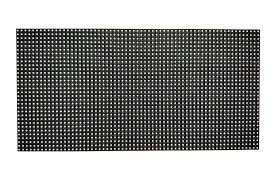
3. Refresh Rate and Gray Scale: MIP LEDs commonly operate at refresh rates above 3,840 Hz, eliminating flicker on camera capture — essential for broadcasting and live events. The 14-16 bit gray scale depth allows smooth color gradients and detailed visual fidelity.
4. Modular Design and Maintenance: The modular architecture of MIP LED systems facilitates straightforward installation, servicing, and scale upgrades. Each cabinet is often lightweight, around 8-10 kg/m², easing structural support requirements and transport logistics.
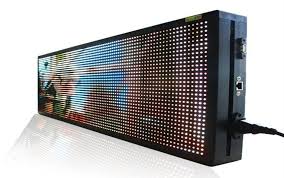
Applications Across Industries
MIP LED technology's flexibility suits various sectors:
- Corporate and Retail Environments: High-resolution video walls create engaging customer experiences and dynamic branding opportunities.
- Broadcast Studios and Event Spaces: Flicker-free displays with high refresh rates ensure perfect on-camera visuals, critical for live productions.
- Transportation Hubs and Public Spaces: Robust build and high brightness guarantee legibility under direct sunlight and extensive operational time.
- Control Rooms and Command Centers: Accurate color and reliable data visualization improve operational efficiency.
Installation and Environmental Considerations
Adhering to industry standards such as IEC 60598 (Lighting equipment – General requirements), installation integrity governs display longevity. MIP LED systems typically employ IP30 to IP65-rated enclosures depending on usage, ensuring dust and moisture resistance. Thermal management through aluminum backplanes and active airflow prevents overheating, maintaining performance stability in environments spanning from 0°C to 40°C.
Case Study: MIP LED in a Global Airport Terminal
An international airport integrated a 150-square-meter MIP LED video wall for passenger information and advertising. The 1.2 mm pixel pitch display produced crystal-clear images visible across large concourse spaces, enhancing traveler engagement. The system’s energy consumption averages 220 W/m², attaining a balance between brightness and operational cost. Maintenance downtime reduced by 30% due to the panel’s front-access modular design.
Future Trends
With continuous improvements in Micro-LED technology, next-generation MIP solutions will likely improve pixel density beyond the sub-millimeter range, reduce power consumption, and incorporate AI-driven calibration for self-optimizing displays. Integration with IoT and 5G infrastructure is set to enhance content delivery and real-time analytics capabilities.
Conclusion
MIP LED technology represents a sophisticated leap forward in display engineering, combining fine pixel pitch resolution, modular convenience, and robust performance. Its versatility across diverse applications underscores its importance in modern digital signage and broadcast industries. Professionals selecting LED solutions should consider MIP technology for projects requiring superior image quality and operational reliability.
References:
- Fortune Business Insights (2023). Digital Signage Market Size and Forecast.
- IEC 60598-1:2014 - Lighting equipment.
- LEDinside (2024). Micro-LED Display Technology Trends.
- AVIXA (2023). Best Practices for Display Installation and Maintenance.













