

Advanced LED LCD Screen Manufacturing: Practical Applications, Benefits, Challenges and Emerging Trends
In the rapidly evolving landscape of display technology, LED LCD screens have established themselves as a cornerstone in numerous industries ranging from consumer electronics to professional signage and medical imaging. Mastering the manufacturing process of LED LCD screens is crucial for delivering products that meet the increasing demands for clarity, energy efficiency, and durability. This article delves into the critical aspects of LED LCD screen production, explores their practical applications, highlights their inherent advantages, examines common issues faced during use and manufacturing, and discusses the latest industry trends shaping their future.
Understanding LED LCD Screen Manufacturing
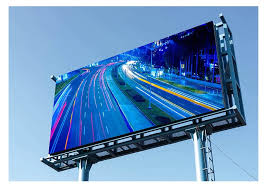
The integration of LED (Light Emitting Diode) backlighting within LCD (Liquid Crystal Display) panels has revolutionized display performance. Unlike traditional cold cathode fluorescent lamps (CCFLs), LEDs provide superior luminance, longer lifespans, and improved color gamut. The manufacturing process involves layering thin film transistor (TFT) technology with liquid crystal layers, encapsulated by glass substrates. High precision in assembling these layers is essential to achieve high resolution and uniform brightness.
Typical technical parameters include:
- Resolution: Ranges from HD (1366x768 pixels) to 8K (7680x4320 pixels) depending on application.
- Refresh Rate: Most commercial LED LCD displays operate between 60Hz to 240Hz, critical especially for gaming and high-speed video playback.
- Brightness: LED backlighting can achieve brightness levels of up to 1500 nits, beneficial for outdoor or high ambient light environments.
- Contrast Ratio: Modern LED LCDs reach ratios upwards of 100,000:1 with local dimming technology.
- Color Accuracy: The use of quantum dots and advanced color filters enhances color reproduction covering up to 99% of the AdobeRGB color space.
Practical Applications
The versatility of LED LCD screens positions them in a broad spectrum of applications:
- Consumer Electronics: TVs, smartphones, laptops, and tablets predominantly use LED LCD technology due to its balance of cost and performance.
- Professional and Commercial Displays: Digital signage, video walls, control rooms, and broadcasting benefit from large size formats and scalable brightness.
- Automotive Displays: Instrument clusters and infotainment systems rely on LED LCDs for clear visibility under varying lighting conditions.
- Medical Imaging: High resolution and precise color reproduction are vital for diagnostics on LED LCD-based medical monitors.
- Industrial and Military: Ruggedized LED LCDs with enhanced durability and anti-reflective coatings are used in harsh environments.
Advantages of LED LCD Screens
- Energy Efficiency: LEDs consume significantly less power than traditional backlights, contributing to longer device battery life and lower operational costs.
- Slim Form Factor: The compactness of LED light sources allows for thinner and lighter displays, facilitating modern sleek device designs.
- Improved Color and Brightness: Local dimming techniques in LED arrays provide better contrast and vivid color reproduction compared to traditional LCDs.
- Enhanced Longevity: LED backlights have operational lifespans exceeding 50,000 hours, outperforming CCFLs and other technologies.
- Wide Viewing Angles: Innovations in in-plane switching (IPS) panels combined with LED backlighting enhance viewing angles without color degradation.
Common Problems in LED LCD Manufacturing and Usage
Despite their advantages, LED LCD screens face several challenges:
- Backlight Bleeding: Uneven distribution of LED light causing visible light leakage at screen edges, affecting image uniformity.
- Persistence of Image Retention: Also known as “ghosting,” where static images remain faintly visible even after switching display content.
- Dead or Stuck Pixels: Manufacturing defects in TFT arrays lead to pixels that do not display correctly, demanding stringent quality control.
- Thermal Management Issues: Intensive backlighting can generate heat requiring efficient thermal dissipation solutions to avoid premature component failure.
- Color Shift and Calibration: Over time or due to manufacturing variances, color reproduction can drift, necessitating device recalibration, especially in professional-grade displays.
Industry standards such as ISO 9241-307 for ergonomic requirements of visual displays and IEC 62680 for display energy efficiency guide manufacturers in quality and safety benchmarks.
Emerging Trends and Innovations
The LED LCD market continues evolving in response to consumer and industrial demands:
- Quantum Dot Enhancement: Integration of quantum dots in LED backlights is now common, dramatically widening color gamut and improving power efficiency.
- Mini and Micro LED Backlighting: These technologies offer higher brightness, superior local dimming with thousands of individual LEDs, and reduced blooming effects.
- Flexible and Transparent LED LCDs: Advanced materials enable curved, foldable, and even transparent displays, opening new design possibilities.
- AI-Powered Calibration: Artificial intelligence algorithms are increasingly used to optimize color performance and reduce energy consumption dynamically.
- Sustainability Focus: Manufacturers are developing eco-friendly materials and recycling processes to reduce environmental impact throughout the product lifecycle.
Conclusion
Understanding the intricacies of LED LCD screen manufacturing is vital for producing displays that meet modern performance standards. The technology’s widespread application showcases its adaptability, from everyday consumer devices to mission-critical industrial systems. Addressing common issues via stringent quality controls and embracing the latest innovations like mini LED and quantum dot enhancement will define the next generation of LED LCD screens. Staying abreast of evolving industry standards and integrating sustainable practices will ensure the longevity and relevance of this pivotal technology in the global display market.













