

Advances and Best Practices in LED Display Manufacturing for High-Quality Visual Solutions
In the rapidly evolving world of display technology, LED (Light Emitting Diode) displays have solidified their position as a leading choice across numerous applications, ranging from consumer electronics and digital signage to large-scale outdoor installations. As a seasoned LED display engineer, with extensive experience in manufacturing, design, and quality assurance, this article delves into the critical technical parameters, manufacturing best practices, and emerging trends shaping the LED display industry today.
Introduction
LED display technology offers significant advantages over traditional LCD and plasma displays, including superior brightness, energy efficiency, wider viewing angles, faster response times, and longer operational lifespans. However, designing and producing high-performance LED displays requires rigorous control over component quality, assembly techniques, and testing standards. This ensures optimal color accuracy, uniform brightness distribution, durability, and fail-safe operation—elements essential for maintaining the credibility and usability of LED displays in demanding environments.
Main Body
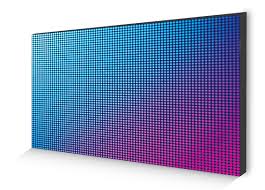
1. Key Technical Parameters in LED Display Manufacturing
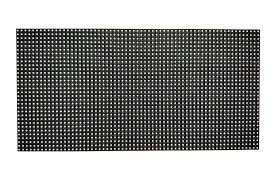
The foundational step in manufacturing LED displays is selecting and controlling critical technical parameters:
- Pixel Pitch: This is the distance between individual LED pixels, usually measured in millimeters. It directly influences resolution and viewing distance. For indoor displays, pixel pitches range typically from 0.9mm to 3mm, enabling high-resolution images for close viewing, whereas outdoor displays have pitches from 3mm to over 10mm to accommodate longer viewing distances and enhanced brightness.
- Brightness and Contrast Ratio: Outdoor LED screens must achieve brightness levels up to 7000 nits or more to maintain visibility under direct sunlight. Indoor displays generally operate between 800 to 1500 nits. The contrast ratio—often exceeding 5000:1—ensures vivid color reproduction.
- Refresh Rate: High refresh rates above 1920 Hz are critical for flicker-free video display, especially for broadcast applications and camera shooting compatibility.
- Color Accuracy and Uniformity: Achieving color uniformity across large panels calls for precise calibration and binning of LEDs. Color temperature usually centers around 6500K for natural white balance.
- Energy Efficiency: Modern displays benefit from innovative driver ICs and efficient LED chips to minimize power consumption while maximizing luminosity.
2. Manufacturing Process Best Practices
Reliable and high-quality LED displays are the culmination of meticulous production steps:
- Chip Selection and Binning: Selecting LEDs from reputable manufacturers such as Nichia, Osram, or Cree with stringent binning ensuring homogeneity in brightness and wavelength.
- Module Assembly: Incorporates automated pick-and-place machines for accurate LED placement, followed by soldering and PCB (Printed Circuit Board) fabrication under controlled environments to prevent contamination and ensure electrical integrity.
- Encapsulation & Protection: Usage of silicone or epoxy resin encapsulants protects LEDs from moisture and mechanical impact, essential for outdoor durability.
- Quality Control and Testing: Rigorous testing regimes, including thermal cycling, humidity testing (meeting standards like IEC 60068), and electrical stress tests ensure product reliability. Automated optical inspection (AOI) and photometric testing measure uniformity and detect dead pixels.
- Calibration: Utilizing colorimeters and spectroradiometers, displays undergo fine calibration for brightness and color accuracy, essential for video wall synchronization and multi-module displays.
3. Emerging Trends and Innovations
The LED display industry continually innovates to address evolving market needs:
- Mini-LED and Micro-LED Technologies: These variants offer even smaller pixel pitches and superior contrast, bridging the gap between traditional LEDs and OLEDs by enabling higher pixel densities and improved dynamic range.
- Flexible and Transparent LED Displays: New form factors are enabling seamless integration into architectural elements and vehicle displays.
- AI-Powered Quality Control: Implementing machine learning algorithms enhances defect detection and predictive maintenance, reducing manufacturing costs and lead times.
- Sustainability and Eco-Friendly Materials: Industry moves towards recyclable materials and lower power consumption align with global environmental goals.
Conclusion
In conclusion, LED display manufacturing is a sophisticated interplay of advanced materials, precision engineering, and stringent quality control. Understanding and mastering the key technical parameters—such as pixel pitch, brightness, refresh rate, and color uniformity—are fundamental to delivering superior products. Adhering to best manufacturing practices and embracing emerging innovations like mini-LEDs and AI-enhanced quality control will continue to elevate the performance and reliability of LED displays worldwide. For manufacturers, engineers, and end-users, staying abreast of these developments guarantees not only aesthetic excellence but also operational longevity and environmental responsibility.
By aligning production with industry standards such as the IEC 60068 series for environmental testing and adhering to recommendations from authoritative organizations like the International Electrotechnical Commission (IEC), companies can assure their customers premium quality LED display solutions tailored for diverse applications.













