

Comprehensive Insights into LED LCD Screen Manufacturing: Applications, Advantages, Challenges, and Emerging Trends
In the realm of modern display technologies, LED LCD screens represent a pivotal advancement combining the efficiency of Light Emitting Diodes (LEDs) with the refined image quality of Liquid Crystal Displays (LCDs). As a professional LED display engineer with extensive experience in manufacturing, design, and quality optimization, this article explores the technical parameters, practical applications, advantages, common challenges, and the latest trends shaping the future of LED LCD screen technology.
Technical Overview and Manufacturing Essentials
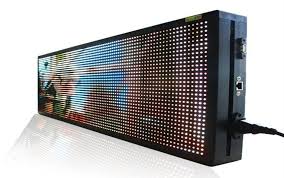
LED LCD screens utilize an array of LEDs as a backlight source to illuminate the liquid crystal panel. This combination delivers superior brightness, color accuracy, and energy efficiency compared to traditional CCFL-backlit LCDs. Typical parameters to consider include:
- Resolution: Ranges from Full HD (1920x1080) to 8K (7680x4320) in premium displays. Higher resolution demands stringent quality control of thin-film transistor (TFT) arrays and precise LED backlight uniformity.
- Brightness: Standard LED LCD panels operate between 250 cd/m² to over 1000 cd/m² for specialized displays such as outdoor or professional use. LED backlighting enhances brightness without compromising energy consumption.
- Contrast Ratio: Typical LED LCDs offer a contrast ratio of 1000:1 to 5000:1, with improvements arising from advanced local dimming techniques that dynamically control LED segments.
- Color Gamut: LED backlights facilitate wider color gamuts (up to 100% sRGB and 90% AdobeRGB) compared to traditional CCFL sources, providing vibrant, true-to-life color reproduction.
- Power Consumption: LEDs reduce power draw by 20-40% relative to older backlighting systems, contributing to sustainability and cost-effectiveness.
Manufacturing processes integrate precise LED placement, careful selection of the liquid crystal material, and rigorous testing following industry standards such as ISO 9241 for ergonomic visual display quality and IEC 62676 for performance evaluation.
Practical Applications
The versatility of LED LCD screens spans across various sectors:
- Consumer Electronics: Television sets, smartphones, laptops, and tablets benefit from durable LED backlights yielding longer lifespan and richer imagery.
- Medical Displays: Ultra-high resolution, accurate color rendering, and consistent luminance are critical for diagnostic tools and monitors used in radiology and imaging. LED LCDs meet these strict standards ensuring reliable clinical use.
- Industrial Control Panels: Enhanced visibility in brightly lit or harsh environments makes LED LCDs ideal for factory automation, transport, and military-grade interfaces.
- Digital Signage and Advertising: Outdoor and indoor digital billboards take advantage of high brightness and durability of LED LCD backlighting to maintain visibility and impact over extended periods.
- Automotive Displays: Dashboard screens and infotainment systems utilize LED LCDs for their adaptability across temperature ranges and fast response times.
Advantages of LED LCD Screens
LED LCDs offer numerous benefits that have accelerated their adoption:
- Energy Efficiency: Reduced energy consumption leads to lower operating costs and environmental impact.
- Enhanced Image Quality: Better contrast ratios, increased brightness, and expanded color gamut improve user experience.
- Thin Form Factor: LEDs allow thinner panels enabling slimmer device designs.
- Longevity and Durability: LEDs have longer lifespans (often exceeding 50,000 hours) compared to CCFL, minimizing maintenance.
- Eco-friendliness: LED backlights contain no mercury, simplifying disposal and compliance with environmental regulations such as RoHS (Restriction of Hazardous Substances Directive).
Common Challenges in Manufacturing and Deployment
Despite their advantages, LED LCD screens face several common issues:
- Backlight Uniformity: Achieving consistent illumination across the panel is complex; edge-lit LEDs can cause hotspots or dim areas if not precisely engineered.
- Heat Dissipation: High brightness LEDs generate heat that can degrade liquid crystal performance or cause color shifts; effective thermal management is essential.
- Viewing Angle Limitations: Traditional LCDs have narrow viewing angles which can be somewhat mitigated with IPS (In-Plane Switching) technology, but still present challenges compared to OLED displays.
- Response Time: Although improved, LED LCD response times may lag compared to emerging technologies, impacting high-speed video or gaming applications.
- Cost of High-end Panels: Premium features like 8K resolution or advanced local dimming increase production costs and market prices.
Solutions include refined LED placement techniques, use of diffuser films, integration of aluminum backplates for thermal management, and advanced driving electronics. Industry adherence to standards such as TCO Certified for sustainability and ergonomics further standardizes quality.
Emerging Trends and Innovations
The LED LCD sector is rapidly evolving with innovations enhancing performance and broadening applications:
- Mini-LED and Micro-LED Backlighting: Miniaturized LEDs enable higher local dimming zones, delivering contrast ratios comparable to OLED while maintaining LED LCD advantages. Micro-LEDs promise self-emissive panels that may redefine LED LCD technology boundaries.
- Quantum Dot Enhancement: Integration of quantum dot films in LED backlights expands color gamut and brightness, establishing a new benchmark exemplified by QLED displays.
- Flexible and Transparent Displays: Research into flexible LED backlighting combined with flexible LCD panels is opening avenues for novel form factors in wearable devices and automotive interiors.
- AI-Driven Calibration: Machine learning algorithms are applied to optimize color calibration and uniformity in real-time, personalizing display performance for users and environments.
- Sustainability Initiatives: Manufacturers emphasize recyclable materials and energy-efficient manufacturing, complying with the latest Environmental Product Declarations (EPD).
Conclusion
LED LCD screens blend sophisticated backlighting engineering with the proven efficacy of liquid crystal technology, offering a well-balanced display solution suited for diverse applications worldwide. As manufacturing techniques mature and new technologies such as Mini-LED and quantum dots integrate, LED LCD displays will continue to evolve, addressing existing challenges and enhancing user experience. Stakeholders in manufacturing, product development, and deployment must remain aligned with evolving industry standards and sustainability practices to leverage the full potential of this indispensable technology.
References:
- International Electrotechnical Commission, IEC 62676 - Video surveillance performance evaluation
- ISO 9241 - Ergonomics of human-system interaction - Displays
- RoHS Directive (2011/65/EU) - Restriction of Hazardous Substances
- SID (Society for Information Display) Technical Papers on Quantum Dot and Mini-LED technology
- TCO Certified Display Standard, Version 9.0
- "Advances in Liquid Crystal Displays," Journal of Display Technology, IEEE, 2023













