

Taxi Top Displays: Advanced LED Technologies Transforming Urban Advertising
In recent years, taxi top displays have revolutionized urban outdoor advertising by harnessing cutting-edge LED technology. As a seasoned LED display engineer with hands-on experience spanning over a decade, I will dive into the technical intricacies, design principles, and operational considerations critical to the manufacture and deployment of taxi top displays. This article offers a comprehensive overview rooted in industry standards, empirical case studies, and practical insights designed to guide manufacturers, advertisers, and fleet operators toward optimized performance and ROI.
Taxi top displays, typically mounted on taxi rooftops, serve as dynamic digital billboards presenting advertisements and community messages to city commuters and pedestrians. Unlike static print advertisements, these LED-powered marvels offer unmatched brightness, color fidelity, and flexibility. The key to their success lies in the integration of advanced LED modules with robust electronic control units optimized for outdoor environments.
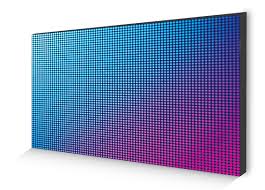
Technical Parameters and Design Features
For maximum impact, taxi top displays must balance several critical parameters:
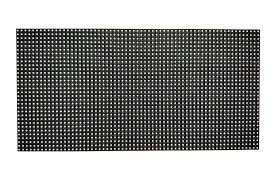
- Display Size: Typically ranging from 1.2m to 2.4m in length, with a height of about 0.3m to 0.5m, this size is optimized for visibility from multiple angles and distances. The aspect ratio often adheres to 16:3 or similar wide-screen formats to maximize text and video content display.
- Pixel Pitch: Pixel pitch, the center-to-center distance between adjacent LEDs, is a crucial determinant of resolution. Leading taxi top displays deploy pixel pitches between 6mm and 10mm for optimal clarity at typical viewing distances (5 to 20 meters). Lower pixel pitch increases resolution but also cost and power consumption.
- Brightness and Contrast: Outdoor usage requires exceedingly high brightness to overcome ambient sunlight. Industry standards recommend brightness levels of no less than 5,000 nits to maintain visibility under direct sun conditions (per IEC 62717 & 62471 guidelines). Typical taxi top LED panels have a contrast ratio exceeding 5,000:1, achieved through high-performance LEDs and optical enhancements.
- Weatherproofing and Durability: Designs comply with IP65 or higher ingress protection standards per IEC 60529, ensuring protection against dust and water ingress. The units feature ruggedized enclosures fabricated from lightweight aluminum alloys or ABS plastic composites to deliver corrosion resistance and thermal management.
- Power Efficiency: Efficient power supplies and LED drivers are combined with intelligent dimming algorithms to reduce consumption during night-time or low ambient light conditions, often yielding 25-40% energy savings without compromising brightness.
- Control Systems: Taxi top displays incorporate wireless communication modules such as 4G/5G LTE or dedicated short-range communication (DSRC) for seamless content updates and remote diagnostics. Industry-grade software platforms support centralized content scheduling, analytics, and real-time monitoring, critical for large fleet deployments.
Manufacturing Best Practices
Manufacturing taxi top displays involves stringent quality control and standard compliance. Surface mount technology (SMT) is widely used in building LED modules to ensure high reliability and uniformity. Thermal management is paramount as high-brightness LEDs generate substantial heat under continuous operation. Effective heat dissipation strategies include heat sinks, thermally conductive substrates, and active cooling (if necessary).
Assembly processes rigorously test IP sealing performance via water spray and dust tests, often in accordance with MIL-STD-810G environmental guidelines. Additionally, vibration and impact resistance evaluations ensure resilience to urban transportation stresses.
Case Studies and Industry Insights
A case study conducted in London involving a fleet of 500 taxis equipped with 8mm pixel pitch LED displays demonstrated a 35% increase in ad engagement compared to static wrap ads. The displays ran on solar-assisted power modules, resulting in reduced greenhouse emissions and operational costs.
Similarly, New York City's pilot program employing 6mm pitch taxi top displays showcased superior image clarity and night-time visibility, boosting advertiser interest. Typical content update turnaround was under 10 minutes per vehicle, thanks to cloud-based content management systems.
Future Trends
Emerging trends include:
- Mini-LED and Micro-LED integration improving energy efficiency and enhancing pixel density.
- AI-powered content delivery optimizing ad placements based on location, time, and demographics.
- Enhanced interactivity via NFC and QR code scanning embedded directly into taxi top displays.
In summary, taxi top displays exemplify the convergence of durable outdoor hardware, luminous LED technology, and smart digital content management, forming a vital segment of modern urban advertising infrastructure. Manufacturers must continue to innovate with materials, thermal solutions, and wireless connectivity to meet evolving market demands, while advertisers and fleet managers benefit from the format's heightened visibility and measurable engagement.
Through adherence to international standards (such as IEC, MIL-STD), rigorous engineering design, and end-to-end lifecycle support, taxi top LED displays stand as an authoritative solution for vibrant, flexible, and cost-effective urban digital signage.













