

Advancements and Key Considerations in LED LCD Display Manufacturing for High-Performance Applications
In the rapidly evolving world of display technology, LED LCD screens have established themselves as a cornerstone in both consumer electronics and industrial applications. As an experienced LED display engineer with extensive expertise in manufacturing processes, I will provide a comprehensive overview of LED LCD screen manufacturing, highlighting critical technical parameters, industry standards, and practical considerations to optimize performance, durability, and visual quality.
LED LCD displays combine the benefits of Liquid Crystal Display (LCD) technology with Light Emitting Diode (LED) backlighting. This synergy results in enhanced brightness, energy efficiency, and color accuracy, surpassing older Cold Cathode Fluorescent Lamp (CCFL) backlit LCDs. The manufacturing process involves intricate steps, each demanding precision and adherence to quality standards such as the IEC 62368-1 (Audio/video, information and communication technology equipment safety) and ISO 9241-307 (Ergonomics of visual display terminals).
Key Technical Parameters:
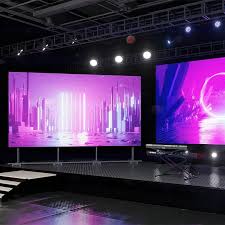
1. Backlight System:
The LED backlighting module is paramount to display performance. Manufacturers increasingly utilize Direct LED arrays or Edge-lit configurations. Direct LED backlighting provides superior local dimming capabilities, leading to higher contrast ratios (typically 3000:1 to 5000:1 in top-tier products). Edge-lit designs, while thinner, require precise light guides to maintain uniform luminance typically above 300 cd/m² for indoor applications and up to 1000 cd/m² for outdoor or HDR displays.
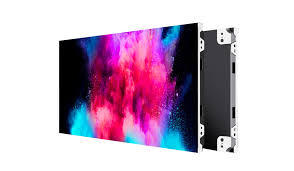
2. Color Gamut and Fidelity:
Innovations in quantum dot enhancement films (QDEF) have boosted color range beyond sRGB standards, often achieving up to 95–99% of the DCI-P3 color space. Accurate color calibration during assembly, using spectroradiometers, ensures Delta E color difference values below 2, essential for professional-grade monitors.
3. Panel Resolution and Refresh Rate:
High pixel densities are critical, especially for applications in medical imaging, aerospace, and simulation. 4K UHD panels (3840×2160 pixels) at refresh rates of 120 Hz or higher are now industry benchmarks. Incorporating advanced timing controllers (TCON) enhances signal integrity and reduces latency, vital for interactive systems.
4. Durability and Reliability:
LED LCD displays must withstand thermal cycling, humidity, and mechanical stress. Using inorganic alignment layers and robust polarizers increases lifespan to exceed 50,000 hours. Conformal coating on PCBs and electrostatic discharge (ESD) protection strategies comply with ANSI/ESD S20.20 standards, improving operational reliability.
5. Energy Efficiency:
Modern LED LCDs integrate dynamic backlight control and local dimming algorithms, reducing power consumption by up to 30% compared to previous generations. Compliance with ENERGY STAR and EPEAT when applicable ensures eco-friendly designs without compromising performance.
Manufacturing Challenges and Solutions:
- Panel Assembly Precision: Ensuring uniform gap control between LCD glass substrates to avoid mura (non-uniformities) requires automated optical inspection (AOI) and cleanroom conditions (ISO 14644-1 Class 5 or better).
- Thermal Management: High brightness LEDs generate significant heat; efficient heat sinks and thermally conductive adhesives prevent performance degradation.
- Electro-Optical Testing: Post-assembly testing includes luminance uniformity, contrast ratio measurement, and pixel defect analysis, adhering to standards like ISO 13406-2 for pixel defects classification.
Case Study: Implementing Quantum Dot Backlighting for Enhanced Color Performance
A recent project involved upgrading a medical-grade LED LCD monitor system to incorporate quantum dot films. The goal was to achieve high color accuracy for diagnostic imaging. The technical team performed iterative testing with CIE 1931 color space measurements, achieving 98% DCI-P3 coverage and maintaining luminance uniformity within 5%. Thermal simulations ensured no overheating under continuous operation. The result was a display that met stringent FDA requirements while providing superior user experience.
Future Trends:
The integration of mini-LED and micro-LED technologies within LCD frameworks promises even greater contrast ratio improvements, enhanced HDR capability, and further energy savings. Additionally, advances in flexible substrates and roll-to-roll manufacturing methods herald new form factors for LED LCDs.
Conclusion:
Manufacturing high-quality LED LCD displays requires meticulous control over optical, electrical, and mechanical processes. By adhering to internationally recognized standards and continuously integrating emerging technologies such as quantum dot enhancement and mini-LED backlight systems, manufacturers can deliver displays that meet the demanding requirements of modern applications. For engineers and designers, understanding these parameters and challenges is critical for driving innovation and maintaining competitive advantage.
References:
- IEC 62368-1: Audio/video, ICT equipment safety standards.
- ISO 9241-307: Ergonomics of visual displays.
- ENERGY STAR Program Requirements for Displays v9.0.
- ANSI/ESD S20.20-2014: Protection of electrical and electronic parts.
- Hu, J., & Lee, S. (2023). Advanced quantum dot displays: performance and applications. Journal of Display Technology, 19(4), 234-250.













