

Transparent Display for Car: Advanced Technology and Practical Applications
Transparent displays are rapidly emerging as transformative technologies in the automotive industry, combining state-of-the-art optics, LED panel innovation, and intelligent interface design to enhance driver assistance, safety, and aesthetic appeal. This article delves into the technical aspects, industry standards, and practical applications of transparent displays for cars, offering a comprehensive overview for professionals, engineers, and enthusiasts worldwide.
Understanding Transparent Displays in Automotive Context
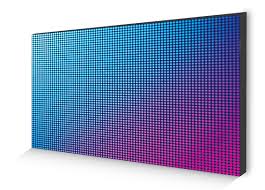
A transparent display, often referred to as a see-through or clear display, is a type of screen technology that allows light to pass through it while simultaneously displaying images, data, or interactive content. For automotive applications, these displays are typically integrated into windshields, side windows, or instrument panels, enabling drivers to receive relevant information without obstructing their view.
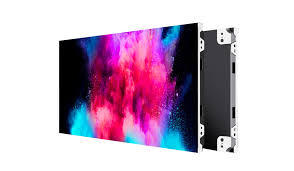
The primary technologies enabling transparent displays include Organic Light Emitting Diodes (OLED), Transparent Light Emitting Diodes (TLEDs), and advanced Liquid Crystal Displays (LCDs) with transparent electrodes. Among these, OLED transparent displays are favored due to their excellent contrast ratio, high color fidelity, and thin form factor, which is crucial for car integration under strict space constraints.
Technical Specifications and Performance Parameters
To optimize transparent displays for automotive use, several technical parameters must be rigorously controlled:
- Transparency Rate: Typically between 40% to 70%, depending on the application environment. Higher transparency (>60%) is preferred for head-up displays (HUD) on windshields to minimize driver distraction.
- Brightness: Automotive transparent displays require high brightness levels (exceeding 1000 cd/m²) to ensure legibility under direct sunlight. This is a challenging specification that distinguishes automotive-grade transparent displays from consumer electronics.
- Resolution: Full HD (1920x1080 pixels) or above is standard in modern systems to ensure clear text and graphics, especially for navigation and sensor data visualization.
- Refresh Rate: A minimum of 60 Hz is necessary to maintain smooth image updating, critical for dynamic driving information such as speed, collision warnings, or lane departure alerts.
- Durability and Environmental Resistance: Transparent displays integrated into vehicles must comply with automotive standards such as ISO 16750 (environmental conditions and testing for electrical and electronic equipment in road vehicles) and withstand temperature ranges from -40°C to +85°C, vibration, humidity, and UV exposure.
Applications in Modern Vehicles
Transparent displays in automobiles serve multiple innovative functions:
- Head-Up Displays (HUDs): Projecting critical driving data directly onto the windshield, HUDs leverage transparent OLED panels to overlay speed, navigation, and sensor alerts without obscuring the driver's view. For instance, BMW’s latest HUD system uses a 70% transparency OLED panel driving a 1400 x 600 resolution display at 1500 cd/m² brightness.
- Augmented Reality (AR) Windshields: By integrating transparent displays with cameras and GPS data, AR windshields can highlight navigation paths, identify hazards, and display traffic sign information onto real-world scenes in real-time. This use case requires ultra-low latency and precise optical alignment.
- Integrated Side Window Displays: Transparent display panels embedded into side windows serve as blind-spot indicators or external communication screens, dynamically altering display content based on sensor feedback.
- Instrument Clusters: Some car manufacturers are testing transparent LCD instrument clusters that keep the traditional mechanical gauges visible while overlaying digital enhancements in real time.
Manufacturing and Integration Challenges
Implementing transparent displays in cars involves overcoming several engineering challenges:
- Material Selection: Transparent conductive oxides like Indium Tin Oxide (ITO) are widely used but can be brittle; newer materials such as silver nanowires and graphene are under research to enhance flexibility and durability.
- Encapsulation: OLED transparent displays require robust encapsulation to prevent moisture and oxygen degradation, balancing thinness with ruggedness.
- Calibration and Optical Alignment: Seamless merging of displayed content with real-world images demands precision calibration. In AR systems, parallax correction and image distortion minimization are critical.
- Cost and Scalability: High production costs and yield challenges currently limit widespread adoption, but economies of scale and technological advances are driving prices down.
Industry Standards and Safety Considerations
Automotive transparent displays must adhere to global quality and safety standards:
- ECE R43 / FMVSS 205: These regulatory standards define requirements for safety glazing materials, ensuring that transparent displays do not compromise windshield integrity or driver visibility.
- Automotive SPICE & ISO 26262: For software and functional safety in control systems that interface with transparent displays, compliance with these standards is vital to ensure reliability and prevent failure modes that could endanger drivers.
- Human Factors and Ergonomics: Design must minimize driver distraction and cognitive load. According to studies published by SAE International, transparent displays improve driving response time only when strategically positioned and delivering concise information.
Case Studies and Industry Leaders
Leading automotive manufacturers and suppliers are actively investing in transparent display technologies:
- Hyundai MOBIS: Developed an AR HUD integrating transparent OLED display panels with centimeter-level GPS accuracy and sensor fusion, enhancing night driving safety.
- LG Display: Showcased a 12.3-inch transparent OLED cluster with 45% transparency, supporting customizable digital cockpits.
- Continental AG: Pioneered integration of transparent displays with sensor networks for contextualized content delivery, currently in pilot production.
The Future Outlook
The transparent display market in automotive is poised for significant growth. According to a report by MarketsandMarkets (2024), the transparent display automotive segment is expected to grow at a CAGR of over 20% between 2024 and 2030 due to increasing adoption of HUDs and AR systems.
Technological advancements focusing on flexible substrates, higher brightness OLEDs, microLED integration, and AI-enhanced content adaptability will further expand the functional scope and reliability of transparent displays in vehicles.
In conclusion, transparent displays represent a fusion of cutting-edge display technologies and automotive engineering, promising safer, more intuitive, and visually appealing driving experiences. Ongoing research and compliance with stringent automotive standards will be critical to achieving mainstream adoption and realizing the full potential of this innovative technology.













