

Outdoor 3D LED Display Technology: Advancements, Applications, and Technical Insights
In the rapidly evolving digital signage industry, outdoor 3D LED displays have emerged as a revolutionary technology, transforming visual communication and advertising landscapes worldwide. By combining high-resolution LED panels with sophisticated 3D imaging techniques, these displays captivate audiences with immersive, eye-catching content even under challenging outdoor conditions.
Technical Overview and Display Principles
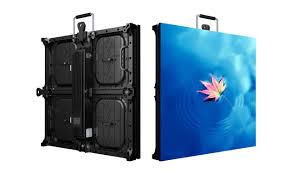
Outdoor 3D LED displays utilize a network of light-emitting diodes arranged in tightly packed matrices to render images with dynamic depth perception without requiring viewers to wear specialized glasses. This capability is primarily achieved through autostereoscopic technology, leveraging multiple viewing angles to create a realistic three-dimensional effect.
Key technical parameters that define the performance of outdoor 3D LED displays include:
- Pixel Pitch: Typically ranges from 2.5 mm to 10 mm for outdoor applications, balancing viewing distance with image clarity.
- Brightness: Outdoor LED screens demand luminance levels upwards of 5,000 to 7,000 nits to overcome sunlight and environmental reflections, ensuring visibility in direct sunlight.
- Refresh Rate: High refresh rates, usually above 3,000 Hz, are critical to prevent flickering and maintain seamless 3D content display.
- Contrast Ratio: A high contrast ratio is vital for rendering vivid 3D depth; values above 4,000:1 are common.
- Weatherproof Rating: Outdoor displays commonly comply with IP65 or better ingress protection standards to resist dust, moisture, and varying weather conditions.
- Viewing Angle: Wide horizontal and vertical viewing angles (≥140°) are essential to accommodate multiple simultaneous viewers outdoors.
Manufacturing Considerations and Materials
The fabrication of outdoor 3D LED displays necessitates precision engineering and robust materials to withstand environmental stresses. The LED modules incorporate high-quality SMD (Surface Mounted Diode) LEDs known for durability and color uniformity. Advanced PCB substrates and thermal management systems ensure heat dissipation, critical for longevity under intense sunlight exposure.
Enclosures are constructed from corrosion-resistant metals or anodized aluminum, paired with tempered glass or polycarbonate covers that balance transparency with impact resistance. Additionally, integration of anti-reflective coatings and ventilation systems enhances operational stability and image integrity.
Applications and Industry Use Cases
Outdoor 3D LED displays are widely deployed across sectors where engaging large audiences in dynamic environments is crucial. Notable use cases include:
- Advertising and Retail: Major brands leverage 3D displays in shopping plazas and stadiums to create memorable experiential marketing campaigns that drive consumer engagement.
- Public Spaces and Events: Municipalities and event organizers utilize these displays for real-time information, immersive art installations, and interactive experiences.
- Transportation Hubs: Airports and railway stations deploy 3D LED screens for directional signage and promotional content.
- Entertainment and Tourism: Theme parks and entertainment venues harness the technology for enhanced visitor attraction and themed visual storytelling.
A landmark deployment example is the Times Square “Quantum 3D” LED billboard, which integrates a multi-angle autostereoscopic system to project lifelike 3D visuals visible to crowds from various perspectives without eyewear, significantly boosting advertising impact.
Challenges and Future Prospects
Despite impressive advancements, outdoor 3D LED display technology faces challenges such as complexity of content creation, power consumption, and upfront capital costs. The delivery of true 3D imagery requires sophisticated software pipelines and content tailored to multiple viewing angles, often increasing production complexity.
Energy efficiency remains an industry focus; innovations in LED chip technology and intelligent power management are ongoing to reduce operating costs. Researchers are also exploring flexible and lightweight panels aimed at easier installation on curved architectural surfaces.
Looking forward, integration with AI-driven content personalization, higher resolution micro-LEDs, and enhanced augmented reality (AR) capabilities promise to elevate outdoor 3D LED displays into more interactive and adaptive urban digital canvases.
Standards and Quality Benchmarks
International standards such as the IEC 60529 define ingress protection levels, ensuring products meet environmental resilience standards critical for outdoor use. Additionally, adherence to IEC 62471 addresses photobiological safety concerning blue light exposure from LEDs.
Quality inspection follows rigorous protocols including pixel uniformity tests, brightness and chromaticity consistency, and environmental stress testing to verify durability over extended outdoor deployments.
Conclusion
Outdoor 3D LED display technology represents a convergence of high-precision LED manufacturing, optical engineering, and digital media innovations. With its ability to deliver visually striking, immersive content under demanding conditions, it’s reshaping urban communication and experiential marketing worldwide. Continued advancements in materials science, display electronics, and content technologies will further establish these displays as versatile, reliable, and impactful tools for the future of outdoor digital visualization.













