

Advances in LED LCD Screen Manufacturing: Technical Insights and Industry Best Practices
The LED LCD screen manufacturing industry has witnessed significant technological advancements over the past decade, reflecting a blend of cutting-edge innovation and meticulous engineering practices. As display technology continues to evolve, manufacturers and engineers are tasked with delivering products that meet increasing demands for higher resolution, improved color accuracy, greater energy efficiency, and longer lifespan. This comprehensive overview explores the critical technical parameters, manufacturing methodologies, and quality assurance techniques essential for producing state-of-the-art LED LCD screens, grounded in industry standards and proven case studies.
Key Technical Parameters and Standards
Central to the performance of LED LCD screens are several technical parameters that directly influence image quality, durability, and overall user experience. These parameters include:
- Resolution: The pixel density, often expressed in pixels per inch (PPI), is a fundamental metric. Modern LED LCDs leverage 4K Ultra HD (3840 x 2160 pixels) and beyond to ensure crystal-clear images suitable for professional and consumer-grade applications.
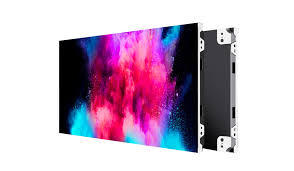
- Refresh Rate: Measured in Hertz (Hz), the refresh rate determines how many times per second the screen updates. Higher refresh rates, such as 120Hz or 144Hz, reduce motion blur and are critical for gaming and dynamic content displays.
- Contrast Ratio: The contrast ratio, for instance, 1000:1 or higher, defines the luminance difference between the brightest white and the darkest black the display can produce. This parameter is crucial for depth perception and color contrast fidelity.
- Color Gamut and Accuracy: Adhering to wide color gamuts such as DCI-P3 or Adobe RGB standards ensures vibrant and lifelike color reproduction. Accurate color calibration during manufacturing, often utilizing spectrophotometers and colorimeters, contributes to consistency across batches.
- Backlight Uniformity and Brightness: Uniform LED backlighting with luminance values ranging from 300 to 1000 nits supports visibility across various lighting conditions. Techniques such as local dimming optimize power consumption and contrast.
The International Electrotechnical Commission (IEC) standards, particularly the IEC 62471 for photobiological safety and IEC 60950 for electrical safety, form the backbone of compliance requirements in LED LCD production. Additionally, manufacturers increasingly incorporate guidelines from DisplayHDR standards defined by VESA to certify HDR performance, further enhancing image quality.
Manufacturing Processes and Quality Assurance
LED LCD manufacturing integrates complex processes, including substrate preparation, thin-film transistor (TFT) array fabrication, cell assembly, and backlight integration. Key stages include:
- Substrate Preparation: High-purity glass substrates undergo cleaning and coating processes. Surface treatments ensure optimal adhesion for subsequent layers.
- TFT Fabrication: This process employs photolithography to create the active matrix of transistors enabling precise pixel control. Amorphous silicon (a-Si) and low-temperature polysilicon (LTPS) are common semiconductor materials used, with LTPS offering superior electron mobility and power efficiency.
- Color Filter and Liquid Crystal Layer Formation: Color filters are applied using advanced dyeing or pigment technologies, while liquid crystals are precisely aligned through rubbing techniques to control light modulation effectively.
- Backlight Unit (BLU) Integration: The integration of edge-lit or direct-lit LED backlight units demands expertise in thermal management to prevent hotspots. Utilizing high-brightness and high-efficiency LEDs reduces energy consumption and heat generation.
- Module Assembly and Sealing: Automated assembly lines ensure layer alignment and lamination, employing UV-curable adhesives for robust sealing against environmental factors like moisture and dust.
Quality assurance includes rigorous in-line inspection systems using automated optical inspection (AOI), electroluminescence (EL) testing, and final functional tests. Measurements of luminance uniformity, color accuracy, response time, and viewing angles are integral before product release.
Industry Case Studies and Innovation Highlights
Leading manufacturers have demonstrated success through innovations such as quantum dot enhancement films (QDEF), which increase color saturation and efficiency. For example, Samsung’s QLED technology incorporates QDEF in their LCD panels, delivering superior brightness and extended color gamut, validated through independent lab testing by organizations like SGS.
Moreover, the adoption of mini-LED backlighting has revolutionized local dimming zones, enabling contrast ratios exceeding 100,000:1, approaching OLED performance levels while retaining LCD advantages in lifespan and cost-effectiveness. Companies such as TCL and LG Display have refined this technology to produce high-end televisions and monitors meeting stringent DisplayHDR 1000 certification.
Sustainability and Future Trends
Sustainability considerations have become paramount in LED LCD manufacturing. Industry leaders are investing in lead-free solder alternatives, employing recyclable substrates, and optimizing manufacturing yield rates to reduce waste. Energy efficiency improvements align with ENERGY STAR and EPEAT certification requirements, reflecting corporate social responsibility and regulatory compliance.
Looking forward, flexible and transparent LED LCD displays harness innovations in substrate materials and encapsulation techniques, opening avenues for next-generation applications including foldable devices, automotive heads-up displays (HUDs), and advanced wearable electronics.
Conclusion
Mastering the intricate balance of engineering precision, material science, and rigorous quality management underpins excellence in LED LCD screen manufacturing. By adhering to international standards, embracing new materials such as quantum dots and mini-LEDs, and embedding sustainability into manufacturing processes, the industry guarantees high-performance displays that cater to the evolving needs of consumers and professionals worldwide.
For manufacturers and engineers, continuous innovation alongside adherence to established technical parameters ensures that LED LCD technology remains at the forefront of the global display market.













