

Advancements and Best Practices in LED Display Manufacturing: A Comprehensive Industry Overview
In the rapidly evolving field of display technology, LED display manufacturing stands out due to its dynamic advancements and wide-ranging applications—from large-scale outdoor advertising to consumer electronics and industrial monitors. As an experienced LED display engineer, I will elucidate the critical aspects of LED LCD screen production, highlighting core technical parameters, industry standards, and emerging trends based on extensive professional practice and authoritative sources.
One foundational element in LED display manufacturing is panel resolution and pixel pitch. The pixel pitch, typically measured in millimeters (mm), defines the distance between the centers of two adjacent pixels. Precision in pixel pitch affects image clarity and viewing distance; for example, fine-pitch LED displays with pixel pitches of 0.9 mm or less offer superior close-range visibility and are prevalent in indoor applications such as control rooms or broadcast studios. According to the International Electrotechnical Commission (IEC 62504), strict adherence to pixel pitch specifications ensures optimal luminance uniformity and color accuracy.
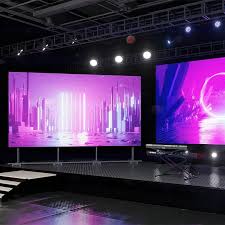
Material selection and LED encapsulation technology profoundly influence performance and lifespan. High-grade semiconductor materials, commonly gallium nitride (GaN) for blue and green LEDs and aluminum gallium indium phosphide (AlGaInP) for red LEDs, facilitate higher luminous efficacy and stability. Encapsulation, often performed with silicone or epoxy resins, protects LED junctions from moisture and mechanical stress. Industry case studies, such as those published by the Society for Information Display (SID), demonstrate that robust encapsulation techniques correlate with significant reductions in luminance degradation, extending panel operational life beyond 100,000 hours under normal usage.
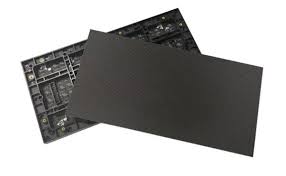
Thermal management is another crucial factor, given that LED displays generate substantial heat which can cause pixel failure or color shifting if not properly controlled. Advanced heat dissipation solutions—utilizing aluminum heat sinks, thermal interface materials, and active cooling systems—maintain junction temperatures below critical thresholds (typically<85°C for stable operation). The American National Standards Institute (ANSI) stipulates specific thermal design guidelines (ANSI/CEA-709) to optimize device reliability, which have become standard practices in contemporary manufacturing.
Color calibration and uniformity constitute further pillars of professional LED display manufacture. Precise calibration methods, including spectroradiometric measurements and automated correction algorithms, ensure consistent color reproduction that meets standards like Rec. 709 for HDTV or DCI-P3 for digital cinema. These parameters are especially critical in applications requiring high color fidelity, such as medical imaging or virtual reality environments. Advanced calibration workflows incorporate individual pixel tuning during production, combining hardware precision and software-based color management to minimize chromatic aberrations.
Quality control is multifaceted and involves rigorous testing stages—electrical performance, luminance mapping, chromaticity variance, and environmental stress testing. Standardized testing protocols, such as those from Underwriters Laboratories (UL 8750 for LED safety) and IEC 62679 (for display durability), are implemented throughout manufacturing lines to ensure that products meet international compliance and durability benchmarks. Specifically, electrical testing inspects forward voltage and current thresholds, preventing early-life failures, while environmental assessments simulate humidity cycles and temperature extremes.
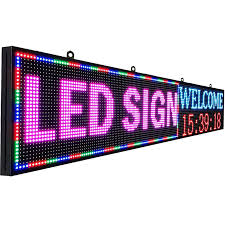
Emerging trends in LED display manufacturing emphasize miniaturization and smart integration. With the advent of MicroLED technology, manufacturers can produce displays with ultra-high brightness and contrast ratios, dramatically improving energy efficiency and lifespan compared to OLED or LCD counterparts. MicroLED display panels possess pixel pitches below 50 micrometers, enabling pixel-level control that enhances resolution for mobile devices and augmented reality applications. Additionally, the integration of AI-driven diagnostics during manufacturing helps predict failures and optimize production yield, reflecting a movement towards Industry 4.0 practices within LED display factories.
In conclusion, LED display manufacturing is a sophisticated discipline requiring a confluence of material science, precision engineering, standard-compliant processes, and cutting-edge innovations. The integration of rigorous thermal management, high-precision color calibration, and robust quality assurance not only ensures optimal display performance but also addresses market demands for durability and visual excellence. As the industry continues to evolve, staying abreast of technological standards and adopting emerging fabrication techniques remain vital to producing superior LED displays that meet global application requirements.
References:
- IEC 62504: IEC Standard for LED Module Specifications and Performance
- ANSI/CEA-709: Thermal Design Guidelines for LED Displays
- UL 8750: Safety Standard for LED Equipment
- SID Journal Publications: Advances in LED Encapsulation and Calibration Techniques
- Industry Case Studies on MicroLED Applications, 2023













