

Design and Manufacturing Excellence in LED Display Technology: Industry Insights and Technical Parameters
In the rapidly evolving field of display technologies, LED (Light Emitting Diode) displays have emerged as front-runners for applications ranging from consumer electronics to large-scale outdoor advertising. As a professional LED display engineer with extensive experience in the design, manufacturing, and optimization of LED LCD screens, it is essential to provide an in-depth, authoritative overview that covers critical technical parameters, industry standards, and best practices, enabling manufacturers and end-users to understand the underpinnings of high-quality LED displays.
Introduction
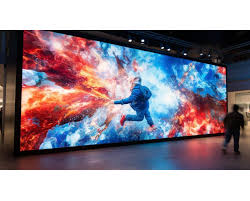
LED displays leverage advanced semiconductor technology to create vivid, energy-efficient visual outputs with superior brightness and contrast ratios. Unlike traditional LCDs, which rely on backlit panels, LED displays often employ self-emissive diodes or LED backlighting, offering distinct advantages in terms of color gamut, power consumption, and lifespan. The design and manufacture of LED displays require meticulous control over the component selection, circuit architecture, and assembly processes to meet stringent requirements for durability, performance, and regulatory compliance worldwide.
Core Technical Parameters and Design Considerations
1. Pixel Pitch and Resolution
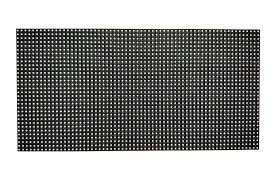
Pixel pitch, defined as the center-to-center distance between adjacent LEDs, directly influences display resolution and viewing distance. Typical pixel pitches range from 0.9mm for fine-pitch indoor displays to upwards of 10mm or more for outdoor signage. Smaller pixel pitches provide higher resolution but require more precise manufacturing and increase cost. For example, a pixel pitch of 1.2mm can support full HD (1920x1080) resolutions on moderate screen sizes, beneficial for close-range viewing environments like control rooms or broadcast studios (IEC 62368-1 compliant).
2. Color Accuracy and Calibration
High fidelity color reproduction demands precise calibration of red, green, and blue diodes, maintained rigorously during production. Color gamut coverage often follows standards such as BT.2020 or DCI-P3, with professional-grade LED displays achieving up to 95% or more of these color spaces. Engineers use spectrophotometers and colorimeters to ensure minimal delta E deviation (ideally under 2), guaranteeing color consistency across panels within a video wall.
3. Brightness and Contrast Ratio
Indoor LED displays typically range from 600 to 1,000 nits brightness, while outdoor models can exceed 5,000 nits to ensure visibility under direct sunlight. Contrast ratios depend on diode quality and display architecture; an effective contrast ratio of 5,000:1 or higher significantly enhances image depth and viewer engagement. The use of high-quality encapsulation materials and anti-reflective coatings is critical to maintaining brightness uniformity and mitigating environmental impact such as humidity or UV exposure.
4. Refresh Rate and Response Time
To prevent flickering and deliver smooth motion rendering, modern LED displays achieve refresh rates upwards of 3840 Hz, which conforms with broadcasting standards and minimizes eye strain. Response times under 10 microseconds ensure sharp rendering of dynamic content, essential for applications like sports broadcasting or interactive digital signage.
5. Thermal Management and Longevity
LED performance and lifespan are closely tied to effective heat dissipation strategies. Innovative passive heat sinks, coupled with advanced PCB design (e.g., high-Tg materials) and possibly active cooling for large outdoor installations, optimize thermal regulation. Lifetime expectancy often exceeds 100,000 hours under ideal conditions, with luminance degradation typically controlled within ±10% during this period per manufacturer specifications.
Manufacturing Best Practices and Industry Standards
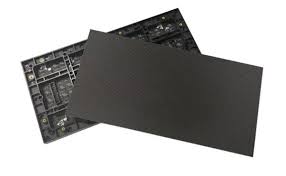
Manufacturing processes for LED displays incorporate Surface Mount Technology (SMT) for precise placement of diodes onto PCBs, automated optical inspection (AOI) to detect soldering defects, and stringent cleanroom conditions to prevent contamination and ensure longevity. Compliance with international standards such as IEC 62368-1 for safety, RoHS directives for hazardous substances, and ISO 9001 for quality management systems is imperative. Furthermore, manufacturers integrate rigorous burn-in testing—commonly 48 to 72 hours—to identify early failures.
Case Study: Transitioning to Fine-Pitch LED for Indoor Applications
A leading broadcast studio in Europe implemented a 0.9mm pixel pitch LED wall, replacing traditional LCD monitors. This upgrade improved brightness by 40% and reduced power consumption by 30%, delivering enhanced visual experience with superior color uniformity. The project underscored the importance of precise factory calibration and modular design for easy maintenance, facilitating rapid field repairs without prolonged downtime.
Conclusion
The intricate balance of material science, electrical engineering, and optical technologies defines the excellence of LED display manufacturing. Attention to pixel pitch, color accuracy, brightness levels, refresh rates, and robust thermal management shapes the durability and performance of LED displays. Following international standards and deploying rigorous testing protocols empowers manufacturers to produce reliable, high-quality products tailored to diverse environments worldwide. As LED technology continues to advance, ongoing innovation in chip design, packaging, and system integration will further enhance display capabilities, securing LED’s prominent role in the future of visual communication.













