

Advancements and Practical Insights in LED Display Technology for Modern Applications
The LED display industry has witnessed remarkable advancements over the past decade, evolving from basic digital signage to sophisticated, high-resolution display solutions utilized in numerous sectors globally. As a professional LED display engineer with extensive experience in LED and LCD screen manufacturing, I aim to provide an authoritative and insightful overview of LED display technology, focusing on practical applications, technological advantages, common challenges, and emerging trends that shape the future of this dynamic field.
Understanding LED Display Technology
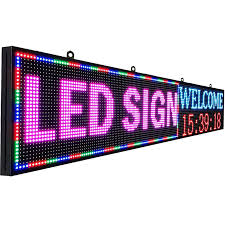
LED (Light Emitting Diode) displays operate by illuminating tiny semiconductor diodes to produce bright, energy-efficient visuals. Compared to traditional LCDs, LED displays offer higher brightness levels, superior contrast ratios, and wider viewing angles. LED panels are categorized typically into indoor and outdoor displays, defined by pixel pitch, brightness, and environmental resilience. Pixel pitch, measured in millimeters, indicates the distance between individual LEDs; smaller pitches (e.g., 1.5mm to 2.5mm) are ideal for close-range indoor viewing, whereas larger pitches (6mm and above) suit outdoor visibility requirements.
Practical Applications of LED Displays
LED displays have permeated multiple industries, representing versatile signage and information solutions:
1. Retail and Advertising: Indoor LED displays in retail environments increase engagement through vivid, dynamic content with exceptional color accuracy. Outdoor digital billboards, using high luminance LEDs (up to 7,000 nits), guarantee visibility even in direct sunlight.
2. Sports and Entertainment Venues: Large-scale LED video walls provide immersive experiences with ultra-high resolutions and refresh rates. SMD (Surface-Mounted Device) technology enhances image sharpness and reduces motion blur, critical in fast-paced environments.
3. Transportation Hubs: Airports and train stations utilize LED displays for real-time information, ensuring clear legibility despite varying lighting conditions.
4. Corporate and Control Rooms: High-density LED panels enable detailed data visualization, vital for mission-critical decision-making environments.
Advantages of LED Displays
LED technology offers significant benefits grounded in technical specifications and user experience:
- Energy Efficiency: Compared to traditional display technologies, LEDs consume up to 40% less power due to lower heat dissipation and superior luminance efficacy (typical 120-150 lm/W).
- Longevity and Reliability: Industry-standard LEDs maintain consistent brightness and color fidelity for 50,000 to 100,000 operational hours, supported by robust testing such as IEC 61215 for longevity and IP65/IP67 ratings ensuring dust and water resistance.
- Wide Color Gamut and High Contrast Ratios: Advanced LED displays achieve color gamuts exceeding 90% NTSC and contrast ratios above 5000:1, contributing to vivid and immersive imagery.
- Modular Design and Maintenance: Modular LED panels facilitate easy installation, maintenance, and future upgrades, reducing downtime and operational costs.
Common Challenges in LED Display Deployment
Despite these advantages, several challenges persist in field implementation:
- Calibration and Color Uniformity: LED modules require precise calibration to prevent color inconsistencies across multiple panels, addressed through software-based color management and hardware controllers.
- Heat Management: High luminance levels generate thermal energy that can degrade LEDs prematurely. Effective heat dissipation strategies, including passive heatsinks and active cooling systems, are vital.
- Ambient Light Interference: Outdoor LED displays must maintain visibility against diverse lighting conditions, demanding high brightness and adaptive brightness control sensors.
- Cost Factors: High pixel density indoor LED displays can be cost-prohibitive, although prices have steadily declined due to technological advances and economies of scale.
Latest Trends and Innovations
The LED display industry continually pushes boundaries, driven by emerging trends:
- Micro-LED Technology: Promising unparalleled resolution and energy efficiency, Micro-LEDs utilize microscopic LEDs to create displays with improved durability and infinite contrast ratios, suitable for both consumer electronics and large-scale commercial applications.
- Flexible and Transparent LED Displays: Advances in substrate materials enable flexible LED screens for curved surfaces and transparent LED panels that integrate seamlessly with glass architectures, expanding design possibilities.
- AI-Driven Content and Maintenance: Artificial intelligence optimizes content delivery tailored to audience demographics and monitors display health to predict failures, aligning with Industry 4.0 principles.
- Higher Refresh Rates and HDR Support: Modern LED displays support refresh rates exceeding 240Hz and High Dynamic Range (HDR) content, enhancing visual fluidity and color reproduction for high-end applications such as eSports and broadcasting.
Conclusion
The LED display industry is characterized by continuous innovation, improving display quality, energy efficiency, and application versatility. Understanding technical parameters like pixel pitch, luminance, contrast, and color gamut, coupled with addressing practical challenges such as thermal management and calibration, allows manufacturers and users to maximize LED display potentials. Adopting emerging technologies such as Micro-LEDs and AI integration promises to redefine visual experiences across all industries, offering brilliant, durable, and adaptive solutions for the future.
For LED display system integrators, staying updated with the latest IEC standards (IEC 62471 for photobiological safety and IEC 61347 for LED modules) ensures compliance and safety, reinforcing the commitment to quality and innovation in this ever-evolving sector.













