

LED LCD Screen Manufacturing: Technology, Applications, and Industry Trends
The evolution of display technology has brought about significant advancements in LED LCD screen manufacturing, leading to devices that offer superior image quality, energy efficiency, and versatile applications. As a professional LED display engineer with extensive experience in the industry, this article provides an authoritative overview of the technical aspects, practical uses, advantages, common challenges, and emergent trends in LED LCD screen manufacturing.
Fundamentals of LED LCD Screen Technology
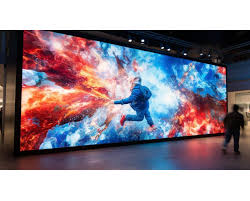
LED LCD screens integrate Light Emitting Diodes (LEDs) as the backlight source beneath Liquid Crystal Display (LCD) panels. This configuration differs from traditional Cold Cathode Fluorescent Lamp (CCFL) backlights by offering higher brightness, better color accuracy, thinner profiles, and longer lifespan. According to the IEEE Standard 1789-2015, LED backlights significantly reduce flicker, contributing to visual comfort and compliance with eye health standards.
Key technical parameters include:
- Brightness: Typically ranges from 250 to 1000 cd/m² for consumer devices, with professional displays exceeding 1500 cd/m² for high ambient light environments.
- Contrast Ratio: Modern LED LCDs achieve ratios above 1000:1, enabling deeper blacks and vivid imagery.
- Color Gamut: Utilizing LED backlighting, wide color gamut displays can reach up to 98% DCI-P3 or 100% Adobe RGB, important for professional content creation.
- Response Time: Optimized LCD panels with LED backlights can achieve response times under 5ms, reducing motion blur in gaming and video playback.
- Power Efficiency: LED backlighting consumes approximately 30-50% less power than CCFL, supporting energy-efficient design.
Practical Applications in Various Industries
1. Consumer Electronics: Televisions, computer monitors, tablets, and smartphones use LED LCD screens due to their compactness and image quality. Manufacturers utilize local dimming LED arrays to enhance contrast and HDR performance.
2. Commercial Displays: Digital signage, interactive kiosks, and advertising panels benefit from LED LCD technology for brightness and durability in diverse lighting conditions.
3. Medical Imaging: High-end LED LCD screens provide accurate color reproduction and high resolution for diagnostic imaging, compliant with DICOM Part 14 standards.
4. Automotive Displays: Instrument clusters and infotainment systems employ LED LCDs for reliability, visibility under sunlight, and low power consumption.
5. Industrial Control Panels: Rugged LED LCD screens are designed for vibration resistance and wide temperature tolerance, critical for manufacturing environments.
Advantages of LED LCD Screen Manufacturing
- Improved Picture Quality: The combination of LED backlighting with advanced LCD technology enhances brightness uniformity, color saturation, and viewing angles.
- Energy Efficiency and Longevity: LEDs offer significant power savings over traditional CCFL backlights, extending device life and decreasing maintenance costs.
- Design Flexibility: Thin form factors and edge-lit configurations enable ultra-slim devices and curved displays.
- Environmental Benefits: LEDs contain no mercury, reducing hazardous waste compared to CCFL backlights, aligning with RoHS (Restriction of Hazardous Substances) compliance.
- Manufacturing Scalability: Advances in LED chip miniaturization and uniformity facilitate mass production with consistent quality.
Common Problems and Solutions
Despite these advantages, several challenges persist in LED LCD manufacturing:
- Uniformity Issues: LED backlighting may cause uneven brightness or color shifts, especially in edge-lit designs. Manufacturers mitigate this using full-array local dimming and advanced diffuser films.
- Backlight Bleeding: Light leakage at panel edges can impact black levels; this is addressed via improved sealing and panel assembly techniques.
- Thermal Management: LEDs generate heat that can affect long-term reliability. Incorporating thermal conductive materials and efficient heat sinks is essential.
- Blue Light Emission: Excessive blue light can cause eye strain. Solutions include integrating blue light filters and optimizing LED spectra without compromising color accuracy.
- Manufacturing Cost: High-quality LED modules and precise assembly increase production costs, which are being reduced through innovative fabrication methods such as wafer-level packaging.
Latest Trends and Innovations
- Mini-LED and Micro-LED Backlighting: These technologies involve thousands of tiny LEDs, offering unparalleled local dimming precision, improved contrast, and HDR performance. For example, mini-LEDs can have over 1000 dimming zones, dramatically reducing blooming effects compared to traditional LEDs.
- Quantum Dot Enhancement: Incorporating quantum dot layers in LED LCDs boosts color gamut and luminance efficiency, facilitating displays with cinematic quality color reproduction (e.g., HDR10+ standard compliance).
- Flexible and Transparent Displays: Manufacturers are exploring bendable LED LCD panels and transparent screens for innovative applications such as augmented reality and retail displays.
- Environmental Sustainability: The push towards recyclable materials and lower energy consumption is driving R&D in bio-based plastics and improved LED efficiency, aligned with global carbon reduction initiatives.
- AI-Enhanced Display Calibration: Artificial intelligence algorithms aid in real-time color calibration, defect detection, and user-adaptive brightness control to optimize visual experience dynamically.
Conclusion
LED LCD screen manufacturing stands at the intersection of advanced materials science, precision engineering, and evolving user demands. Through continuous innovation in backlighting technology, panel engineering, and system integration, LED LCD displays deliver superior performance across a broad spectrum of applications. Industry standards such as IEC 62368-1 for safety and IEC 62679 for display quality provide frameworks ensuring product reliability. Staying abreast of emerging technologies like mini-LED and quantum dot enhancements will be critical for manufacturers and users seeking cutting-edge display solutions that balance quality, sustainability, and cost-effectiveness.
By understanding the practical implications, technical parameters, and challenges of LED LCD screen manufacturing, stakeholders can better make informed decisions in the design, procurement, and deployment of display technologies that meet the demands of a global market.













