

Advanced LED LCD Display Manufacturing: Techniques, Standards, and Industry Insights
The evolution of LED LCD display technology has reshaped the visual experience across diverse sectors, including consumer electronics, automotive, medical devices, and industrial applications. As a seasoned LED display engineer with extensive industry experience, I aim to deliver an authoritative examination of modern LED LCD manufacturing processes, emphasizing technical parameters, industry standards, and engineering best practices that define successful production.
Understanding LED LCD Displays: Core Principles and Components
LED LCD (Light Emitting Diode Liquid Crystal Display) technology integrates an LED backlight system with liquid crystal panels to produce vivid, energy-efficient screens. The fundamental principle relies on a matrix of liquid crystals modulating light emitted by LEDs behind the panel, controlled by thin-film transistors (TFTs). The synergy of these components offers high brightness, enhanced contrast ratios, and superior color accuracy, which are critical for applications demanding detail-rich visuals.
Technical Parameters Influencing Quality and Performance
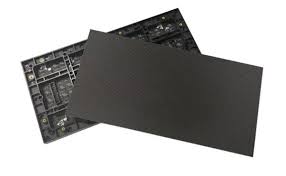
Several key technical parameters dictate LED LCD display quality:
- Resolution and Pixel Density: Higher pixel density (PPI) translates to finer images, with modern UHD displays offering upwards of 3840×2160 pixels. Precision in pixel pitch is crucial to avoid image graininess.
- Brightness and Contrast Ratio: Typical LED LCD modules offer brightness levels from 300 to over 1000 nits, while contrast ratios can range from 1000:1 to over 5000:1. These parameters influence readability under varied ambient lighting and impact color depth perception.
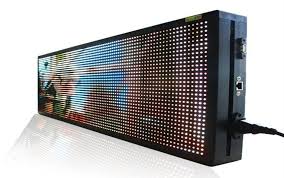
- Color Gamut and Accuracy: Successful manufacturing targets compliance with industry color spaces such as sRGB, AdobeRGB, and DCI-P3. Accurate color rendering depends on calibrated backlight spectra and liquid crystal modulation efficiency.
- Response Time and Refresh Rate: Displays engineered with refresh rates of 60Hz up to 240Hz cater to different user needs, minimizing motion blur and providing smoother image transitions essential for gaming and high-speed applications.
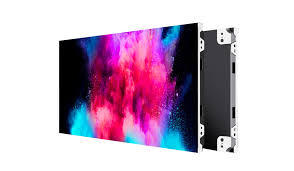
- Viewing Angle: Advanced optical films and panel design maintain color fidelity and brightness uniformity across 178-degree viewing angles, important for collaborative environments.
Manufacturing Process Overview: From Raw Materials to Final Assembly
1. Substrate Preparation: The process begins with substrate cleaning and inspection, usually of glass or flexible plastic (for OLED hybrid applications). Industry standards such as ASTM D3359 ensure surface quality for effective film deposition.
2. Thin-Film Transistor (TFT) Layer Fabrication: Using photolithography, TFT arrays are patterned on glass substrates. Innovations in low-temperature polysilicon techniques (LTPS) enhance electron mobility, improving pixel switching speed and energy efficiency.
3. Liquid Crystal Injection and Sealing: Precise injection avoids contaminant inclusion and cell gap variances, with typical cell gaps ranging between 3-6 microns, crucial for consistent optical performance. Sealant application ensures panel integrity and longevity.
4. Backlight Unit Integration: LED arrays, either edge-lit or direct-lit, are assembled, incorporating light guide plates and diffusers to guarantee uniform luminance. Manufacturers must comply with IEC 62471 photobiological safety standards to mitigate eye strain risks.
5. Polarizer and Optical Film Lamination: Polarizing filters and optical compensation films (e.g., retarder films) are laminated to optimize contrast and viewing angles, performed in cleanroom environments classified ISO 5 or better.
6. Driver Electronics and Module Assembly: Integration of driver ICs, flexible printed circuits (FPC), and control boards is handled with precise soldering and automated optical inspection (AOI) to identify manufacturing defects.
Quality Control and Testing Protocols
Comprehensive quality assurance protocols are tailored to industry standards such as IEC 62087 (methods to measure power consumption) and ISO 9241-307 for ergonomic display evaluation. Testing includes:
- Electrical Testing: Verifying voltage, current characteristics, and signal integrity to forestall failure during operation.
- Visual Inspection: Detecting pixel defects using Automated Visual Inspection (AVI) systems capable of identifying dead pixels, mura (uneven brightness), and color inconsistencies.
- Environmental Stress Testing: Accelerated life testing under thermal cycling, humidity, and mechanical vibration per JEDEC JESD22 standards establishes product reliability over time.
- Optical Performance Testing: Spectroradiometers and colorimeters measure luminance, contrast, and color gamut conformity. Ensuring adherence to Rec. 709 or DCI-P3 standards is essential for color-critical applications.
Emerging Manufacturing Trends and Innovations
The LED LCD industry is steadily adapting to the convergence with emerging technologies such as Mini-LED and Micro-LED backlighting, which enhance local dimming capability and power efficiency dramatically, enabling higher dynamic contrast ratios and reduced blooming effects. Adaptive refresh rate technologies and AI-driven quality control systems are becoming standard to meet increasing consumer expectations.
Case Study Insights: High-Performance Medical Displays
In medical visualization, displays must deliver unparalleled accuracy and reliability. A recent project integrating ultra-high resolution LED LCD panels with DICOM Part 14 calibration enabled precise grayscale rendering essential for diagnostic radiology. The manufacturing process incorporated rigorous electrostatic discharge (ESD) controls and triple redundancy testing to align with FDA guidance and ISO 13485 medical device requirements, demonstrating the critical nature of manufacturing discipline.
Conclusion
Manufacturing LED LCD displays demands meticulous attention to detail, mastery of advanced fabrication techniques, and adherence to stringent quality controls aligned with international standards. With continual innovation influencing optical performance and energy efficiency, LED LCD technology remains pivotal in delivering impactful visual experiences across sectors. Integrating comprehensive engineering expertise and established industry protocols ensures products consistently meet the demands of an increasingly sophisticated market landscape.
References:
- International Electrotechnical Commission (IEC) Standards: IEC 62471, IEC 62087
- JEDEC Solid State Technology Association: JESD22 Environmental Test Methods
- ISO Ergonomics of Human-System Interaction: ISO 9241-307
- FDA Guidance on Medical Device Quality Systems Regulation
- Society for Information Display (SID) Journal: Advances in LTPS and Mini-LED Technology













