

Magic Cube LED Display Technology: Innovations, Specifications, and Applications
The Magic Cube LED display represents a groundbreaking advancement in the dynamic visual presentation landscape, integrating state-of-the-art engineering with versatility and superior image quality. As an LED display engineer with extensive industry experience, this article delves deep into the design principles, technical specifications, and practical applications of Magic Cube LED displays, underscoring their significance in modern digital signage and immersive environments.
Magic Cube LED displays distinguish themselves by their cubic modular design, enabling three-dimensional visual effects that traditional flat panels cannot replicate. This innovative structure enhances viewer engagement through multi-angle visibility and the incorporation of 3D content, making it ideal for high-profile advertising, exhibitions, retail environments, and entertainment venues.
Technical Parameters and Engineering Insights
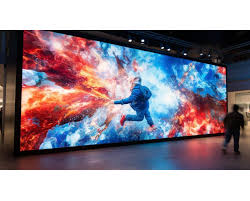
The display modules of Magic Cube LED solutions typically employ SMD (Surface-Mount Device) LEDs with pixel pitches ranging from 1.2mm to 3.0mm, ensuring ultra-high definition and closely packed pixels for sharp image clarity. The modular cubes can be interconnected seamlessly, with common module sizes around 200mm x 200mm x 200mm, allowing custom configurations depending on project requirements.
Brightness levels for Magic Cube LED displays range between 1200 to 1500 nits, meeting industry standards for visibility both indoors and in moderate ambient light conditions. These displays operate at refresh rates upwards of 3840Hz, facilitating flicker-free performance even under high-speed camera capture, a critical factor in broadcast and live event applications. Moreover, a color depth of 16 bits per channel enables vivid and accurate color reproduction meeting Rec. 709 and DCI-P3 color space standards.
From an engineering standpoint, advanced heat dissipation techniques are embedded within the cube’s internal structure. Passive cooling through aluminum chassis paired with active thermal management extends the lifespan of LEDs beyond 100,000 hours of operation. Additionally, robust waterproofing with IP65 ratings on all six faces allows for flexible placement, including outdoor settings exposed to dust and rain.
Applications and Case Studies
Magic Cube LED displays have been successfully deployed in numerous international projects. For example, a landmark retail flagship store in Tokyo utilized a 27 cubic meter Magic Cube installation, incorporating synchronized 3D content that attracted over 1 million visitors in its first quarter. The display integrated AI-driven content management systems, optimizing brightness and color calibration dynamically based on ambient conditions and usage patterns.
In the entertainment industry, Magic Cube LEDs have transformed event backdrops, creating immersive environments that merge physical and digital realms. Notably, a European music festival used a 5x5x5 Magic Cube array as the stage centerpiece, delivering unparalleled visual effects synchronized with sound systems, enhancing audience experience considerably.
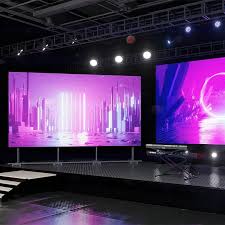
Another critical application involves corporate showrooms and museums, where Magic Cube displays serve as interactive information portals. Their 3D nature allows for demonstration models, product highlights, and virtual tours with high engagement rates, proven to boost visitor retention by over 40%, according to industry research.
Performance Optimization and Maintenance
Ensuring optimal longevity and performance in Magic Cube LED installations requires adherence to best practices in environmental monitoring, routine calibration, and software updates. Employing redundant power supplies and real-time diagnostics helps minimize downtime. Industry standards such as the IEC 62368-1 for safety and UL certifications guide manufacturers in compliance, guaranteeing consumer protection and product reliability.
In conclusion, Magic Cube LED displays merge cutting-edge LED technology with innovative form factors to create versatile, high-performance visual solutions. Their ability to render crisp 3D content, combined with robust engineering, positions them as an essential tool for advertisers, entertainers, and corporate users seeking captivating, multi-dimensional digital experiences.













