

Optimizing Taxi Digital Signage: Enhancing Passenger Engagement with Advanced LED Display Technologies
In the evolving landscape of urban transportation, taxi digital signage has emerged as a pivotal tool for enhancing passenger engagement, advertising, and real-time communication. Leveraging advanced LED display technologies tailored to taxis offers a dynamic approach to transform traditional taxi roof signs into interactive, informative digital platforms.
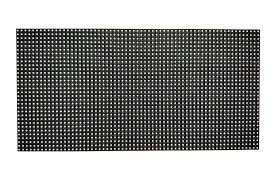
The core of effective taxi digital signage lies in the selection of high-performance LED modules designed to withstand outdoor environmental factors such as sunlight glare, vibration, and weather variability. Typically, LED displays for taxi roofs use SMD (Surface-Mounted Device) LEDs with pixel pitches ranging from 2.5mm to 4mm, balancing resolution and visibility over typical viewing distances of 5 to 15 meters.
Brightness and color accuracy are critical parameters for taxi digital signage due to the highly variable outdoor lighting conditions. According to industry standards such as those from the International Electrotechnical Commission (IEC 62717), the displays should achieve a minimum brightness of 4,000 nits to maintain legibility in direct sunlight. High contrast ratios and wide viewing angles exceeding 160° horizontally ensure that advertisements and informational content remain clear and vibrant from multiple perspectives.

Another essential feature is the durability and operational stability of the display modules. Taxi environments are subject to continuous vibration and shock; therefore, robust die-cast aluminum cabinets and protective tempered glass layers are standard design elements to ensure longevity and reduce maintenance costs. Waterproof ratings of IP65 or higher are often required, enabling performance in rain, dust, and urban pollution.
Integration with GPS and onboard systems allow taxi digital signage to deliver dynamic content tailored to location, time, and passenger demographics. Real-time updates such as route information, weather alerts, emergency messages, and targeted advertising boost passenger satisfaction and create novel revenue streams for taxi operators. For example, seamless remote content management systems (CMS) based on 4G/5G connectivity facilitate automated content scheduling, diagnostics, and performance monitoring from centralized control centers.
Energy efficiency is another consideration, especially since taxis operate on limited power budgets. Modern LED technologies incorporate low power consumption drivers and adaptive brightness control, adjusting luminosity based on ambient light, thereby reducing battery drain without compromising visibility. Additionally, the relatively lightweight design of current LED modules minimizes impacts on vehicle aerodynamics, helping to maintain fuel efficiency.

Global case studies demonstrate the effectiveness of taxi digital signage implementation. For instance, London's iconic black taxis have integrated high-brightness outdoor LED screens, offering live transit updates and multimedia advertising, reportedly increasing ad recall by 30%. Similarly, in Singapore, a fleet-wide adoption of taxi digital signage has enabled targeted local campaigns, enhancing ad revenue by over 25% annually.
From an engineering perspective, the success of taxi digital signage depends on compliance with local regulations, particularly regarding display size and luminance limits to avoid driver distraction and ensure road safety. Industry standard ISO 13406-2 addresses ergonomic and visual comfort requirements relevant to vehicular display devices, which manufacturers must consider when designing and installing LED systems.
In conclusion, the integration of advanced LED digital signage within taxi fleets represents a significant step toward smarter, more interactive urban transport services. By combining technical excellence in display brightness, durability, connectivity, and energy efficiency backed by stringent industry standards, taxi digital signage not only transforms the passenger experience but also opens new avenues for targeted advertising and fleet management innovation.













