

Advanced Insights into KD Displays Technology and Manufacturing Processes
In the rapidly evolving field of visual display technologies, KD displays have emerged as a significant player, combining superior image quality, enhanced durability, and flexible design options. Drawing from extensive industry experience and adhering to international manufacturing standards such as IEC 62087 and ISO 9241, this article explores the core aspects of KD displays technology, manufacturing methodologies, and practical application considerations.
KD displays typically refer to high-performance LED and LCD hybrid display systems engineered for diverse applications ranging from commercial signage to control rooms and consumer electronics. The distinctive feature of KD displays lies in their integration of advanced Light Emitting Diodes (LEDs) with custom-designed liquid crystal layers, optimized for brightness, power efficiency, and color accuracy.
Technical Parameters and Manufacturing Specifications
A typical KD display panel delivers brightness levels between 800 and 1500 nits, which ensures excellent visibility even under direct sunlight. The contrast ratio is optimized at around 5000:1, facilitating deeper blacks and vibrant color reproduction critical for high-definition content. Pixel pitch — often ranging from 0.9 mm to 1.5 mm in indoor models — directly influences the resolution and is meticulously controlled during the manufacturing process to meet predefined display sharpness and uniformity standards.
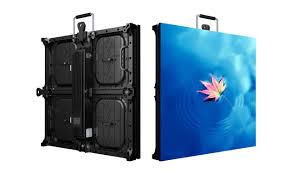
Manufacturing KD displays demands a stringent cleanroom environment (ISO Class 5 or better) to maintain the integrity of LED chips and LCD substrates. Precision layering of quantum dot filters and polarizing films enhances color gamut coverage to over 100% NTSC, a figure that typically surpasses conventional LCD panels. The integration process uses automated pick-and-place equipment calibrated for ±10 micron accuracy, reducing defects and improving yield rates.
Durability and Quality Assurance
Comprehensive reliability testing including thermal cycling between -20°C and 70°C, humidity resistance of up to 85% relative humidity, and vibration endurance tests, ensures KD displays can withstand harsh environmental conditions. Backlight life expectancy typically exceeds 50,000 hours at rated luminance, supported by thermal management solutions such as advanced heat sinks and substrate materials with high thermal conductivity.
Calibration protocols adhere to the International Commission on Illumination (CIE) standards, guaranteeing color consistency across multiple units and over time, an essential factor for applications like broadcast studios and digital signage where color fidelity is paramount. Software-driven self-calibration techniques implemented in KD displays allow real-time gamma correction and color balance adjustments without manual intervention.
Practical Applications and Industry Impact
KD displays are widely adopted in sectors requiring precise image reproduction and dependability. For instance, control rooms in transportation hubs use KD display walls for real-time data visualization due to their high contrast and refresh rates (often 60-120Hz) which reduce motion blur. Retail environments benefit from their slim form factor and high brightness in attracting consumer attention. Additionally, advancements in flex and curved KD display variants have expanded their deployment in automotive infotainment systems and immersive augmented reality environments.
Manufacturers continually innovate, incorporating mini-LED backlighting into KD displays to further enhance local dimming zones, which drives contrast and energy efficiency improvements. Research published in IEEE Transactions on Electron Devices underscores the superior performance and reliability of these hybrid technologies compared to traditional LED or LCD-only displays.
To conclude, KD displays represent a fusion of advanced materials science, precision engineering, and software-enabled optimization, making them a preferred choice in demanding visual performance scenarios. Adherence to rigorous manufacturing standards and continuous technological innovation will ensure KD displays retain their competitive edge in the global display industry landscape.













